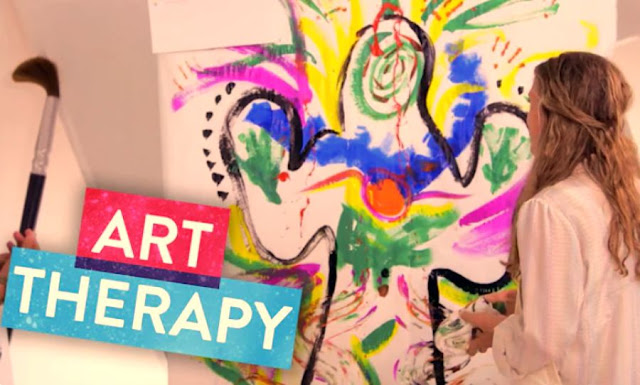
Recovery from addiction and mental health challenges is not only about stopping harmful behaviors. It is about learning how to understand emotions, regulate internal experiences, and rebuild a sense of identity and stability. Many individuals in recovery struggle to put complex emotions into words, especially when dealing with trauma, anxiety, depression, or shame. Creative drawing and painting offer a powerful alternative pathway. Through art, emotions can move from internal overwhelm into visible expression, creating space for healing and clarity. At Varley Grace, we integrate creative therapies into our holistic, faith-based, and individualized treatment programs to support lasting recovery and emotional wellness.
Understanding the Role of Art Therapy in Recovery
Art therapy is a therapeutic approach that uses creative expression such as drawing and painting to support emotional and psychological healing. It allows individuals to explore thoughts and feelings in a nonverbal, safe, and structured way.
For many people in addiction recovery and mental health treatment, verbal communication can feel limited. Some emotions are too complex, painful, or deeply rooted to be easily explained. Art therapy provides an alternative way to process these experiences without pressure or judgment.
Why Creative Expression Matters in Mental Health Treatment
Creative expression engages the brain in ways that support emotional awareness, regulation, and healing. It helps individuals slow down, reflect, and reconnect with their inner experiences.
Key benefits include:
- Supporting emotional release in a safe environment
- Reducing anxiety through mindfulness and focused attention
- Improving emotional awareness and self understanding
- Helping process trauma and difficult memories
- Strengthening confidence through creative accomplishment
These benefits make art therapy a valuable complement to traditional addiction and mental health treatment.
Moving From Emotion to Expression
One of the most important aspects of recovery is learning how to move from overwhelming emotion to healthy expression. When emotions remain unprocessed, they can contribute to stress, relapse risk, and emotional instability. Creative drawing and painting help bridge this gap.
Externalizing Internal Experiences
Art allows individuals to take what is inside and make it visible. Colors, shapes, and symbols become tools for expressing emotions that may be difficult to articulate. This externalization reduces emotional intensity and creates space for reflection.
Instead of being consumed by emotions, individuals can observe them from a safer distance. This shift is an important step in emotional healing.
Building Emotional Regulation Skills
Drawing and painting naturally encourage mindfulness. When individuals focus on creative tasks, their attention shifts away from distressing thoughts and toward the present moment.
This practice helps regulate the nervous system and supports healthier responses to stress. Over time, individuals develop stronger coping skills that support long term recovery and mental stability.
Integrating Creative Therapy into Holistic Care at Varley Grace
At Varley Grace, we provide compassionate and individualized care through both inpatient and outpatient programs. Our approach combines evidence based treatment with holistic and faith-based support to address the full spectrum of recovery needs.
Creative therapy is integrated into this model to enhance emotional healing and personal growth. It works alongside counseling, medical care, and group support to provide a more complete recovery experience.
Practical Ways Drawing and Painting Support Recovery
Art therapy is not limited to structured sessions. It can also be used as a daily tool for emotional wellness and relapse prevention.
Some practical applications include:
- Art journaling to process emotions and track recovery progress
- Guided drawing exercises focused on themes such as healing or resilience
- Group art sessions that promote connection and shared understanding
- Personal creative time used to manage stress and emotional triggers
These practices help reinforce coping strategies and support emotional balance outside of formal treatment sessions.
Rebuilding Identity Through Creative Expression
Addiction and mental health challenges often impact how individuals view themselves. Many people struggle with identity loss or negative self perception during and after active addiction.
Creative expression helps rebuild identity by encouraging exploration of strengths, emotions, and personal meaning. Each artwork becomes a reflection of growth and recovery progress. Over time, this supports a healthier and more positive sense of self.
Conclusion: A Pathway From Emotion to Healing
Moving from emotion to expression is a powerful step in recovery. Drawing and painting provide practical, accessible tools that help individuals process emotions, reduce stress, and strengthen mental health. Through creative expression, healing becomes something visible, tangible, and deeply personal.
At Varley Grace, we are committed to providing holistic, individualized care that supports every aspect of recovery. By combining clinical treatment, faith-based support, and creative therapies, we help individuals build lasting emotional resilience and stability. If you or someone you love is ready to take the next step, reach out today to learn how creative drawing and painting can support a healthier, more balanced path to recovery and mental wellness.