Creating a Brighter Tomorrow: The Healing Benefits of Drawing and Painting in Addiction and Mental Health Treatment

Recovery from addiction and mental health disorders is about more than overcoming symptoms. It is about creating a healthier future built on emotional resilience, self awareness, and hope. While medical care, counseling, and evidence based therapies are essential parts of treatment, many individuals also benefit from creative approaches that support healing in unique and meaningful ways. Drawing and painting therapy have become valuable components of comprehensive addiction recovery and mental health care because they encourage self expression, reduce emotional stress, and help individuals reconnect with their inner strengths. At Varley Grace, we believe that healing should address the whole person through compassionate, individualized, holistic, and faith-based care that supports lasting transformation.

Why Drawing and Painting Matter in Recovery

When people struggle with addiction or mental health challenges, they often experience emotions that feel overwhelming or difficult to express. Anxiety, depression, grief, trauma, guilt, and shame may all contribute to emotional distress and unhealthy coping behaviors.

Drawing and painting therapy provide a safe and supportive outlet for these emotions. Rather than relying only on conversation, individuals can communicate through colors, shapes, and creative imagery. This process encourages emotional release while promoting greater understanding of personal thoughts and experiences.

The focus is never on artistic talent. Instead, the goal is to use creativity as a pathway toward healing, growth, and emotional wellness.

The Healing Benefits of Art Therapy

Creative therapies complement traditional addiction treatment by helping individuals process emotions in healthy and constructive ways. They also encourage mindfulness, improve self awareness, and strengthen coping skills that support long term recovery.

Reducing Stress and Promoting Emotional Balance

Recovery can be emotionally demanding. As individuals begin addressing difficult experiences, they may encounter periods of anxiety, frustration, or uncertainty.

Drawing and painting naturally encourage relaxation by directing attention to the creative process. Concentrating on colors, textures, and brush movements helps quiet racing thoughts and brings the mind into the present moment. This calming effect can reduce stress while promoting emotional stability.

Creating Healthy Ways to Express Emotions

Many individuals entering treatment have spent years avoiding or suppressing painful emotions. Art therapy offers a safe opportunity to acknowledge those feelings without fear of judgment.

A simple sketch or painting can communicate emotions that may feel impossible to describe verbally. This visual expression often leads to greater emotional clarity and creates valuable opportunities for deeper therapeutic discussions.

Rebuilding Self Confidence

Addiction often affects how individuals view themselves. Feelings of failure or hopelessness can make it difficult to believe that lasting recovery is possible.

Completing a piece of artwork provides a sense of accomplishment and personal pride. Each creative success reinforces the belief that growth, change, and healing are achievable, even when the recovery journey feels challenging.

How Drawing and Painting Support Mental Health Treatment

Mental health recovery involves learning to understand emotions, manage stress, and respond to life’s challenges in healthier ways. Art therapy strengthens these goals by encouraging reflection and emotional awareness.

Processing Trauma With Compassion

Many people receiving addiction treatment have experienced trauma that continues to affect their emotional well being. Talking about painful memories is not always easy, especially during the early stages of recovery.

Creative expression allows individuals to explore these experiences gradually and safely. Guided by trained professionals, art therapy provides a supportive environment where healing can unfold at an individual pace.

Strengthening Emotional Awareness

Long term recovery depends on recognizing emotional triggers before they become overwhelming.

Drawing and painting encourage individuals to observe their thoughts and feelings while creating. This increased awareness helps them identify patterns, understand emotional responses, and develop healthier coping strategies that reduce the risk of relapse.

Art Therapy Within a Holistic Recovery Program

At Varley Grace, addiction recovery and mental health treatment are designed to support healing of the mind, body, and spirit. Our inpatient and outpatient programs combine evidence based therapies with holistic and faith-based approaches that recognize every person’s unique needs and experiences.

Drawing and painting therapy are integrated into this comprehensive model because creativity supports many aspects of recovery. When combined with counseling, group therapy, family support, relapse prevention planning, and spiritual care, art therapy helps clients develop practical tools for lifelong wellness.

Bringing Creative Healing Into Daily Life

The benefits of art therapy do not end after a treatment session. Many individuals continue using creative expression as part of their ongoing recovery by:

  • Keeping an art journal to process daily emotions
  • Painting during stressful situations to encourage relaxation
  • Creating artwork that reflects recovery goals and personal achievements
  • Participating in community art activities that promote healthy social connections
  • Setting aside regular creative time as part of a self care routine

These habits reinforce emotional wellness while supporting continued personal growth.

Creating a Future Filled With Hope

Recovery is about building a future that feels meaningful, balanced, and fulfilling. Every healthy decision contributes to that future, including the decision to explore new ways of healing.

Drawing and painting remind individuals that healing is not measured by perfection. Like every work of art, recovery develops one step at a time through patience, persistence, and self compassion. Every brushstroke represents movement toward a brighter tomorrow.

Conclusion

Creating a brighter tomorrow begins with embracing opportunities for healing that support the whole person. Drawing and painting therapy offer practical and meaningful ways to process emotions, reduce stress, strengthen confidence, and complement addiction recovery and mental health treatment.

At Varley Grace, we are committed to helping every client discover lasting hope through compassionate, individualized care. By combining evidence based treatment, holistic therapies, faith-based support, and creative approaches to healing, we empower individuals to build healthier lives and stronger futures. If you or someone you love is ready to begin a journey of recovery, contact Varley Grace today to learn how drawing and painting therapy can become an important part of a personalized path toward emotional wellness and lifelong healing.
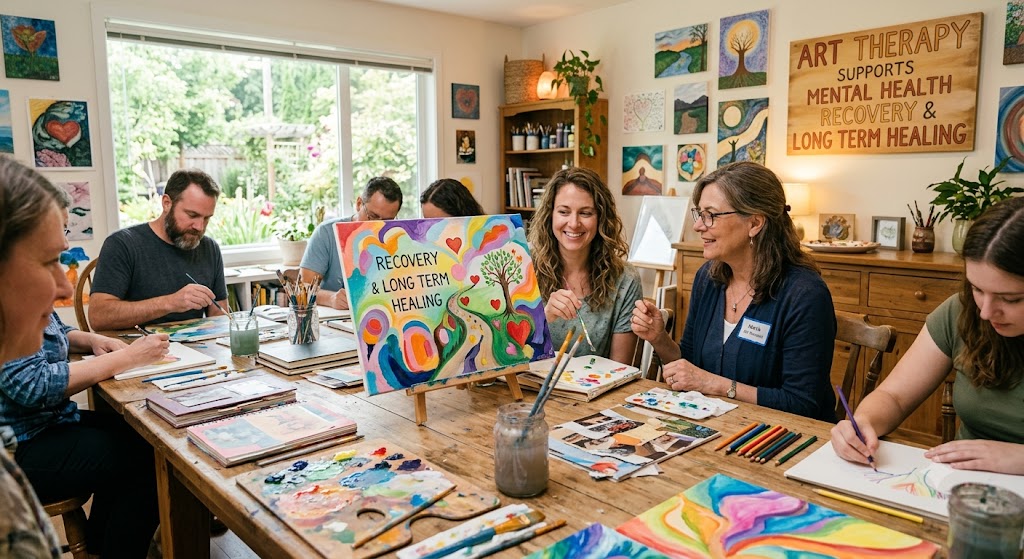
Finding Hope Through Creativity: How Drawing and Painting Therapy Supports Addiction Recovery and Mental Health

Recovery from addiction and mental health disorders is a journey of healing that reaches far beyond overcoming substance use or managing symptoms. It is about rebuilding confidence, restoring emotional balance, and rediscovering hope for the future. While evidence based therapies, medical care, and counseling form the foundation of successful treatment, creative therapies such as drawing and painting offer another meaningful avenue for healing. Through artistic expression, individuals can explore difficult emotions, strengthen coping skills, and reconnect with themselves in ways that words alone often cannot achieve. At Varley Grace, we embrace a holistic, faith-based, and individualized approach to care that recognizes the value of creative therapies in supporting long term recovery and emotional wellness.

Why Creativity Plays an Important Role in Recovery

Addiction and mental health challenges often leave people feeling disconnected from their emotions, relationships, and sense of purpose. Recovery involves rebuilding these connections while learning healthier ways to respond to life’s challenges.

Drawing and painting therapy provide a safe, structured environment where individuals can express thoughts and emotions without fear of criticism. The creative process encourages reflection, reduces emotional tension, and helps individuals gain a deeper understanding of themselves.

Rather than focusing on artistic ability, the emphasis is placed on personal growth and emotional healing.

Creative Expression Helps Where Words May Not

Many people entering treatment carry emotional pain that is difficult to describe. Trauma, anxiety, depression, grief, guilt, and shame can all contribute to addiction and mental health struggles.

Drawing and painting create another form of communication. Through colors, shapes, and imagery, individuals can express experiences that may feel impossible to explain verbally. This often leads to valuable insights that strengthen counseling sessions and support emotional recovery.

How Drawing and Painting Therapy Supports Addiction Recovery

Art therapy is much more than a recreational activity. When incorporated into a comprehensive treatment program, it becomes a practical therapeutic tool that complements clinical care.

Reducing Stress and Emotional Overload

Recovery often brings emotional highs and lows as individuals begin processing difficult experiences. Creative activities naturally encourage mindfulness by shifting attention toward the present moment.

Painting a landscape, sketching abstract designs, or simply experimenting with color can calm the nervous system and reduce feelings of anxiety or emotional overwhelm. This helps individuals develop healthier ways to manage stress without relying on substances.

Building Healthy Coping Skills

One of the primary goals of addiction treatment is replacing destructive habits with positive coping strategies.

Drawing and painting provide an accessible outlet during moments of stress, sadness, or frustration. Instead of turning to alcohol or drugs, individuals can channel their emotions into creative expression, reinforcing healthier patterns of behavior that support long term sobriety.

Strengthening Self Confidence

Addiction frequently damages self esteem. Many individuals begin treatment believing they have little to offer or that meaningful change is beyond their reach.

Creating artwork provides opportunities for accomplishment. Every finished drawing or painting becomes tangible evidence of progress, creativity, and resilience. Over time, these successes contribute to renewed confidence and hope.

Supporting Mental Health Through Artistic Expression

Mental health recovery involves understanding emotions, recognizing unhealthy thought patterns, and developing practical strategies for emotional regulation. Art therapy complements these goals by creating opportunities for self exploration and healing.

Processing Trauma Safely

Many people living with addiction also have unresolved trauma. Discussing painful memories can feel overwhelming, especially during the early stages of treatment.

Drawing and painting allow individuals to process experiences gradually through visual expression. Under the guidance of trained professionals, artwork can become a starting point for meaningful therapeutic conversations while allowing clients to move at a pace that feels safe.

Encouraging Emotional Awareness

Emotional awareness is essential for lasting recovery. Individuals who understand their feelings are better equipped to respond in healthy ways rather than reacting impulsively.

Art therapy encourages reflection throughout the creative process. Clients often recognize emotional patterns, triggers, and personal strengths that become valuable tools for continued growth.

How Varley Grace Integrates Creative Therapies Into Holistic Care

At Varley Grace, we believe recovery should address every aspect of a person’s well being. Our inpatient and outpatient programs combine evidence based addiction treatment, mental health services, holistic therapies, and faith-based support to create personalized treatment plans.

Creative therapies such as drawing and painting enhance this comprehensive approach by encouraging emotional expression, personal reflection, and spiritual renewal. Combined with counseling, group therapy, family support, and individualized care, art therapy helps clients develop the resilience needed for lasting recovery.

Bringing Creativity Into Everyday Recovery

Many individuals continue using creative expression after completing formal treatment. Healthy habits may include:

  • Keeping a recovery sketchbook or art journal
  • Painting during stressful moments to encourage relaxation
  • Creating artwork that represents personal goals and achievements
  • Participating in community art groups for connection and encouragement
  • Using creative projects as part of a daily self care routine

These simple practices help maintain emotional balance while reinforcing the healthy habits developed during treatment.

Recovery Is About Creating a New Future

Recovery is not about returning to the person you were before addiction or mental health challenges. It is about becoming a healthier, stronger version of yourself with new tools, greater resilience, and renewed purpose.

Creative expression reflects this transformation beautifully. Every blank page represents possibility. Every brushstroke symbolizes progress. Every completed piece of artwork reminds individuals that healing happens one step at a time.

Conclusion

Finding hope through creativity is about discovering new ways to heal emotionally while building a foundation for lifelong recovery. Drawing and painting therapy provide meaningful opportunities to process emotions, reduce stress, strengthen confidence, and support both addiction recovery and mental health treatment.

At Varley Grace, we are committed to providing compassionate, individualized care that treats the whole person. Through evidence based therapies, holistic practices, faith-based support, and creative approaches to healing, we help individuals build healthier, more fulfilling lives. If you or someone you love is ready to begin the journey toward lasting recovery, contact Varley Grace today to learn how drawing and painting therapy can become part of a personalized path to hope, healing, and lasting wellness.

From Struggle to Expression: How Art Therapy Supports Mental Health Recovery and Long Term Healing

Recovery from addiction and mental health disorders is a journey of transformation. It is not simply about overcoming symptoms or avoiding relapse. True healing involves understanding emotions, rebuilding self confidence, strengthening relationships, and discovering healthier ways to navigate life’s challenges. While evidence based therapies and medical care provide the foundation for recovery, creative therapies such as drawing and painting offer an additional path toward emotional healing. At Varley Grace, we believe recovery is most successful when it addresses the whole person through individualized, holistic, and faith-based care. Art therapy is one of the many tools that helps clients move from emotional struggle to lasting healing.

What Is Art Therapy?

Art therapy is a clinical and therapeutic approach that uses creative activities such as drawing, painting, sketching, and other forms of visual expression to improve emotional and psychological well being. The goal is not to create perfect artwork. Instead, the creative process becomes a safe way to explore emotions, process experiences, and gain personal insight.

For many people recovering from addiction or living with anxiety, depression, trauma, or other mental health disorders, expressing emotions verbally can feel overwhelming. Art provides another language, allowing individuals to communicate feelings that may otherwise remain hidden.

Why Creative Expression Supports Recovery

Creative expression activates areas of the brain associated with emotional regulation, problem solving, and self reflection. It encourages individuals to slow down, become present, and focus on the process rather than the pressure of finding the right words.

Some of the most meaningful benefits include:

  • Creating a healthy outlet for difficult emotions
  • Reducing stress and promoting relaxation
  • Improving emotional awareness and self understanding
  • Supporting healthier responses to triggers and challenges
  • Encouraging hope, confidence, and personal growth

These benefits make art therapy an effective complement to comprehensive addiction and mental health treatment.

Moving From Emotional Struggle to Healing

Many individuals entering treatment carry emotional burdens that have developed over months or years. Trauma, grief, shame, and fear often contribute to substance use and emotional distress. Recovery involves learning how to process these experiences instead of avoiding them.

Expressing What Feels Impossible to Say

Not every emotion can be explained through conversation. Some experiences are too painful or confusing to describe.

Drawing and painting allow individuals to communicate visually through color, shape, texture, and symbolism. This form of expression often reveals thoughts and feelings that become valuable starting points for deeper therapeutic conversations.

As emotions become easier to understand, they also become easier to manage.

Building Healthier Coping Skills

One of the greatest challenges in recovery is replacing unhealthy coping mechanisms with positive alternatives. Art therapy provides a constructive way to respond to stress, anxiety, sadness, or frustration.

Instead of turning to substances or harmful behaviors, individuals can use creative activities to calm the mind, regain focus, and process difficult emotions. This strengthens emotional resilience and supports long term recovery.

How Art Therapy Complements Comprehensive Treatment

At Varley Grace, addiction recovery and mental health care are built around personalized treatment plans that recognize every individual’s unique experiences and goals. Our inpatient and outpatient programs combine evidence based clinical therapies with holistic and faith-based approaches that promote healing of the mind, body, and spirit.

Art therapy fits naturally within this model because it enhances many aspects of traditional treatment.

Supporting Individual Counseling

Artwork often reveals emotions that may not emerge during regular counseling sessions. Therapists can use these creative expressions to better understand each client’s experiences and guide meaningful discussions.

Strengthening Group Therapy

Creative group activities encourage connection, empathy, and shared healing experiences. Participants often realize they are not alone in their struggles, which helps reduce feelings of isolation.

Encouraging Spiritual Reflection

For individuals who value faith as part of recovery, creative expression can also become an opportunity for spiritual reflection. Drawing and painting may help clients explore hope, gratitude, forgiveness, and personal purpose while strengthening their relationship with God.

Practical Ways to Continue Art Therapy Outside Treatment

Healing continues long after formal treatment ends. Fortunately, drawing and painting are activities that individuals can easily incorporate into everyday life.

Some practical ideas include:

Keep a Recovery Art Journal

Use sketches, colors, and paintings to reflect on emotions, celebrate milestones, and document personal growth.

Create During Stressful Moments

Instead of reacting impulsively to stress, spend time drawing or painting to restore emotional balance and reduce anxiety.

Paint Personal Goals

Creating visual reminders of future goals can reinforce motivation and provide encouragement during difficult days.

Join Community Art Programs

Participating in local art groups or creative workshops can build healthy social connections while encouraging continued self expression.

Why Holistic Healing Leads to Lasting Recovery

Long term recovery depends on more than eliminating addictive behaviors. Sustainable healing requires emotional wellness, physical health, supportive relationships, spiritual growth, and practical coping skills.

At Varley Grace, our holistic philosophy recognizes that every aspect of a person’s well being deserves attention. Art therapy strengthens this comprehensive approach by providing meaningful opportunities for self discovery, emotional healing, and renewed confidence.

Creative expression reminds individuals that healing is not about perfection. It is about progress, resilience, and embracing each new opportunity for growth.

Conclusion

Recovery is a journey that moves people from struggle toward strength, hope, and renewed purpose. Drawing and painting therapy provide a safe and meaningful way to process emotions, reduce stress, build confidence, and support long term mental health recovery.

At Varley Grace, we are dedicated to helping every client experience lasting transformation through compassionate, individualized care. By combining evidence based addiction treatment, mental health services, holistic therapies, and faith-based support, we create personalized recovery plans that address the whole person. If you or someone you love is ready to begin a healthier future, contact Varley Grace today to learn how art therapy and comprehensive treatment can help transform emotional struggles into lasting healing and hope.