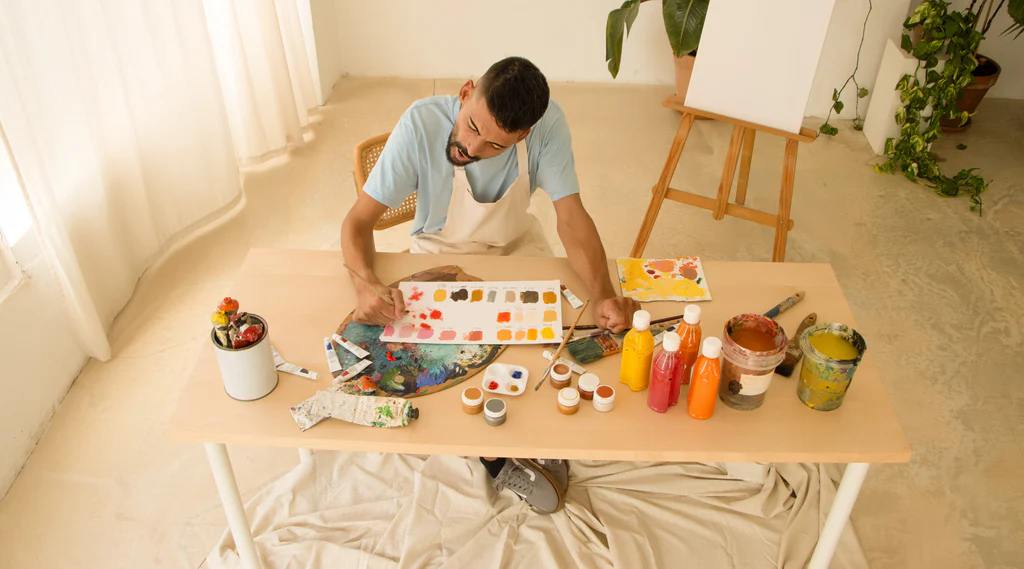
Brushstrokes of Healing: How Drawing and Painting Aid Addiction Recovery

Recovery from addiction is a journey that goes far beyond stopping substance use. It requires emotional exploration, rebuilding self-worth, and developing healthier ways to cope with stress and triggers. While counseling, medical care, and structured treatment programs are essential, creative therapies such as drawing and painting provide a powerful path toward emotional healing. Art therapy offers individuals a safe and constructive way to process feelings, reduce anxiety, and reconnect with themselves. At Varley Grace, we integrate art-based therapies into our holistic, faith-based, and individualized programs to support long-term recovery and mental wellness.

Understanding Art Therapy in Addiction Recovery

Art therapy is a therapeutic approach that uses creative expression to support emotional, psychological, and spiritual healing. Many people in recovery struggle to articulate feelings such as guilt, shame, or grief. Drawing and painting provide a nonverbal outlet for these emotions, making it easier to explore and process them in a safe, structured environment.

How Drawing and Painting Support Mental Wellness

Engaging in creative activities offers multiple benefits for individuals navigating addiction and mental health challenges:

  • Emotional expression: Art allows clients to release emotions that may be difficult to express verbally.
  • Stress relief and mindfulness: Focusing on colors, shapes, and brushstrokes encourages present-moment awareness, which reduces anxiety.
  • Self-reflection: Artistic creation often reveals subconscious patterns, triggers, and personal growth areas.
  • Confidence and accomplishment: Completing a piece of art fosters a sense of achievement and reinforces self-esteem.

These benefits help clients build emotional resilience and strengthen their coping strategies, complementing traditional therapies.

Integrating Art Therapy into Holistic and Individualized Care

Varley Grace offers both inpatient and outpatient programs tailored to each client’s unique needs. Art therapy is integrated into these programs alongside mental health counseling, medical support, and faith-based practices. This combination ensures that creative expression enhances overall recovery by helping individuals process emotions, reflect on experiences, and build healthier habits.

Practical Ways to Use Art in Recovery

Art therapy can be implemented during structured sessions or incorporated into daily life. Some practical approaches include:

  • Art journaling: Use drawing or painting to document emotions, milestones, and reflections.
  • Guided exercises: Focus on themes like resilience, hope, or gratitude to reinforce positive mental health patterns.
  • Group art therapy: Participate in collaborative creative sessions to build connection, reduce isolation, and share experiences safely.
  • Mindful creative practices: Use simple drawing or painting exercises to calm the mind and manage stress during challenging moments.

Regular engagement with art supports emotional stability, self-discovery, and long-term recovery.

Rebuilding Identity Through Creative Expression

Addiction often erodes a person’s sense of self. Many individuals in recovery struggle to reconnect with their identity beyond substance use. Art therapy helps restore this connection by highlighting personal strengths, talents, and growth. Each completed artwork becomes a tangible reminder of progress, resilience, and the ability to create positive change.

Take the First Step Toward Healing Through Art

Drawing and painting are more than hobbies; they are effective therapeutic tools that support emotional healing, mental wellness, and lasting sobriety. At Varley Grace, we combine art therapy with individualized, holistic treatment to empower clients on their recovery journey. Creative expression helps process emotions, reduce stress, and rebuild self-identity, offering a meaningful complement to traditional therapies. Reach out today to discover how art therapy can become a vital part of your healing journey and help you take the first step toward lasting recovery.

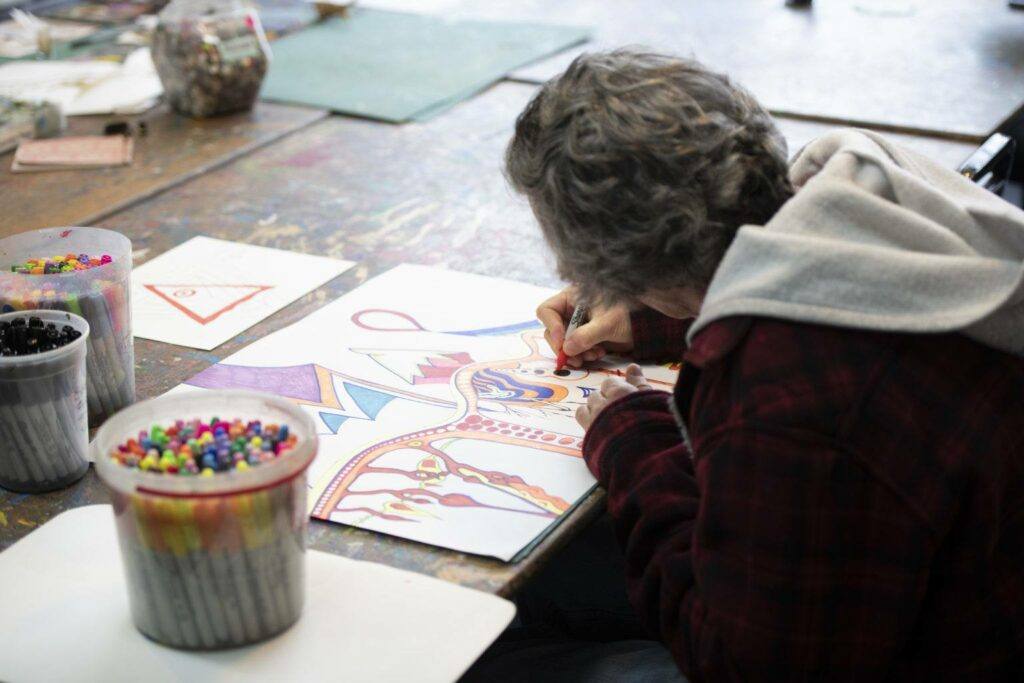
Finding Yourself Through Art: Drawing and Painting Therapy for Emotional Healing and Sobriety

Recovery from addiction is more than stopping substance use. It is a journey of rediscovering self-worth, processing complex emotions, and rebuilding a life rooted in purpose. While traditional therapy and medical support provide essential guidance, creative expression through drawing and painting offers an additional, powerful path toward healing. Art therapy provides a safe and constructive way to explore emotions, reduce stress, and strengthen resilience. At Varley Grace, we integrate art-based therapies into holistic, faith-based, and individualized programs to support mental wellness and long-term sobriety.

Understanding Art Therapy in Recovery

Art therapy is a therapeutic approach that uses creative processes to foster emotional, psychological, and spiritual healing. For many individuals in recovery, expressing feelings verbally can feel overwhelming. Drawing and painting allow emotions to be externalized in a nonjudgmental way, helping clients process past trauma, reduce anxiety, and build healthier coping strategies.

Why Creative Expression Matters

Engaging in art provides a way to reconnect with emotions, build self-awareness, and reinforce personal growth. Some key benefits of drawing and painting therapy include:

  • Emotional release: Safely express difficult feelings such as grief, guilt, or frustration.
  • Stress reduction: The focus required during art creation encourages mindfulness, lowering anxiety and tension.
  • Insight and self-reflection: Artistic expression can uncover subconscious patterns, triggers, and areas for personal development.
  • Confidence and accomplishment: Completing a creative project reinforces self-esteem and fosters a sense of achievement.

These benefits are essential for individuals navigating both addiction recovery and mental health challenges.

Integrating Art Therapy Into Holistic Care

At Varley Grace, we offer both inpatient and outpatient programs that are tailored to each client’s needs. Art therapy complements evidence-based addiction treatment, mental health counseling, and holistic support. By integrating creative expression into personalized care plans, clients are better equipped to explore emotions, process experiences, and build resilience in a safe and structured environment.

Practical Ways to Use Art in Recovery

Art therapy can be applied during structured sessions or incorporated into daily routines. Some practical approaches include:

  • Art journaling: Dedicate time to sketch, paint, or reflect on emotions and experiences.
  • Themed creative exercises: Focus on gratitude, personal growth, or coping strategies to reinforce positive mental health habits.
  • Group art sessions: Engage in guided activities to share experiences, foster community, and reduce isolation.
  • Mindful creative practices: Use drawing or painting to calm the mind during moments of stress or craving.

These practices help clients maintain emotional balance and strengthen coping skills outside of formal therapy sessions.

Rebuilding Identity Through Creativity

Addiction often erodes a person’s sense of self. Many individuals in recovery struggle to reconnect with their identity beyond substance use. Drawing and painting therapy help rebuild that connection by highlighting strengths, talents, and personal growth. The creative process empowers clients to see themselves as capable, resilient, and worthy of a fulfilling life.

Begin Your Journey of Emotional Healing

Drawing and painting are more than hobbies; they are therapeutic tools that support emotional healing, mental wellness, and lasting sobriety. By integrating art therapy with comprehensive treatment, individuals gain practical strategies to manage emotions, reduce stress, and rediscover their sense of self. At Varley Grace, we provide compassionate, individualized care that addresses the physical, emotional, and spiritual dimensions of recovery. Reach out today to learn how creative expression can become a vital part of your healing journey and help you find yourself through art.

Art as a Recovery Tool: How Creative Expression Enhances Mental Health and Addiction Treatment

Recovery from addiction and mental health challenges is a complex journey that involves more than therapy sessions and medical support. Healing requires emotional exploration, stress management, and a safe way to process difficult experiences. Creative expression through art, particularly drawing and painting, has emerged as a valuable tool in supporting mental wellness and addiction treatment. At Varley Grace, we integrate art therapy into individualized, holistic, and faith-based programs to help clients rebuild emotional balance, resilience, and self-worth.

Understanding Art Therapy in Recovery

Art therapy is a therapeutic approach that uses creative processes to support emotional, psychological, and spiritual healing. Unlike traditional talk therapy, art therapy allows individuals to communicate thoughts and emotions nonverbally. This can be especially beneficial for people who struggle to articulate feelings related to trauma, guilt, or anxiety. Drawing and painting provide a safe outlet for self-expression and a constructive way to process complex emotions.

How Art Supports Emotional Health

Engaging in creative activities helps restore emotional balance and strengthens coping skills. Some key benefits include:

  • Emotional expression: Art allows individuals to safely release feelings that may be difficult to voice.
  • Mindfulness and stress relief: Focusing on creative tasks encourages present-moment awareness, which reduces anxiety and promotes calm.
  • Self-reflection and insight: Artistic expression often reveals patterns, triggers, and personal growth areas that support recovery goals.
  • Confidence building: Completing a piece of art fosters a sense of accomplishment, reinforcing self-esteem and self-efficacy.

These benefits make art therapy a powerful complement to traditional treatment methods for mental health and addiction recovery.

Integrating Art Therapy into Holistic and Individualized Care

Varley Grace provides both inpatient and outpatient programs tailored to each individual’s needs. Art therapy is seamlessly incorporated alongside mental health counseling, medical care, and faith-based support. This integration ensures that creative expression enhances overall treatment by fostering emotional resilience, self-awareness, and coping strategies.

Practical Ways to Incorporate Art in Recovery

Art therapy can be practiced in structured sessions or integrated into daily routines. Some effective strategies include:

  • Art journaling: Use sketches, paintings, or mixed media to reflect on emotions, experiences, and personal growth.
  • Themed exercises: Focus on recovery milestones, gratitude, or resilience to reinforce positive mental health patterns.
  • Group art sessions: Participate in guided creative activities to foster connection, reduce isolation, and share experiences safely.
  • Mindful creative practices: Engage in simple drawing or painting exercises to manage stress or calm the mind during challenging moments.

These approaches help clients continue the therapeutic benefits of art outside formal sessions and maintain emotional balance between treatments.

Supporting Long-Term Recovery and Mental Wellness

Art therapy is more than a temporary activity. Regular creative engagement supports long-term emotional regulation, strengthens resilience against triggers, and promotes self-discovery. When combined with Varley Grace’s comprehensive programs, art therapy contributes to sustainable recovery and improved mental health outcomes. Clients gain practical tools to navigate stress, reinforce personal growth, and maintain a sense of identity beyond addiction.

Take the First Step Toward Healing Through Art

Creative expression offers a compassionate and effective way to support mental health and addiction recovery. Drawing and painting provide outlets for emotional release, mindfulness, and self-reflection, enhancing the benefits of traditional therapy. At Varley Grace, we are committed to individualized, holistic care that empowers clients to rebuild their lives. Reach out today to learn how art therapy can become a valuable part of your recovery journey and help you achieve lasting emotional wellness and sobriety.

From Brush to Balance: Exploring the Benefits of Drawing and Painting in Recovery

Addiction recovery is not only about breaking free from substances. It is about restoring emotional stability, rebuilding self trust, and learning healthier ways to respond to stress and pain. While clinical therapy and structured treatment programs are essential, creative expression through drawing and painting offers an additional pathway to healing. Art therapy provides individuals with a safe and meaningful way to process emotions, strengthen mental wellness, and rediscover a sense of balance. At Varley Grace, we incorporate creative therapies into individualized treatment plans that support the whole person through addiction recovery and mental health care.

The Role of Art Therapy in Addiction Recovery

Art therapy uses creative activities such as drawing and painting to promote emotional healing and self awareness. For many individuals in recovery, putting feelings into words can feel overwhelming. Shame, grief, anxiety, and unresolved trauma may sit beneath the surface. Through art, clients can explore these emotions in a way that feels less intimidating and more approachable.

Drawing and painting create space for reflection. They allow individuals to externalize inner struggles, making it easier to examine patterns and triggers. When guided by trained professionals within inpatient or outpatient programs, art therapy becomes a powerful complement to traditional counseling and mental health treatment.

Why Creative Expression Supports Mental Wellness

Addiction often disrupts emotional regulation. Many people turn to substances to cope with stress, sadness, or anger. Creative expression offers a healthier outlet. When someone engages with color, shape, and texture, the nervous system begins to calm. Focus increases. Breathing slows. Over time, this process helps build emotional resilience.

Key benefits of drawing and painting in recovery include:

  • Emotional release in a safe and constructive way
  • Reduced anxiety through mindful engagement
  • Greater self awareness and insight
  • Increased confidence from completing creative work
  • Improved coping skills for managing triggers

These benefits strengthen mental wellness and support long term sobriety.

Integrating Art Therapy Into Holistic Care

At Varley Grace, recovery is approached from a holistic and faith based perspective. Treatment plans are tailored to each individual, recognizing that no two recovery journeys are the same. Art therapy complements evidence based addiction treatment, mental health counseling, and both inpatient and outpatient care.

Inpatient Programs and Creative Healing

Within inpatient settings, structured art therapy sessions provide clients with dedicated time to explore emotions in a supportive environment. Surrounded by professional guidance and peer support, individuals can process difficult experiences while building healthier coping mechanisms.

Art sessions may focus on themes such as forgiveness, resilience, gratitude, or personal growth. These exercises encourage reflection and help clients reconnect with their values and sense of purpose.

Outpatient Care and Ongoing Practice

For clients in outpatient programs, drawing and painting become practical tools for daily life. Creative practices can be continued at home to manage stress, reinforce therapeutic insights, and maintain emotional balance between sessions.

Simple ways to incorporate art into daily recovery include:

  • Keeping a recovery art journal
  • Setting aside weekly time for painting or sketching
  • Using art to reflect on progress and personal goals
  • Participating in group art therapy for connection and accountability

These habits support consistency and long term emotional wellness.

Rebuilding Identity and Finding Balance

Addiction can erode self identity. Individuals may begin to see themselves only through the lens of past mistakes or substance use. Creative expression helps rebuild identity by highlighting strengths, talents, and personal growth.

When someone creates art, they are reminded that they are capable of producing something meaningful. That realization builds confidence. It also reinforces the idea that recovery is not just about avoiding relapse. It is about building a balanced, fulfilling life rooted in purpose and self respect.

Take the Next Step Toward Healing

Drawing and painting are more than hobbies. They are powerful therapeutic tools that support addiction recovery and mental wellness. By integrating art therapy into comprehensive treatment, individuals gain practical strategies to manage emotions, reduce stress, and rebuild their sense of self.

At Varley Grace, we are committed to compassionate, individualized care that addresses the physical, emotional, and spiritual dimensions of healing. If you or someone you love is seeking support for addiction or mental health challenges, reach out today. Discover how creative expression can help you move from brush to balance and begin a recovery journey grounded in hope, resilience, and lasting change.