Creative Recovery: Harnessing Drawing and Painting to Rebuild Mind and Emotions

Recovery from addiction and mental health challenges involves far more than breaking harmful habits. It is a process of rebuilding emotional strength, restoring self identity, and learning healthier ways to cope with stress and pain. While counseling, medical treatment, and support groups are essential parts of recovery, creative expression through drawing and painting offers another meaningful path toward healing. Art therapy gives individuals a safe and productive outlet to process emotions, reduce anxiety, and reconnect with themselves. At Varley Grace, we integrate creative therapies into our holistic, faith-based, and individualized treatment programs to support lasting emotional wellness and sobriety.

Understanding the Role of Art Therapy in Recovery

Art therapy uses creative activities such as drawing and painting to help individuals explore emotions, improve self awareness, and support mental health. For many people in addiction recovery, expressing difficult feelings through conversation alone can feel overwhelming. Emotions like shame, grief, anger, and fear are often deeply rooted and difficult to process verbally.

Creative expression offers a different approach. Through art, individuals can communicate emotions visually, creating space for healing and reflection without pressure or judgment.

Why Drawing and Painting Are Effective Therapeutic Tools

Drawing and painting engage the brain in ways that promote emotional regulation and mindfulness. The process of creating art encourages focus, relaxation, and reflection, all of which are important during recovery.

Some of the most valuable benefits of art therapy include:

  • Providing a healthy outlet for emotional expression
  • Reducing stress and anxiety through mindful focus
  • Increasing self awareness and emotional insight
  • Building confidence through creativity and accomplishment
  • Encouraging healthier coping skills during difficult moments

These benefits support both addiction treatment and long term mental wellness.

Rebuilding Emotional Health Through Creative Expression

Addiction often creates emotional disconnection. Many individuals lose touch with their feelings, values, and sense of purpose during active substance use. Art therapy helps rebuild these connections by encouraging honesty, reflection, and emotional exploration.

Processing Difficult Emotions Safely

One of the greatest strengths of drawing and painting therapy is the ability to process painful emotions in a nonthreatening way. Individuals can express fear, sadness, anger, or confusion through colors, images, and symbols when words feel difficult to find.

This emotional release reduces internal pressure and helps clients better understand what they are experiencing. Over time, this leads to healthier emotional regulation and stronger coping mechanisms.

Strengthening Identity and Self Worth

Recovery also requires rebuilding identity. Many people struggling with addiction begin to define themselves by their mistakes or substance use history. Creative activities provide opportunities to rediscover talents, strengths, and personal interests that may have been neglected.

Completing a drawing or painting can restore confidence and reinforce a sense of achievement. These moments help individuals recognize that they are capable of growth, creativity, and positive change.

Integrating Art Therapy Into Holistic Treatment

At Varley Grace, recovery is approached through compassionate, individualized care. Our inpatient and outpatient programs combine evidence based addiction treatment with holistic and faith-based support to address the needs of the whole person.

Art therapy complements traditional treatment by providing additional tools for emotional healing and stress management. Clients may participate in guided art sessions, creative journaling, or group activities designed to encourage reflection and connection.

Practical Ways to Continue Creative Recovery

Creative expression can continue beyond formal therapy sessions and become part of daily recovery routines. Helpful practices include:

  • Keeping an art journal to express thoughts and emotions
  • Using painting or sketching during stressful moments
  • Creating artwork centered on personal goals and recovery milestones
  • Participating in group art activities for support and accountability

These habits can strengthen emotional resilience and support long term recovery success.

Conclusion: A Creative Path Toward Lasting Healing

Healing from addiction and mental health challenges takes time, patience, and support. Drawing and painting therapy offer meaningful ways to rebuild emotional health, process difficult experiences, and reconnect with personal identity. Through creative expression, individuals can develop healthier coping skills, improve self awareness, and strengthen resilience for the future.

At Varley Grace, we believe true recovery involves healing the mind, body, and spirit. Our compassionate, client-centered approach combines clinical treatment with holistic therapies that empower individuals to create lasting change. If you or someone you love is ready to begin the journey toward emotional wellness and sobriety, reach out today to learn how creative recovery can support a healthier and more fulfilling life.
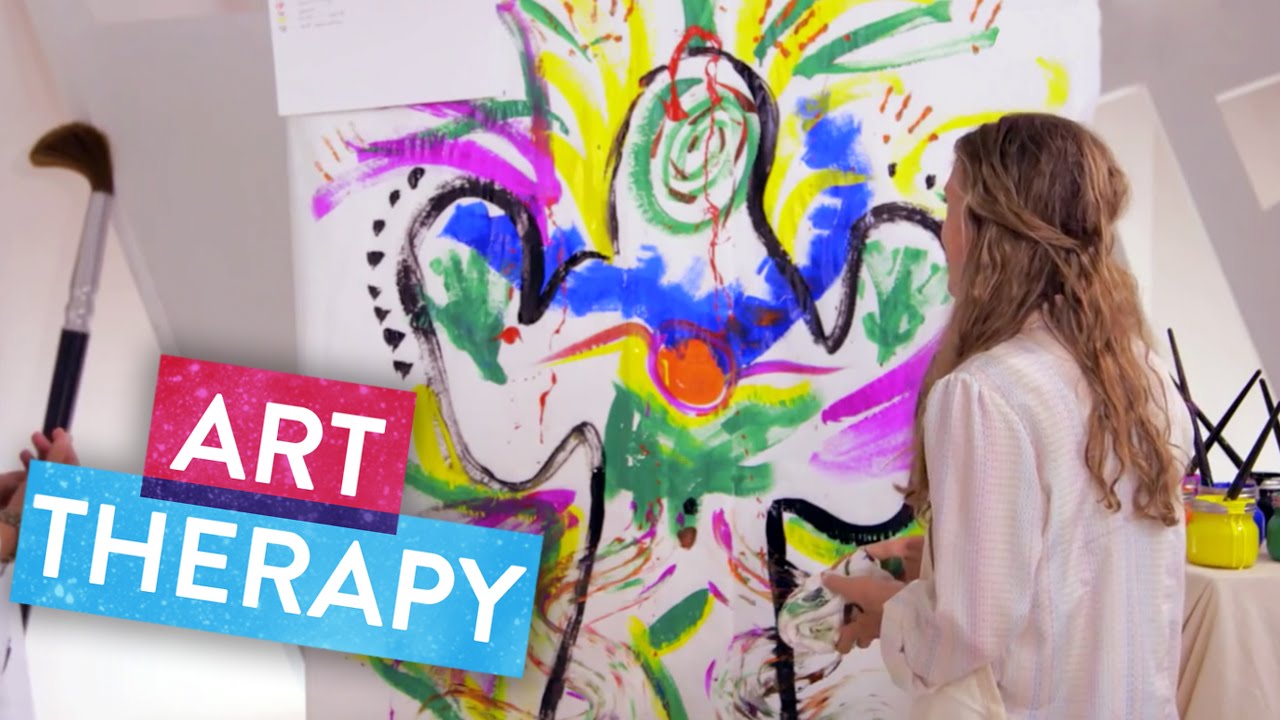
From Canvas to Clarity: How Art Therapy Strengthens Recovery and Resilience

Recovery from addiction and mental health challenges is not a linear process. It is a journey that involves emotional healing, self discovery, and rebuilding resilience one step at a time. While clinical treatment, counseling, and structured programs form the foundation of care, many individuals benefit from additional tools that support emotional expression and inner stability. Art therapy, especially through drawing and painting, offers a powerful way to transform confusion into clarity. At Varley Grace, we integrate creative expression into our holistic, faith-based, and individualized treatment programs to help clients strengthen recovery from the inside out.

Understanding Art Therapy in Addiction and Mental Health Recovery

Art therapy is a therapeutic practice that uses creative expression to support emotional and psychological healing. For individuals in recovery, it provides a safe space to explore feelings that may be difficult to express through words alone. Emotions such as shame, grief, anger, and fear often surface during recovery, and without healthy outlets, they can become overwhelming.

Drawing and painting allow these emotions to take form visually, creating distance from distress while encouraging reflection and understanding. This process helps individuals move from emotional chaos toward clarity and self awareness.

Why Creative Expression Builds Emotional Strength

Engaging in art therapy supports mental wellness in several meaningful ways:

  • Encourages emotional release in a safe and structured environment
  • Reduces stress by promoting mindfulness and focused attention
  • Improves emotional regulation and self awareness
  • Strengthens problem solving skills through creative thinking
  • Builds confidence through visible progress and accomplishment

These benefits are especially important for individuals working through addiction recovery and co-occurring mental health conditions.

From Emotional Turmoil to Mental Clarity

One of the most powerful outcomes of art therapy is the shift from emotional overwhelm to clarity. When individuals create art, they externalize internal experiences. This allows them to observe their thoughts and feelings from a new perspective. Instead of being consumed by emotions, they begin to understand them.

This shift is essential in recovery. Clarity supports better decision making, healthier coping strategies, and stronger emotional resilience.

The Role of Mindfulness in Art Therapy

Drawing and painting naturally encourage mindfulness. As individuals focus on color, shape, and movement, the mind becomes anchored in the present moment. This reduces rumination and helps interrupt negative thought patterns that can contribute to relapse or emotional distress.

Over time, mindfulness practiced through art can improve overall mental stability and emotional balance.

Integrating Art Therapy into Holistic Care at Varley Grace

At Varley Grace, we believe recovery is most effective when it addresses the whole person. Our inpatient and outpatient programs combine evidence based addiction treatment, mental health care, and holistic approaches designed to meet each client’s unique needs. Art therapy is an important part of this model because it supports emotional expression and personal insight in a gentle and accessible way.

Creative therapy sessions are guided by trained professionals who help clients explore themes such as healing, identity, and resilience. This allows individuals to process experiences while developing healthier emotional responses.

Practical Ways Art Supports Recovery

Art therapy can be integrated into treatment and daily life in several practical ways:

  • Journaling through sketches or visual storytelling to track emotional growth
  • Themed art exercises focused on recovery milestones or personal strengths
  • Group creative sessions that build connection and reduce isolation
  • Independent art practice used as a coping tool during stressful moments

These practices help reinforce skills learned in therapy and support ongoing emotional regulation.

Building Resilience Through Creative Healing

Resilience is the ability to adapt and recover from challenges. In addiction and mental health recovery, resilience is essential for long term success. Art therapy strengthens resilience by helping individuals process setbacks, explore emotions, and reconnect with personal strengths.

Each creative session becomes an opportunity to practice patience, self compassion, and persistence. Over time, this builds emotional endurance and a stronger sense of identity beyond addiction or mental health struggles.

Conclusion: Finding Clarity Through Creativity

The journey from addiction and emotional distress to recovery is deeply personal. It requires tools that support healing on every level, including emotional, mental, and spiritual well being. Art therapy offers a meaningful way to move from internal chaos to clarity, helping individuals understand themselves and build lasting resilience.

At Varley Grace, we are committed to providing compassionate, individualized care that supports real and sustainable healing. Through a combination of clinical treatment, holistic practices, and creative expression, we help clients rediscover stability and purpose. If you or someone you love is seeking support, reach out today to learn how art therapy can become a powerful part of your recovery journey and help you move from canvas to clarity.

Healing Minds Through Art: Drawing and Painting Therapy for Emotional Wellness

Recovery from addiction and mental health challenges is not only about stopping harmful behaviors. It is about rebuilding emotional stability, restoring self worth, and learning healthier ways to cope with life’s difficulties. While traditional therapy, medical care, and structured treatment programs play an essential role, creative expression through drawing and painting offers a deeply effective way to support emotional wellness. Art therapy provides a safe, nonverbal outlet for healing that helps individuals process emotions, reduce stress, and reconnect with themselves. At Varley Grace, we incorporate creative therapies into individualized, holistic, faith-based treatment plans designed to support lasting recovery.

Understanding Drawing and Painting Therapy in Mental Health Care

Drawing and painting therapy, also known as art therapy, uses creative expression as a therapeutic tool to support emotional and psychological healing. Many individuals struggling with addiction or mental health conditions find it difficult to express complex emotions such as shame, grief, anxiety, or trauma. Art therapy provides an alternative form of communication that does not rely on words, allowing individuals to explore their inner world safely and at their own pace.

Through structured guidance and supportive care, clients use art to reflect on experiences, identify emotional patterns, and build healthier coping strategies.

Why Creative Expression Supports Emotional Wellness

Engaging in drawing and painting activates parts of the brain involved in emotion regulation, memory, and problem solving. This makes art a powerful complement to traditional mental health treatment. Some of the key benefits include:

  • Emotional release through safe and structured expression
  • Reduced stress and anxiety through mindfulness and focus
  • Improved self awareness and insight into thought patterns and triggers
  • Increased confidence through completing creative work
  • Strengthened ability to process difficult emotions without avoidance

These benefits make art therapy especially valuable for individuals navigating both addiction recovery and mental health treatment.

Integrating Art Therapy Into Holistic Treatment at Varley Grace

At Varley Grace, we provide compassionate, individualized care through inpatient and outpatient programs that address the full spectrum of recovery needs. Our approach combines evidence based treatment with holistic and faith based support. Art therapy is an important part of this model because it supports emotional healing alongside clinical care.

Creative expression helps clients engage more deeply in their recovery journey by offering a safe space to process emotions and reflect on personal growth. It also complements counseling and group therapy by reinforcing self awareness and emotional regulation.

Practical Ways Art Therapy Is Used in Recovery

Art therapy can be integrated into both structured sessions and daily life. Some practical approaches include:

  • Art journaling to express emotions and track progress in recovery
  • Guided drawing or painting exercises focused on themes such as hope, resilience, and healing
  • Group art sessions that encourage connection, support, and shared understanding
  • Mindful art practices used during moments of stress or emotional overwhelm

These tools allow individuals to continue their healing process outside of therapy sessions and develop long term coping skills.

Supporting Long Term Mental Health Through Creativity

One of the most powerful aspects of art therapy is its ability to support long term emotional wellness. Recovery does not end when treatment is completed. Individuals continue to face stress, triggers, and emotional challenges in daily life. Having creative outlets like drawing and painting provides a healthy way to manage these experiences.

Over time, many clients find that creative expression becomes a grounding practice that helps them stay connected to their emotions, values, and recovery goals. It reinforces a sense of identity that is not defined by addiction or mental health struggles, but by growth, resilience, and self discovery.

Conclusion: A Creative Path Toward Healing

Healing from addiction and mental health challenges requires more than clinical treatment alone. It requires tools that help individuals reconnect with themselves on a deeper emotional level. Drawing and painting therapy offers a meaningful and accessible way to support emotional wellness, reduce stress, and strengthen recovery outcomes.

At Varley Grace, we are committed to providing compassionate, personalized care that supports the whole person. Through a combination of evidence based treatment, holistic approaches, and creative therapies, we help clients build a strong foundation for lasting recovery. If you or someone you love is seeking support, reach out today to learn how art therapy can become part of a healing journey toward stability, hope, and renewed purpose.

The Art of Renewal: Using Creative Expression to Support Mental Health and Sobriety

Recovery from addiction is a journey that touches every part of a person’s life. It is not only about achieving sobriety but also about restoring emotional balance, rebuilding self-identity, and finding meaningful ways to cope with stress and trauma. While traditional therapy, counseling, and medical support are essential, creative expression through drawing, painting, and other art forms provides a unique and powerful avenue for healing. Art therapy allows individuals to explore emotions safely, express themselves authentically, and strengthen mental wellness. At Varley Grace, we integrate creative therapies into holistic, faith-based, and individualized programs to help clients rebuild their lives with purpose and resilience.

Understanding Art Therapy in Recovery

Art therapy is a therapeutic approach that uses creative activities to support emotional, psychological, and spiritual healing. Many individuals in recovery struggle to express complex feelings such as guilt, anxiety, grief, or shame. Drawing and painting provide a nonverbal way to process these emotions, creating space for reflection and insight. This process complements traditional therapy and strengthens coping strategies.

How Creative Expression Supports Mental Health

Engaging in artistic activities offers numerous benefits for mental health and recovery:

  • Emotional release: Art provides a safe outlet for expressing feelings that may be difficult to communicate verbally.
  • Stress reduction: Concentrating on colors, shapes, and brushstrokes encourages mindfulness, reducing anxiety and tension.
  • Self-awareness: Creating art can reveal patterns, triggers, and areas for personal growth.
  • Confidence building: Completing a creative project fosters a sense of accomplishment and reinforces self-esteem.

Through these benefits, clients develop stronger emotional resilience and healthier strategies for managing challenges in recovery.

Incorporating Art Therapy into Holistic Care

At Varley Grace, we offer both inpatient and outpatient programs tailored to each client’s needs. Art therapy is seamlessly integrated with mental health counseling, medical care, and faith-based support. This approach ensures that creative expression enhances overall recovery by providing tools for self-reflection, emotional regulation, and personal growth.

Practical Ways to Include Art in Recovery

Art therapy can be practiced in structured sessions or incorporated into daily life. Some practical strategies include:

  • Art journaling: Document thoughts, emotions, and progress through sketches, paintings, or mixed media.
  • Themed exercises: Explore concepts such as gratitude, resilience, and personal growth to reinforce positive mental health habits.
  • Group art sessions: Participate in guided activities to foster community, share experiences, and reduce feelings of isolation.
  • Mindful creative practices: Use painting or drawing to manage stress and maintain emotional balance during challenging moments.

These approaches provide ongoing support, helping clients maintain emotional wellness and strengthen coping skills between therapy sessions.

Rebuilding Identity Through Creativity

Addiction often erodes a person’s sense of self. Individuals may struggle to recognize their worth beyond substance use. Creative expression through art helps rebuild identity by highlighting personal strengths, talents, and achievements. Each completed piece becomes a tangible reminder of progress, resilience, and the capacity to create positive change.

Conclusion: Begin Your Journey of Renewal Through Art

Drawing, painting, and other forms of creative expression are more than hobbies—they are powerful tools for emotional healing, mental wellness, and sustainable sobriety. At Varley Grace, we combine art therapy with individualized, holistic care to support clients throughout their recovery journey. Creative practices help process emotions, manage stress, and reconnect with one’s true self. Reach out today to discover how the art of renewal can support your recovery and guide you toward a balanced, fulfilling, and resilient life.