Finding Yourself Through Art: Drawing and Painting Therapy for Emotional Healing and Sobriety

Recovery from addiction is more than stopping substance use. It is a journey of rediscovering self-worth, processing complex emotions, and rebuilding a life rooted in purpose. While traditional therapy and medical support provide essential guidance, creative expression through drawing and painting offers an additional, powerful path toward healing. Art therapy provides a safe and constructive way to explore emotions, reduce stress, and strengthen resilience. At Varley Grace, we integrate art-based therapies into holistic, faith-based, and individualized programs to support mental wellness and long-term sobriety.

Understanding Art Therapy in Recovery

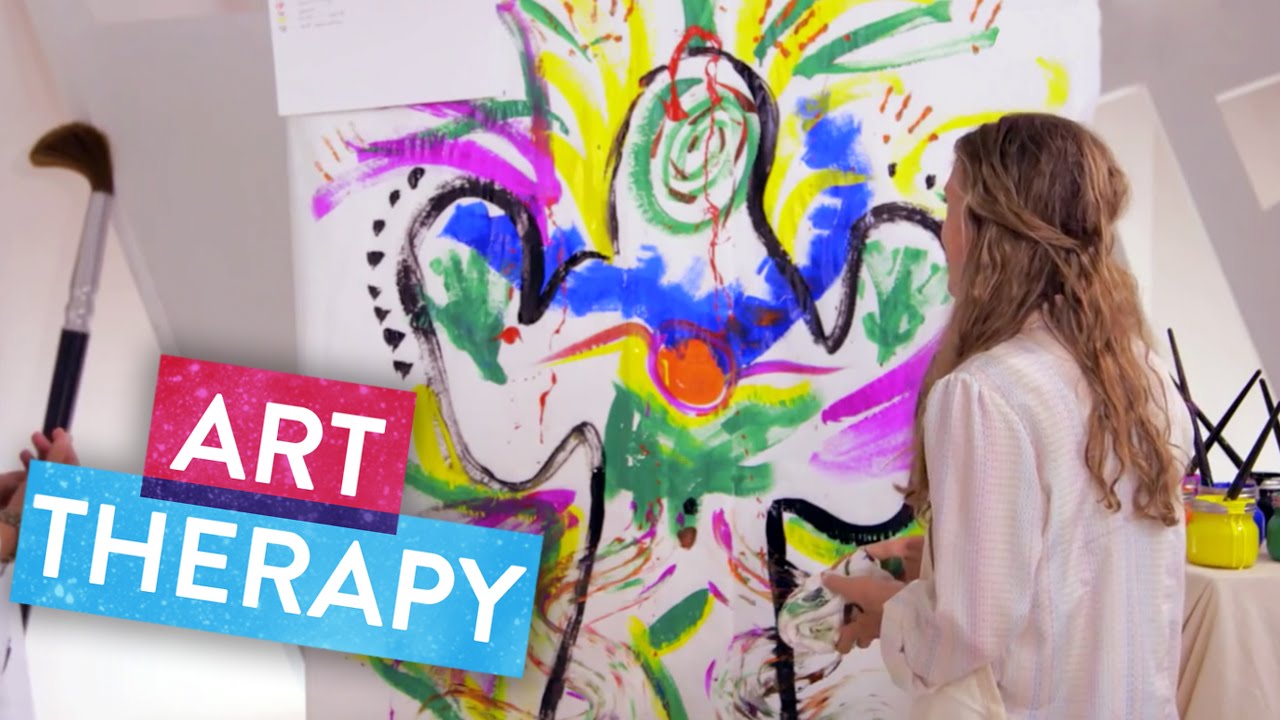
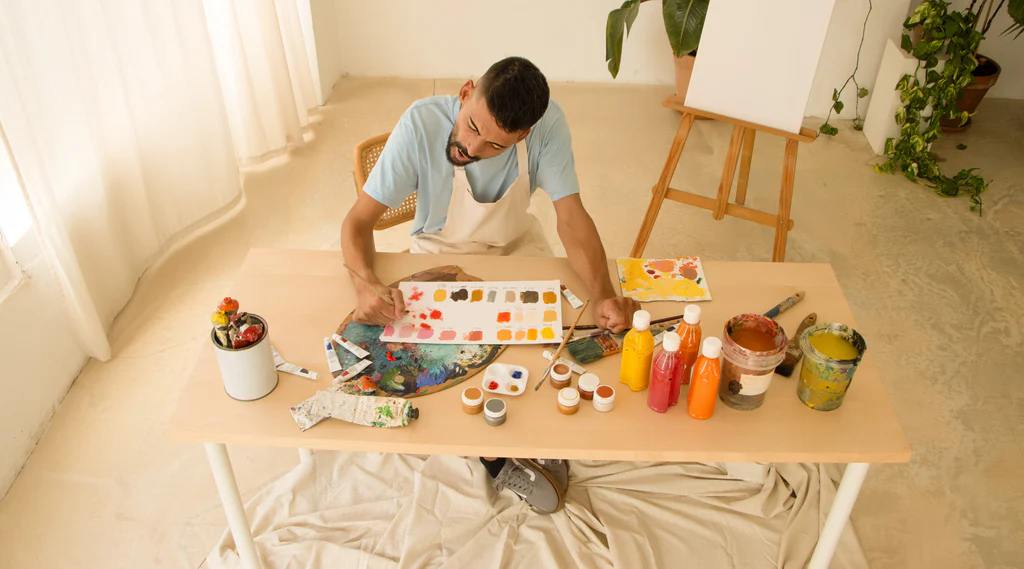
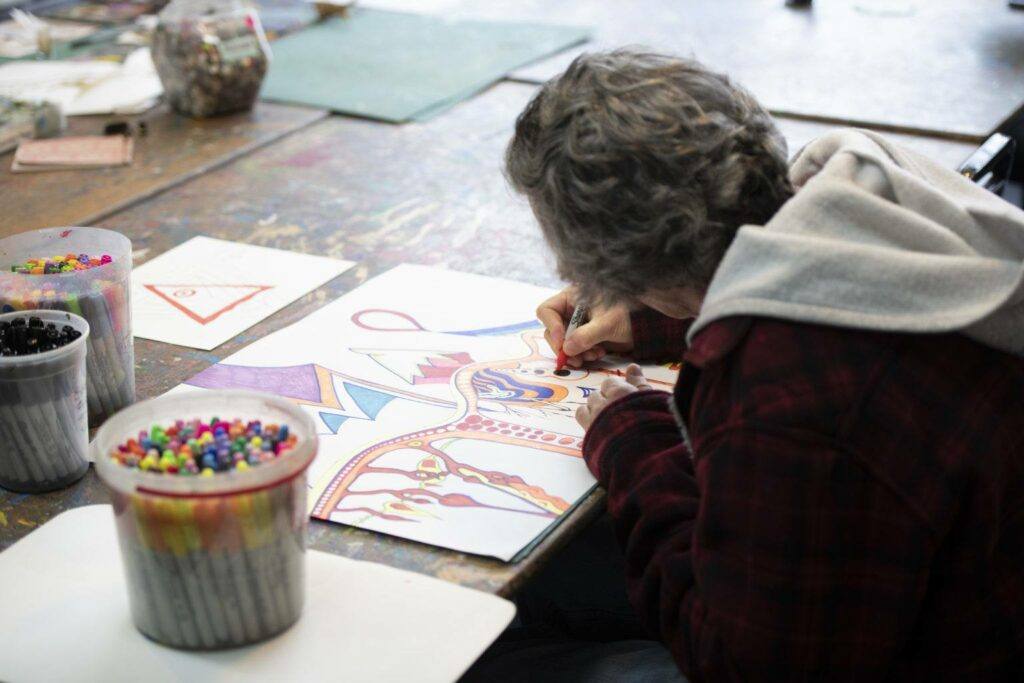
Art therapy is a therapeutic approach that uses creative processes to foster emotional, psychological, and spiritual healing. For many individuals in recovery, expressing feelings verbally can feel overwhelming. Drawing and painting allow emotions to be externalized in a nonjudgmental way, helping clients process past trauma, reduce anxiety, and build healthier coping strategies.

Why Creative Expression Matters

Engaging in art provides a way to reconnect with emotions, build self-awareness, and reinforce personal growth. Some key benefits of drawing and painting therapy include:

  • Emotional release: Safely express difficult feelings such as grief, guilt, or frustration.
  • Stress reduction: The focus required during art creation encourages mindfulness, lowering anxiety and tension.
  • Insight and self-reflection: Artistic expression can uncover subconscious patterns, triggers, and areas for personal development.
  • Confidence and accomplishment: Completing a creative project reinforces self-esteem and fosters a sense of achievement.

These benefits are essential for individuals navigating both addiction recovery and mental health challenges.

Integrating Art Therapy Into Holistic Care

At Varley Grace, we offer both inpatient and outpatient programs that are tailored to each client’s needs. Art therapy complements evidence-based addiction treatment, mental health counseling, and holistic support. By integrating creative expression into personalized care plans, clients are better equipped to explore emotions, process experiences, and build resilience in a safe and structured environment.

Practical Ways to Use Art in Recovery

Art therapy can be applied during structured sessions or incorporated into daily routines. Some practical approaches include:

  • Art journaling: Dedicate time to sketch, paint, or reflect on emotions and experiences.
  • Themed creative exercises: Focus on gratitude, personal growth, or coping strategies to reinforce positive mental health habits.
  • Group art sessions: Engage in guided activities to share experiences, foster community, and reduce isolation.
  • Mindful creative practices: Use drawing or painting to calm the mind during moments of stress or craving.

These practices help clients maintain emotional balance and strengthen coping skills outside of formal therapy sessions.

Rebuilding Identity Through Creativity

Addiction often erodes a person’s sense of self. Many individuals in recovery struggle to reconnect with their identity beyond substance use. Drawing and painting therapy help rebuild that connection by highlighting strengths, talents, and personal growth. The creative process empowers clients to see themselves as capable, resilient, and worthy of a fulfilling life.

Begin Your Journey of Emotional Healing

Drawing and painting are more than hobbies; they are therapeutic tools that support emotional healing, mental wellness, and lasting sobriety. By integrating art therapy with comprehensive treatment, individuals gain practical strategies to manage emotions, reduce stress, and rediscover their sense of self. At Varley Grace, we provide compassionate, individualized care that addresses the physical, emotional, and spiritual dimensions of recovery. Reach out today to learn how creative expression can become a vital part of your healing journey and help you find yourself through art.

Art as a Recovery Tool: How Creative Expression Enhances Mental Health and Addiction Treatment

Recovery from addiction and mental health challenges is a complex journey that involves more than therapy sessions and medical support. Healing requires emotional exploration, stress management, and a safe way to process difficult experiences. Creative expression through art, particularly drawing and painting, has emerged as a valuable tool in supporting mental wellness and addiction treatment. At Varley Grace, we integrate art therapy into individualized, holistic, and faith-based programs to help clients rebuild emotional balance, resilience, and self-worth.

Understanding Art Therapy in Recovery

Art therapy is a therapeutic approach that uses creative processes to support emotional, psychological, and spiritual healing. Unlike traditional talk therapy, art therapy allows individuals to communicate thoughts and emotions nonverbally. This can be especially beneficial for people who struggle to articulate feelings related to trauma, guilt, or anxiety. Drawing and painting provide a safe outlet for self-expression and a constructive way to process complex emotions.

How Art Supports Emotional Health

Engaging in creative activities helps restore emotional balance and strengthens coping skills. Some key benefits include:

  • Emotional expression: Art allows individuals to safely release feelings that may be difficult to voice.
  • Mindfulness and stress relief: Focusing on creative tasks encourages present-moment awareness, which reduces anxiety and promotes calm.
  • Self-reflection and insight: Artistic expression often reveals patterns, triggers, and personal growth areas that support recovery goals.
  • Confidence building: Completing a piece of art fosters a sense of accomplishment, reinforcing self-esteem and self-efficacy.

These benefits make art therapy a powerful complement to traditional treatment methods for mental health and addiction recovery.

Integrating Art Therapy into Holistic and Individualized Care

Varley Grace provides both inpatient and outpatient programs tailored to each individual’s needs. Art therapy is seamlessly incorporated alongside mental health counseling, medical care, and faith-based support. This integration ensures that creative expression enhances overall treatment by fostering emotional resilience, self-awareness, and coping strategies.

Practical Ways to Incorporate Art in Recovery

Art therapy can be practiced in structured sessions or integrated into daily routines. Some effective strategies include:

  • Art journaling: Use sketches, paintings, or mixed media to reflect on emotions, experiences, and personal growth.
  • Themed exercises: Focus on recovery milestones, gratitude, or resilience to reinforce positive mental health patterns.
  • Group art sessions: Participate in guided creative activities to foster connection, reduce isolation, and share experiences safely.
  • Mindful creative practices: Engage in simple drawing or painting exercises to manage stress or calm the mind during challenging moments.

These approaches help clients continue the therapeutic benefits of art outside formal sessions and maintain emotional balance between treatments.

Supporting Long-Term Recovery and Mental Wellness

Art therapy is more than a temporary activity. Regular creative engagement supports long-term emotional regulation, strengthens resilience against triggers, and promotes self-discovery. When combined with Varley Grace’s comprehensive programs, art therapy contributes to sustainable recovery and improved mental health outcomes. Clients gain practical tools to navigate stress, reinforce personal growth, and maintain a sense of identity beyond addiction.

Take the First Step Toward Healing Through Art

Creative expression offers a compassionate and effective way to support mental health and addiction recovery. Drawing and painting provide outlets for emotional release, mindfulness, and self-reflection, enhancing the benefits of traditional therapy. At Varley Grace, we are committed to individualized, holistic care that empowers clients to rebuild their lives. Reach out today to learn how art therapy can become a valuable part of your recovery journey and help you achieve lasting emotional wellness and sobriety.

From Brush to Balance: Exploring the Benefits of Drawing and Painting in Recovery

Addiction recovery is not only about breaking free from substances. It is about restoring emotional stability, rebuilding self trust, and learning healthier ways to respond to stress and pain. While clinical therapy and structured treatment programs are essential, creative expression through drawing and painting offers an additional pathway to healing. Art therapy provides individuals with a safe and meaningful way to process emotions, strengthen mental wellness, and rediscover a sense of balance. At Varley Grace, we incorporate creative therapies into individualized treatment plans that support the whole person through addiction recovery and mental health care.

The Role of Art Therapy in Addiction Recovery

Art therapy uses creative activities such as drawing and painting to promote emotional healing and self awareness. For many individuals in recovery, putting feelings into words can feel overwhelming. Shame, grief, anxiety, and unresolved trauma may sit beneath the surface. Through art, clients can explore these emotions in a way that feels less intimidating and more approachable.

Drawing and painting create space for reflection. They allow individuals to externalize inner struggles, making it easier to examine patterns and triggers. When guided by trained professionals within inpatient or outpatient programs, art therapy becomes a powerful complement to traditional counseling and mental health treatment.

Why Creative Expression Supports Mental Wellness

Addiction often disrupts emotional regulation. Many people turn to substances to cope with stress, sadness, or anger. Creative expression offers a healthier outlet. When someone engages with color, shape, and texture, the nervous system begins to calm. Focus increases. Breathing slows. Over time, this process helps build emotional resilience.

Key benefits of drawing and painting in recovery include:

  • Emotional release in a safe and constructive way
  • Reduced anxiety through mindful engagement
  • Greater self awareness and insight
  • Increased confidence from completing creative work
  • Improved coping skills for managing triggers

These benefits strengthen mental wellness and support long term sobriety.

Integrating Art Therapy Into Holistic Care

At Varley Grace, recovery is approached from a holistic and faith based perspective. Treatment plans are tailored to each individual, recognizing that no two recovery journeys are the same. Art therapy complements evidence based addiction treatment, mental health counseling, and both inpatient and outpatient care.

Inpatient Programs and Creative Healing

Within inpatient settings, structured art therapy sessions provide clients with dedicated time to explore emotions in a supportive environment. Surrounded by professional guidance and peer support, individuals can process difficult experiences while building healthier coping mechanisms.

Art sessions may focus on themes such as forgiveness, resilience, gratitude, or personal growth. These exercises encourage reflection and help clients reconnect with their values and sense of purpose.

Outpatient Care and Ongoing Practice

For clients in outpatient programs, drawing and painting become practical tools for daily life. Creative practices can be continued at home to manage stress, reinforce therapeutic insights, and maintain emotional balance between sessions.

Simple ways to incorporate art into daily recovery include:

  • Keeping a recovery art journal
  • Setting aside weekly time for painting or sketching
  • Using art to reflect on progress and personal goals
  • Participating in group art therapy for connection and accountability

These habits support consistency and long term emotional wellness.

Rebuilding Identity and Finding Balance

Addiction can erode self identity. Individuals may begin to see themselves only through the lens of past mistakes or substance use. Creative expression helps rebuild identity by highlighting strengths, talents, and personal growth.

When someone creates art, they are reminded that they are capable of producing something meaningful. That realization builds confidence. It also reinforces the idea that recovery is not just about avoiding relapse. It is about building a balanced, fulfilling life rooted in purpose and self respect.

Take the Next Step Toward Healing

Drawing and painting are more than hobbies. They are powerful therapeutic tools that support addiction recovery and mental wellness. By integrating art therapy into comprehensive treatment, individuals gain practical strategies to manage emotions, reduce stress, and rebuild their sense of self.

At Varley Grace, we are committed to compassionate, individualized care that addresses the physical, emotional, and spiritual dimensions of healing. If you or someone you love is seeking support for addiction or mental health challenges, reach out today. Discover how creative expression can help you move from brush to balance and begin a recovery journey grounded in hope, resilience, and lasting change.

Creative Paths to Sobriety: Using Art Therapy to Rebuild Mind and Emotions

Recovery from addiction is not only about abstaining from substances. It is also about rebuilding the mind, processing complex emotions, and restoring a sense of purpose and identity. While counseling and medical treatment are essential components of recovery, creative therapies such as drawing and painting offer powerful tools for emotional healing. Art therapy provides individuals with a safe and constructive way to explore feelings, manage stress, and develop healthier coping strategies. At Varley Grace, we integrate art-based therapies into holistic, faith-based, and individualized programs to support both mental wellness and long-term sobriety.

Understanding Art Therapy in Addiction Recovery

Art therapy is a structured approach that uses creative expression to facilitate emotional, psychological, and spiritual healing. Unlike traditional talk therapy, art therapy allows clients to express feelings that may be difficult to put into words. For individuals in recovery, drawing and painting can be transformative tools to process trauma, reduce anxiety, and regain a sense of control over their emotional well-being.

The Emotional Benefits of Creative Expression

Engaging in drawing and painting offers multiple benefits for those in recovery, including:

  • Emotional release: Art provides a safe outlet for expressing feelings such as fear, sadness, or frustration.
  • Mindfulness and focus: Creating art requires attention to detail and presence, which can lower stress and promote relaxation.
  • Self-reflection: Art often uncovers insights about thought patterns, triggers, and personal growth areas.
  • Confidence and accomplishment: Completing a piece of art fosters a sense of achievement and self-worth, reinforcing progress in recovery.

These benefits support both mental health and the development of long-term strategies to maintain sobriety.

Integrating Art Therapy Into Holistic and Personalized Care

At Varley Grace, every recovery plan is tailored to meet the individual’s unique needs. Art therapy complements mental health counseling, inpatient and outpatient programs, and faith-based practices. By integrating creative expression with clinical and holistic care, clients gain tools to explore emotions safely, practice coping skills, and strengthen resilience.

Practical Ways to Use Art Therapy in Recovery

Art therapy can be implemented both in structured sessions and as part of a daily routine. Some practical approaches include:

  • Daily creative journaling: Dedicate time to sketch or paint emotions, experiences, and reflections.
  • Guided thematic exercises: Focus on topics like gratitude, hope, or personal strengths to reinforce positive growth.
  • Group art sessions: Participate in group activities to share experiences, build support networks, and reduce isolation.
  • Mindful drawing or painting: Use simple creative exercises to manage anxiety or stress during difficult moments.

These practices allow clients to maintain emotional balance, process experiences, and reinforce recovery outside formal therapy sessions.

Supporting Long-Term Mental Health and Sobriety

Art therapy is not a replacement for traditional treatment but a powerful complementary tool. Regular engagement in creative practices helps individuals manage emotions, reduce stress, and build resilience against relapse triggers. When combined with Varley Grace’s comprehensive treatment approach, including inpatient and outpatient care, clients experience a holistic recovery that addresses both the emotional and practical aspects of sobriety.

Take the First Step Toward Creative Healing

Recovery is a journey that requires compassion, guidance, and tools that address the whole person. Drawing and painting therapy provide meaningful, practical ways to rebuild the mind, process emotions, and support long-term sobriety. At Varley Grace, we offer individualized programs that integrate art therapy with clinical and holistic care to empower clients on their path to healing. Reach out today to explore how creative expression can become an essential part of your recovery journey and help you rediscover balance, purpose, and hope.

Healing Through Art: How Drawing and Painting Support Addiction Recovery and Mental Wellness

Recovery from addiction and mental health challenges is a journey that requires patience, support, and the right combination of therapies. While counseling, medication, and structured programs are critical, creative expression through drawing and painting offers a complementary path to healing. Art therapy provides individuals with a safe, nonverbal way to explore emotions, process experiences, and reconnect with themselves. At Varley Grace, we incorporate art-based therapies into our holistic, faith-based, and individualized programs to support clients’ mental, emotional, and spiritual well-being.

Understanding Art Therapy in Addiction and Mental Health Recovery

Art therapy is more than creating visually appealing pieces. It is a structured therapeutic approach that encourages self-expression, emotional release, and self-reflection. Many people in recovery struggle to articulate complex feelings such as guilt, shame, or anxiety. Drawing and painting offer a channel to communicate and process these emotions safely, which can reduce stress and enhance overall well-being.

The Benefits of Drawing and Painting in Recovery

Engaging in creative activities provides multiple mental health and recovery benefits. Some of the key advantages include:

  • Emotional expression: Art allows individuals to release emotions that may be difficult to express verbally.
  • Stress relief: Focusing on colors, shapes, and movement encourages mindfulness, which can lower anxiety and tension.
  • Self-discovery: Creative expression often uncovers underlying thoughts, patterns, and feelings that support personal insight.
  • Confidence building: Completing a drawing or painting fosters a sense of accomplishment and reinforces self-worth.

These benefits are especially meaningful for individuals navigating both addiction and mental health challenges. Art therapy helps clients build resilience and develop healthier coping strategies.

Integrating Art Therapy Into Holistic Care

At Varley Grace, we offer both inpatient and outpatient programs tailored to each client’s needs. Art therapy is seamlessly integrated into these programs alongside counseling, medical support, and holistic approaches. This ensures that creative expression complements traditional recovery tools, creating a comprehensive and personalized healing experience.

Practical Ways to Incorporate Art in Recovery

Art therapy can be applied in structured sessions or daily personal practice. Practical methods include:

  • Art journaling: Use sketching or painting to track emotions, reflect on progress, or express daily experiences.
  • Guided creative exercises: Focus on themes like hope, resilience, or gratitude to reinforce positive mental health.
  • Group art therapy: Share and discuss artwork in a supportive setting to build connection and reduce isolation.
  • Mindful creative exercises: Engage in focused, simple drawing or painting sessions to calm the mind during stressful moments.

Supporting Long-Term Mental Wellness

The benefits of art therapy extend beyond the walls of treatment programs. Individuals who integrate drawing and painting into daily routines often experience improved emotional regulation, enhanced self-awareness, and stronger resilience against triggers. This ongoing practice supports long-term mental wellness and recovery, helping clients maintain balance and purpose in everyday life.

Take the First Step Toward Creative Healing

Recovery is a multifaceted process that calls for compassion, creativity, and professional guidance. Drawing and painting therapy offer practical, meaningful ways to support emotional wellness, foster self-expression, and strengthen coping skills. At Varley Grace, our individualized, holistic approach combines art therapy with comprehensive addiction and mental health treatment to empower clients on their journey toward lasting recovery. Reach out today to learn how creative expression can become a valuable part of your healing journey and help you reconnect with your inner strength.

Painting Through Pain: Practical Ways Art Therapy Complements Inpatient and Outpatient Care for Mental Health

Mental health and addiction recovery are journeys that require more than medication and counseling alone. Many individuals benefit from therapies that engage the mind, body, and emotions in complementary ways. Art therapy, particularly through drawing and painting, offers a compassionate and effective approach to processing pain, managing stress, and supporting emotional healing. At Varley Grace, creative therapies are integrated with inpatient and outpatient care to provide holistic, individualized treatment that nurtures mental, emotional, and spiritual well-being.

Understanding Art Therapy in Recovery

Art therapy is a form of psychotherapy that uses creative processes to explore emotions, process trauma, and develop coping skills. Unlike traditional talk therapy, art therapy allows individuals to express thoughts and feelings that may be difficult to verbalize. For those struggling with addiction or mental health challenges, painting and drawing provide a safe outlet for self-expression, helping to reduce anxiety, improve emotional awareness, and build resilience.

Why Painting and Drawing Matter

The creative process engages multiple parts of the brain and body. This can help clients regulate emotions, release tension, and reconnect with their sense of identity. Some key benefits include:

  • Emotional release: Art provides a safe space to process complex feelings such as grief, anger, or fear.
  • Stress reduction: Focusing on painting or drawing encourages mindfulness, which can lower stress levels and improve mental clarity.
  • Self-reflection: Visual expression can reveal patterns, triggers, and insights that support recovery goals.
  • Confidence building: Completing an art project fosters a sense of accomplishment, which reinforces self-worth and motivation.

Integrating Art Therapy with Inpatient and Outpatient Care

At Varley Grace, treatment is tailored to each individual. Art therapy is seamlessly incorporated into both inpatient and outpatient programs, complementing mental health counseling, medical support, and holistic care. In inpatient settings, art therapy sessions provide structured opportunities to explore emotions in a supportive environment. Outpatient clients can continue creative practices to manage stress, maintain emotional balance, and strengthen coping skills outside of the clinic.

Practical Ways to Use Art Therapy in Recovery

Clients and caregivers can incorporate painting and drawing into daily routines to reinforce the benefits of therapy. Practical strategies include:

  • Daily creative journaling: Dedicate time each day to sketching or painting thoughts, emotions, and reflections.
  • Themed exercises: Focus on recovery milestones, personal strengths, or coping strategies through guided art projects.
  • Group sessions: Participate in group art therapy to foster connection, reduce isolation, and encourage sharing in a safe environment.
  • Mindful art practices: Use simple drawing or painting exercises to center the mind and calm anxious thoughts.

Combining Art with Holistic and Faith-Based Approaches

Varley Grace offers holistic, faith-based treatment that addresses the whole person. Art therapy complements this approach by nurturing creativity, self-reflection, and spiritual growth. Clients who engage in creative practices often find greater hope, purpose, and emotional resilience, which enhances both inpatient and outpatient care outcomes.

Long-Term Benefits of Art Therapy in Mental Health Recovery

Art therapy is not just a temporary activity—it is a lifelong tool for emotional wellness. Regular creative expression supports long-term recovery by helping individuals manage stress, navigate triggers, and maintain a sense of identity and purpose. When combined with professional care, art therapy strengthens emotional resilience and provides a safe, accessible outlet for ongoing self-expression.

Take the First Step Toward Healing

Healing from mental health challenges and addiction requires compassionate, comprehensive care. Painting and drawing therapy offer practical, meaningful ways to complement inpatient and outpatient treatment, supporting emotional expression, stress management, and personal growth. At Varley Grace, we are committed to individualized, holistic care that empowers each client to heal fully. Reach out today to learn how art therapy can become a part of your recovery journey and help you transform pain into purpose.

From Blank Page to New Purpose: How Creative Expression Helps Rebuild Identity in Recovery

Recovery from addiction is not just about abstaining from substances. It is a journey of rediscovery, emotional healing, and rebuilding a sense of self that addiction may have obscured. Many individuals find that traditional therapy alone cannot fully address the challenges of regaining identity, self-esteem, and purpose. Creative expression through drawing, painting, and other forms of art offers a meaningful pathway to explore emotions, process experiences, and reconnect with a true sense of self. At Varley Grace, we integrate creative therapies into holistic treatment plans, supporting clients as they move from a blank page to a renewed sense of purpose.

Understanding Identity in Addiction Recovery

Addiction can disrupt personal identity, making it difficult for individuals to see themselves beyond the cycle of substance use. Feelings of shame, guilt, and loss often cloud self-perception. Rebuilding identity in recovery requires tools that allow for self-reflection, exploration, and emotional expression. Creative therapies provide a safe space to engage with these feelings, offering insight and clarity while promoting healing.

Why Creative Expression Matters

Engaging in creative activities like drawing and painting encourages individuals to explore emotions nonverbally. Art becomes a mirror to the inner world, revealing hidden thoughts, patterns, and desires. This process helps clients identify personal strengths, clarify values, and begin to envision a life beyond addiction. The benefits of creative expression in recovery include:

  • Emotional release: Safely express emotions such as fear, grief, or anger without judgment.
  • Self-awareness: Gain insight into triggers, coping patterns, and personal growth areas.
  • Confidence building: Completing a piece of art reinforces accomplishment and self-worth.
  • Purpose development: Art can inspire reflection on life goals, values, and aspirations.

Integrating Art Therapy into Holistic Recovery

At Varley Grace, we provide individualized care that blends evidence-based treatment with holistic and faith-based approaches. Art therapy complements counseling, mental health treatment, and both inpatient and outpatient care. This integration allows clients to address not only the physical and psychological aspects of addiction but also emotional and spiritual well-being.

Practical Ways to Rebuild Identity Through Art

Art therapy can be structured within professional programs or practiced independently as a supportive recovery tool. Some practical strategies include:

  • Art journaling: Use a journal to explore emotions, recovery goals, and daily reflections through sketches and painting.
  • Themed creative exercises: Focus on personal growth, resilience, or gratitude to reinforce positive self-perception.
  • Group art sessions: Share creative projects in a supportive group environment to foster connection and reduce isolation.
  • Mindful drawing or painting: Engage in simple, focused creative activities to manage stress and cultivate self-awareness.

Combining Creativity with Professional Support

Creative expression is most effective when paired with professional guidance. Trained art therapists help individuals process complex emotions, explore personal narratives, and set actionable recovery goals. When combined with counseling, medical support, and holistic approaches, art therapy becomes a powerful tool for long-term identity rebuilding and emotional wellness.

Moving From Blank Page to Purpose

Recovery is a process of transformation. Each stroke of a brush or pencil is more than art—it is a step toward reclaiming identity and building a life rooted in authenticity, resilience, and hope. Individuals who integrate creative expression into their recovery report improved emotional regulation, increased self-esteem, and a stronger connection to their personal values and life purpose.

Begin Your Journey of Self-Discovery

Rebuilding identity after addiction is a profound journey that requires patience, support, and self-exploration. Creative expression offers a compassionate and effective pathway to rediscovering self-worth, purpose, and emotional balance. At Varley Grace, we combine art therapy with personalized, holistic care to support each client in achieving lasting recovery. Take the first step today and explore how creative therapies can help you move from a blank page to a life of renewed purpose and hope.

Art as Therapy in Addiction Treatment: Real Benefits of Drawing and Painting for Emotional Wellness

Healing from addiction is about more than stopping substance use. It is about rebuilding emotional balance, restoring self worth, and learning healthier ways to cope with stress and pain. While traditional counseling is essential, many people in recovery benefit from therapies that reach deeper than words alone. Drawing and painting offer a powerful form of art therapy that supports emotional wellness, personal insight, and long term recovery. At Varley Grace, creative therapies are thoughtfully integrated into individualized treatment plans to support the whole person.

Understanding Art Therapy in Addiction Treatment

Art therapy uses creative expression as a therapeutic tool to support mental health and addiction recovery. Drawing and painting allow individuals to explore emotions that may feel unsafe or difficult to express verbally. For many people struggling with addiction, unresolved trauma, shame, or anxiety sits beneath the surface. Art therapy provides a structured and supportive way to access and process these emotions without pressure or judgment.

Why Creative Expression Matters in Recovery

Addiction often disconnects individuals from their emotions and sense of identity. Drawing and painting help restore that connection by engaging both the mind and body. The creative process encourages reflection, emotional release, and self awareness, all of which are essential for healing.

Some key emotional benefits include:

  • Reduced stress and anxiety through focused, calming activity
  • Healthy emotional release without substances
  • Increased self awareness and insight into triggers and patterns
  • Improved confidence and self esteem through creative accomplishment

How Drawing and Painting Support Emotional Wellness

Emotional wellness is a cornerstone of sustainable recovery. Without healthy ways to manage emotions, the risk of relapse increases. Drawing and painting create space for emotional regulation and balance, helping individuals respond to life with greater clarity and resilience.

Managing Stress and Cravings

Creative activities naturally encourage mindfulness. When a person focuses on color, texture, and movement, the nervous system begins to calm. This can reduce stress, anxiety, and even cravings. Over time, art therapy helps individuals develop healthier responses to discomfort rather than turning to substances for relief.

Processing Trauma and Mental Health Challenges

Many individuals in addiction treatment also struggle with depression, anxiety, or unresolved trauma. Art therapy allows these experiences to be explored gently and safely. Images can communicate what words cannot, making drawing and painting especially effective in dual diagnosis treatment. When combined with professional counseling, creative expression can lead to deeper healing and emotional clarity.

Art Therapy Within Holistic and Faith Based Care

At Varley Grace, treatment is never one size fits all. Programs are designed to meet each individual where they are, incorporating mental health treatment, addiction recovery services, and both inpatient and outpatient care. Art therapy fits naturally into this holistic and faith based approach, supporting emotional healing while respecting personal values and beliefs.

Creative therapies complement clinical care by nurturing hope, purpose, and self reflection. For clients who value spiritual growth, art can also become a meaningful form of reflection and renewal, reinforcing faith based recovery principles.

Practical Ways Art Therapy Is Used in Treatment

Art therapy sessions may include guided drawing, painting exercises, or open creative exploration under the guidance of trained professionals. Outside of sessions, individuals can continue practicing creativity as part of daily recovery routines.

Helpful practices include:

  • Keeping an art journal to track emotions and progress
  • Creating artwork focused on recovery goals or personal strengths
  • Participating in group art sessions to build connection and trust
  • Using drawing or painting during moments of stress or overwhelm

Building Long Term Recovery Through Creativity

Recovery does not end when treatment does. Drawing and painting offer lifelong tools for emotional wellness. Many individuals find that continuing creative practices helps them maintain balance, manage stress, and stay connected to their recovery journey. When art therapy is combined with individualized care and professional support, it becomes a powerful foundation for lasting change.

Take the Next Step Toward Healing

Addiction recovery is challenging, but it also offers the opportunity for growth, self discovery, and renewal. Drawing and painting therapy provide real emotional benefits that support mental health and long term sobriety. At Varley Grace, we believe in compassionate, personalized care that treats the whole person. If you or someone you love is seeking meaningful support for addiction and mental health, reach out today to learn how creative therapies can become part of a healing and hope filled recovery journey.

Beyond Talk Therapy: Exploring the Role of Art (Drawing & Painting) in Mental Health and Sobriety

Recovery from addiction and mental health challenges requires more than traditional talk therapy. While counseling and medication play essential roles, many individuals benefit from complementary therapies that engage the mind and emotions in creative ways. Drawing and painting therapy offers a powerful approach to healing, helping clients explore emotions, reduce stress, and strengthen coping skills in a safe, supportive environment. At Varley Grace, we integrate art therapy into our holistic programs, providing personalized care for those navigating the journey to sobriety and mental wellness.

Understanding Art Therapy in Recovery

Art therapy is a therapeutic technique that uses creative processes such as drawing, painting, and other visual arts to support emotional and psychological healing. Unlike standard talk therapy, art therapy allows individuals to express complex feelings nonverbally, which can be particularly valuable for those who struggle to articulate pain, anxiety, or past trauma. Engaging in artistic activities can help clients uncover insights, release tension, and foster emotional resilience.

Why Drawing and Painting Work

Drawing and painting stimulate both the brain and the body, providing multiple pathways for healing. Some of the key benefits include:

  • Emotional expression: Art offers a safe outlet to explore feelings that may feel overwhelming or difficult to express verbally.
  • Mindfulness and focus: The process of creating art encourages present-moment awareness, helping individuals manage stress and reduce cravings.
  • Self-reflection and insight: Artistic expression often reveals subconscious thoughts and patterns, providing valuable insights for recovery.
  • Confidence and accomplishment: Completing a piece of art can build self-esteem and a sense of achievement, reinforcing a positive identity beyond addiction.

Integrating Art Therapy with Holistic Care

At Varley Grace, our approach to recovery combines evidence-based treatment with holistic practices tailored to each client. Art therapy is incorporated alongside mental health counseling, faith-based support, and both inpatient and outpatient programs. This integration ensures that clients receive comprehensive care that addresses the physical, emotional, and spiritual aspects of healing. By combining creative expression with professional guidance, clients can explore new coping strategies and develop healthier ways to process emotions.

Practical Ways to Use Art in Recovery

Clients and caregivers can incorporate drawing and painting into daily recovery routines, even outside structured therapy sessions. Some practical approaches include:

  • Art journaling: Set aside time each day to sketch or paint emotions, thoughts, or reflections.
  • Theme-based projects: Focus on topics such as hope, resilience, or gratitude to reinforce positive thinking.
  • Group sessions: Join art therapy groups to build connection, reduce isolation, and share experiences safely.
  • Mindful exercises: Engage in simple drawing or painting exercises to calm the mind and improve focus.

Supporting Long-Term Mental Health and Sobriety

Art therapy is a complementary tool that strengthens recovery and supports mental health over time. Individuals who regularly engage in creative expression often experience reduced anxiety, improved emotional regulation, and greater resilience against triggers. In combination with professional therapy and personalized care at Varley Grace, art-based interventions help clients develop skills to sustain long-term sobriety and enhance overall well-being.

Begin Your Creative Healing Journey

Recovery from addiction and mental health challenges is a complex but transformative process. Drawing and painting therapy provides a meaningful, accessible way to explore emotions, reduce stress, and support mental health. At Varley Grace, we offer individualized programs that integrate art therapy with comprehensive care, giving clients the tools and support they need to thrive. Reach out today to learn more about how creative therapies can play a role in your recovery journey and take the next step toward lasting healing.

How Drawing and Painting Can Support Addiction Recovery: A Compassionate Guide to Art‑Based Healing

Addiction recovery is a deeply personal journey that goes beyond physical detox and traditional therapy. For many individuals, healing also involves reconnecting with emotions, rebuilding self-esteem, and exploring new ways to express feelings safely. Drawing and painting therapy offers a powerful, creative avenue for those in recovery. By engaging the mind and body through art, individuals can process complex emotions, manage stress, and strengthen their mental health in a supportive and compassionate environment.

Understanding Art-Based Therapy in Addiction Recovery

Art-based therapy, including drawing and painting, is not just about creating aesthetically pleasing pieces. It is a therapeutic tool that encourages self-expression and emotional exploration. In the context of addiction recovery, art provides a nonverbal way to communicate feelings that may be difficult to articulate. Many individuals in recovery struggle with guilt, shame, or anxiety, and traditional talk therapy alone may not be enough to fully process these emotions. Drawing and painting offer a safe space to confront these challenges creatively.

The Emotional Benefits of Drawing and Painting

Engaging in artistic activities has several emotional benefits that can support recovery, including:

  • Stress reduction: Focusing on art allows individuals to enter a state of mindfulness, lowering stress hormones and promoting relaxation.
  • Emotional expression: Art helps release suppressed emotions, giving voice to feelings that may be too painful or complex to speak aloud.
  • Self-discovery: Creating art encourages introspection, helping individuals identify triggers, patterns, and personal strengths that are vital for recovery.
  • Improved self-esteem: Completing a painting or drawing can boost confidence and foster a sense of accomplishment, which is especially important in early recovery.

Art Therapy in Holistic and Faith-Based Care

Varley Grace offers holistic, individualized approaches that integrate art therapy with other evidence-based treatments. This includes inpatient and outpatient care, mental health counseling, and faith-based support for those who seek spiritual guidance. Combining art therapy with professional counseling and medical support allows individuals to address the root causes of addiction while building practical coping strategies for long-term recovery.

Practical Ways to Incorporate Drawing and Painting in Recovery

Even outside a structured therapy program, drawing and painting can be incorporated into daily recovery routines. Here are some practical tips:

  • Daily art journaling: Spend 10 to 20 minutes each day sketching or painting thoughts, emotions, or dreams.
  • Themed creative sessions: Focus on specific themes such as hope, gratitude, or resilience to reinforce positive mental patterns.
  • Group art therapy: Participating in group sessions can foster connection, reduce isolation, and provide gentle accountability.
  • Mindful coloring or sketching: Simple exercises such as mindful coloring or abstract sketching can calm the mind and improve focus.

Supporting Long-Term Recovery with Art

Art-based therapy is not a standalone cure but a complementary tool that strengthens recovery efforts. Individuals who engage regularly in drawing or painting often report improved emotional regulation, reduced cravings, and a stronger sense of identity beyond addiction. By integrating creative expression into their recovery plan, clients at Varley Grace benefit from a well-rounded, compassionate approach to healing that addresses both mental and emotional wellness.

Take the First Step Toward Creative Healing

Recovery from addiction is challenging, but it can also be an opportunity for transformation. Drawing and painting therapy offers a safe and effective way to explore emotions, reduce stress, and reconnect with yourself in a meaningful way. At Varley Grace, we are committed to supporting each individual with personalized care that combines evidence-based treatments, holistic practices, and compassionate guidance. Reach out today to learn how art-based therapy can become a part of your recovery journey.