From Shadows to Light: Painting a Brighter Life Beyond Addiction

Addiction can feel like living in shadows, where hope is dim and the future uncertain. Recovery is the process of stepping back into the light, finding strength, and rebuilding a meaningful life. At Varley Grace, we walk alongside individuals on this journey, offering addiction recovery services, mental health support, and holistic, faith-based treatment tailored to each person. One powerful way clients discover healing is through creative expression. Painting and art therapy provide not only a therapeutic outlet but also a pathway to self-discovery, renewal, and long-term sobriety.


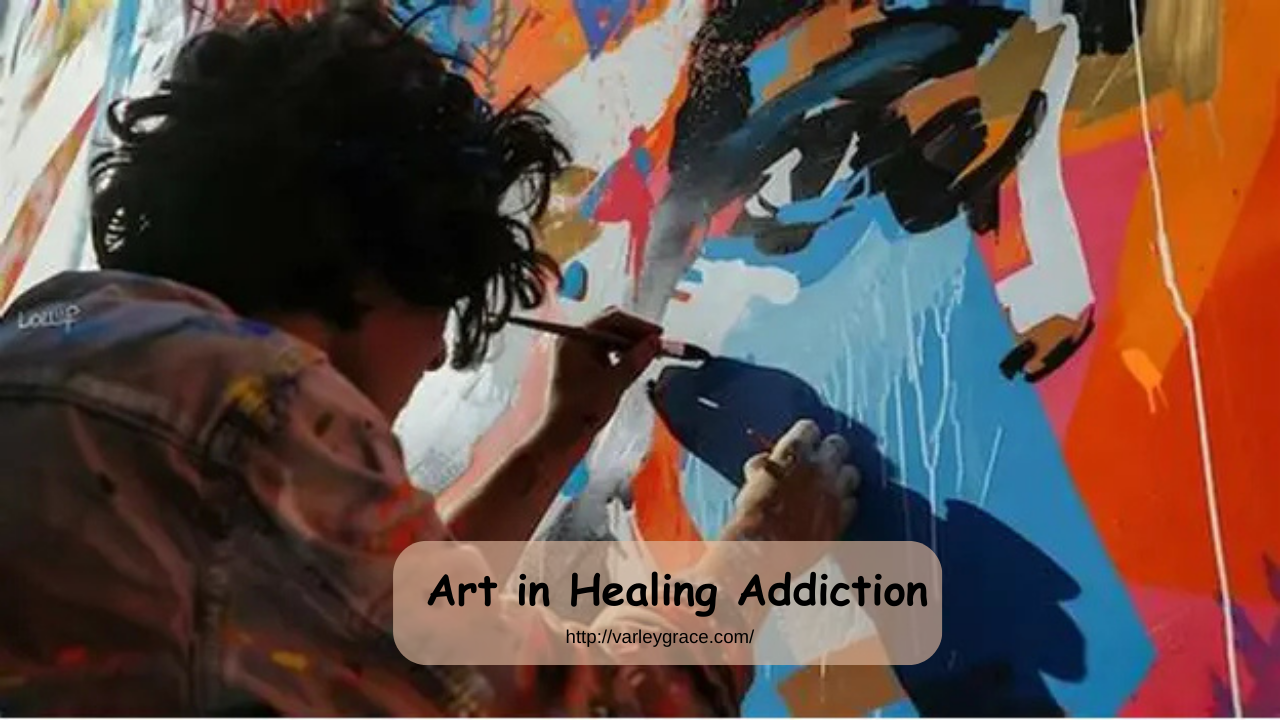
The Role of Art in Healing Addiction

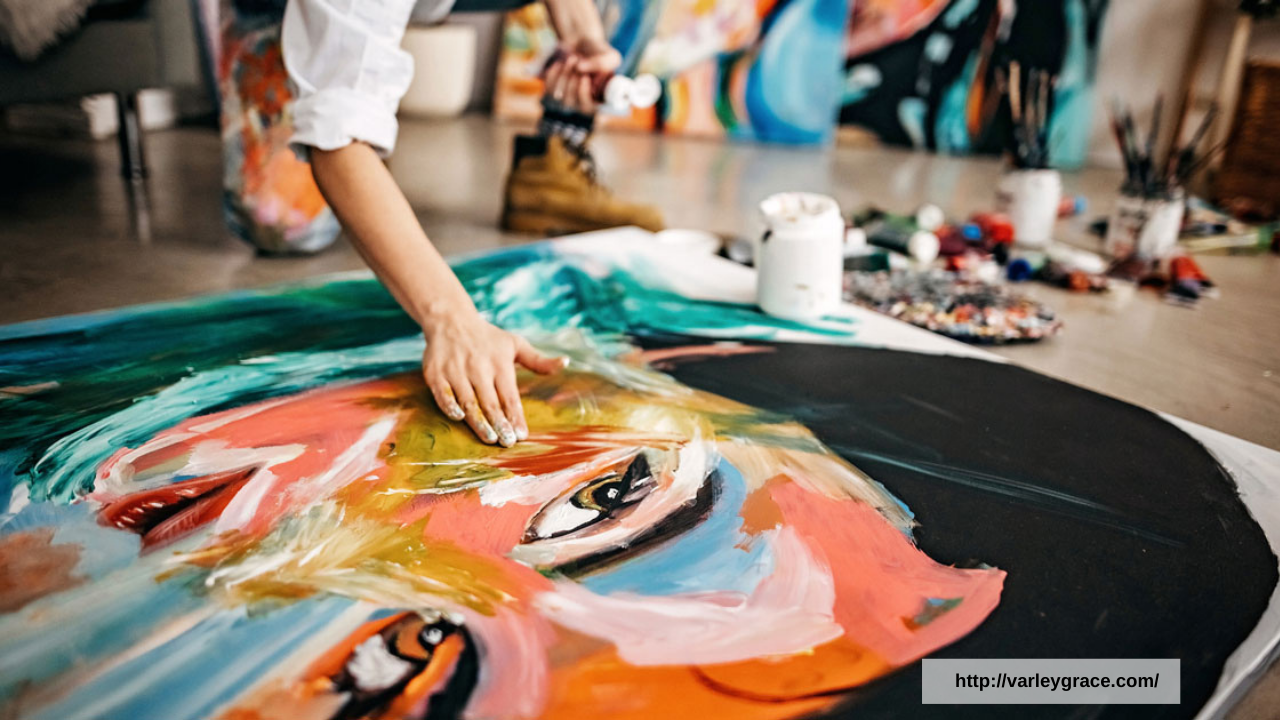
Addiction affects more than the body. It impacts emotions, thought patterns, relationships, and spiritual well-being. Traditional therapy addresses these layers, but art brings an added dimension of healing. A blank canvas can become a safe space to process emotions, reduce stress, and imagine a brighter future.

Expression Without Words

For many in recovery, putting painful emotions into words is difficult. Painting provides a nonverbal language where feelings can flow freely. Colors, shapes, and brushstrokes often communicate what words cannot. This process helps release suppressed emotions and opens the door to deeper self-understanding.


Emotional and Spiritual Benefits of Painting in Recovery

Building Mindfulness and Calm

The act of painting draws the mind into the present moment. Focusing on color and texture encourages mindfulness, which reduces stress and anxiety. This calm is especially valuable for those managing triggers and cravings in early sobriety.

Restoring Identity and Confidence

Addiction often strips away self-worth and a sense of identity. Creating artwork restores a person’s confidence and reminds them of their capacity for growth and beauty. Each finished painting becomes a visual reminder that transformation is possible.

Strengthening Spiritual Renewal

At Varley Grace, faith is an important part of the healing journey. Painting often becomes a way for individuals to reflect on their spiritual walk, express gratitude, or visualize hope. This connection to faith brings strength and resilience as they continue moving forward.


Art as a Path to Connection

Isolation is one of the most painful aspects of addiction. Group art sessions bring people together in a supportive environment where they can share their creations and experiences. This shared vulnerability fosters trust, empathy, and community, all of which are essential in recovery.


Beyond Addiction: Painting a Brighter Future

Recovery is not about erasing the past. It is about transforming pain into purpose and rediscovering light after darkness. Painting supports this process by giving individuals tangible proof of progress and healing. Each brushstroke becomes a step toward resilience, wholeness, and renewal.


Taking the Next Step

From shadows to light, recovery is a journey of courage, faith, and healing. At Varley Grace, we integrate creative therapies like painting into our comprehensive, individualized programs because we know recovery is more than sobriety. It is about building a life filled with hope, strength, and joy.

If you or a loved one is seeking support, reach out to Varley Grace today. Together, we can begin painting a brighter life beyond addiction.
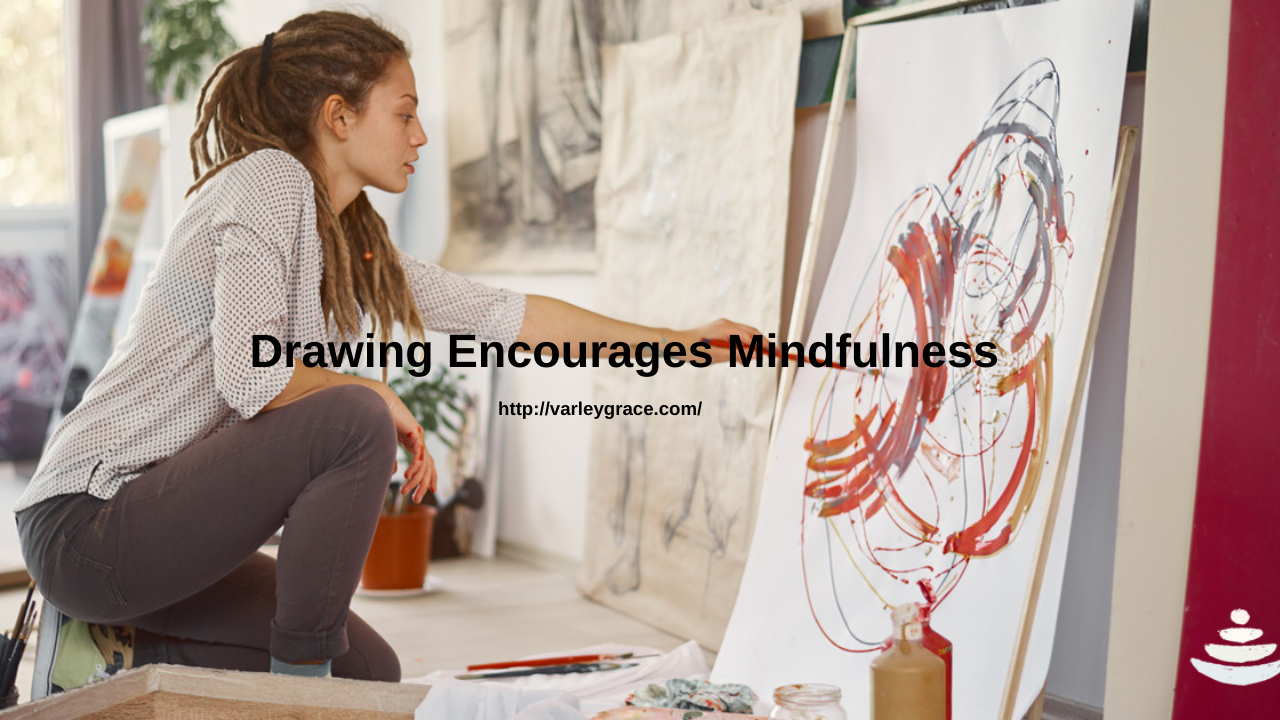
Brushwork and Breakthroughs: How Art Therapy Supports Addiction Recovery

Addiction recovery is not just about breaking free from substances. It is also about healing the mind, restoring the spirit, and finding new ways to cope with life’s challenges. At Varley Grace, we understand that every individual’s journey is unique, which is why our programs combine clinical expertise with holistic, faith-based approaches. One powerful path to healing is art therapy. Through painting, drawing, and creative expression, individuals discover breakthroughs that support lasting sobriety and emotional renewal.


The Role of Art Therapy in Addiction Treatment

Addiction often leaves behind emotional wounds that words alone cannot express. Art therapy provides a safe, nonverbal way to release these feelings and begin processing them in healthier ways. A blank canvas becomes more than a surface for paint. It becomes a space where individuals can express grief, anger, joy, or hope without fear of judgment.

Why Creative Expression Matters

Substance use often masks emotions that feel too painful to confront. Art helps bring these emotions to light in a constructive and healing manner. Each brushstroke offers a step forward, turning unspoken pain into visible progress. Over time, creative expression becomes a powerful coping tool that reinforces resilience and self-discovery.


Emotional and Mental Health Benefits

Reducing Stress and Promoting Mindfulness

Painting or drawing encourages focus on the present moment. This practice of mindfulness is proven to reduce stress and calm the nervous system. For individuals in recovery, this sense of calm can be crucial in managing cravings and preventing relapse.

Rebuilding Identity and Self-Worth

Addiction often robs individuals of their sense of self. Through art, clients rediscover who they are beyond addiction. Completing a painting or drawing instills a sense of pride and accomplishment, reminding them that they are capable of growth and creativity. This restoration of self-worth strengthens the foundation for long-term recovery.

Encouraging Spiritual Reflection

At Varley Grace, faith plays an important role in healing. Art therapy can be a spiritual practice, allowing clients to reflect on their journey with God, visualize forgiveness, and embrace renewal. This spiritual connection reinforces the belief that recovery is not only possible but deeply meaningful.


Building Community Through Creative Healing

Isolation is a common struggle in addiction. Group art therapy sessions create opportunities for connection and support. Sharing artwork with others opens dialogue, builds trust, and reminds participants that they are not alone in their struggles. These shared moments of creativity foster community, a vital component of recovery.


Creating Breakthroughs on the Canvas of Recovery

Every stroke of the brush tells a story of resilience and hope. At Varley Grace, we believe that art therapy is more than a creative outlet. It is a pathway to emotional healing, spiritual growth, and lasting recovery. By combining compassionate care, individualized treatment, and holistic therapies like art, we empower individuals to rebuild their lives with strength and confidence.

If you or a loved one is ready to take the next step toward healing, Varley Grace is here to help. Reach out today and begin your journey toward recovery, where every breakthrough brings you closer to a brighter future.

Drawing New Beginnings: Art as a Tool for Emotional Healing in Sobriety

Recovery is about more than putting substances aside. It is about rebuilding life, finding new ways to cope, and rediscovering hope for the future. At Varley Grace, we believe in holistic and faith-based healing that touches the body, mind, and spirit. One of the most powerful tools in this journey is art. Through drawing and creative expression, individuals in recovery find new ways to process emotions, reduce stress, and create meaningful pathways toward long-term sobriety.


The Power of Creative Expression in Sobriety

Addiction often leaves behind emotional wounds that words alone cannot heal. Shame, grief, and unresolved pain can feel overwhelming and difficult to put into conversation. Drawing provides a safe and nonverbal outlet to release these feelings. A blank page offers freedom. With each line, individuals can express struggles, explore inner conflicts, and begin to reshape their story in a healthier and more hopeful direction.

Why Drawing Feels Different

Unlike traditional talk therapy, drawing does not demand the “right words.” It allows emotions to take shape naturally through color, texture, and movement. This process helps uncover feelings that might otherwise remain buried. For many people in recovery, art becomes a bridge between silence and expression, making it an invaluable part of emotional healing.


Benefits of Art for Mental and Emotional Health

Stress Reduction and Mindfulness

Sobriety often brings moments of restlessness, anxiety, or racing thoughts. Drawing encourages mindfulness by slowing the mind and focusing attention on the present task. This practice reduces stress, lowers tension, and creates a sense of calm that supports ongoing recovery.

Building Self-Worth and Identity

Addiction can erode self-esteem and identity. Drawing gives individuals the opportunity to create something that is uniquely their own. Completing an artwork reinforces confidence and builds a renewed sense of self. This creative progress mirrors the steps of recovery itself: patient, intentional, and deeply personal.

A Pathway to Spiritual Reflection

At Varley Grace, healing is not only clinical but also spiritual. Art provides a way to explore faith, gratitude, and renewal on a personal level. Many clients use drawing as a way to reflect on their journey with God and to visualize hope, forgiveness, and growth.


Art as a Tool for Connection

Isolation is a common challenge in addiction. Group art therapy sessions allow individuals to share their drawings, discuss their emotions, and feel seen in their struggles. This process fosters connection, strengthens empathy, and reminds participants that they are not walking the path of recovery alone.


Conclusion: Sketching a Healthier Future

Sobriety is not only the absence of addiction. It is the presence of healing, growth, and new beginnings. Drawing and other forms of art give individuals the chance to express what words cannot, to discover strength within themselves, and to create a vision of life beyond addiction.

At Varley Grace, we integrate art into our holistic and individualized programs to ensure each person has the tools they need to heal emotionally, mentally, and spiritually. If you or a loved one is ready to begin the journey of recovery, reach out today. A brighter, healthier future is waiting, and with each stroke of the pencil, you can start drawing new beginnings.

The Canvas of Recovery: Using Creative Expression to Heal Addiction

Recovery is not only about breaking free from substances. It is also about rebuilding a sense of purpose, rediscovering identity, and creating a healthier way of living. At Varley Grace, we recognize that every journey to healing is unique, which is why we provide holistic, faith-based, and individualized approaches to care. One of the most powerful yet often overlooked tools in addiction treatment is art. Through painting, drawing, and creative expression, individuals find a safe way to process emotions, strengthen resilience, and begin writing a new chapter of their lives.


Why Creativity Matters in Addiction Recovery

Addiction can silence a person’s voice, making it difficult to express thoughts and emotions in healthy ways. Traditional therapy helps to uncover these struggles, but creative outlets like art add another dimension to healing. A blank canvas becomes more than paper or cloth. It becomes a safe space to release inner pain, explore hidden feelings, and reconnect with the self. For many, this nonverbal form of therapy feels less intimidating and opens the door to deeper emotional growth.

Art as an Emotional Release

Unresolved emotions such as shame, guilt, and grief are often carried into recovery. Left unaddressed, they can increase the risk of relapse. Painting and drawing provide a healthy channel to release these emotions without judgment. Colors, textures, and shapes often reveal what words cannot. By transforming pain into creativity, individuals begin to see that healing is possible.


The Benefits of Art in Healing the Mind and Spirit

Building Mindfulness and Reducing Stress

Creative expression naturally encourages mindfulness. Focusing on brushstrokes or sketching details draws the mind into the present moment, helping to quiet racing thoughts and reduce anxiety. For many in recovery, this practice becomes a grounding tool that promotes calm and emotional balance.

Restoring Identity and Self-Worth

Addiction can strip away a person’s sense of who they are. Art helps restore identity by allowing individuals to create something unique and meaningful. Completing a piece of art builds confidence and reinforces the idea that they are capable of growth, change, and beauty in their lives.

Strengthening Spiritual Connection

At Varley Grace, we integrate faith into healing. Art provides a way for clients to reflect on their spiritual journey, often bringing themes of forgiveness, renewal, and gratitude to life on the canvas. This connection strengthens resilience and supports long-term sobriety.


Art as a Bridge to Community and Support

Isolation is one of the most difficult challenges in recovery. Art therapy in group settings helps individuals share their creations and experiences in a supportive environment. These sessions foster empathy, encourage connection, and remind participants that they are not walking this road alone. Creative expression builds community, and community strengthens recovery.


Creating a Brighter Future

The canvas of recovery is more than a metaphor. It is a living process of turning pain into purpose and struggle into strength. At Varley Grace, we use art as part of our holistic approach to addiction treatment, helping individuals heal not only their bodies but also their minds and spirits.

If you or a loved one is seeking a path to recovery, know that healing is possible. Reach out to Varley Grace today and begin painting a new future filled with hope, resilience, and freedom.

Colors of Sobriety: How Art Helps Rebuild Life After Addiction

Recovery from addiction is more than breaking free from substances. It is about rediscovering purpose, identity, and hope. At Varley Grace, we believe healing requires more than medical care. It calls for holistic, faith-based, and individualized approaches that nurture the mind, body, and spirit. One of the most powerful tools in this process is art. Through painting, drawing, and other creative forms, individuals can process their past, envision their future, and rebuild their lives with purpose.


The Role of Art in Addiction Recovery

Art therapy offers a unique way to address the emotional and psychological wounds caused by addiction. While traditional talk therapy focuses on verbal communication, creative expression allows individuals to explore thoughts and feelings that may be difficult to put into words. This safe, non-judgmental process helps reduce anxiety, improve self-esteem, and encourage self-discovery.

Art as an Emotional Outlet

Many in recovery struggle with unresolved emotions like guilt, grief, or anger. Painting and drawing provide a healthy outlet for these feelings. Color choices, brush movements, and imagery often reveal emotions that have been buried for years. By externalizing these inner experiences, individuals can begin to understand and process them.


Rebuilding Identity Through Creativity

Addiction often robs people of their sense of self. Creative expression helps restore this by giving individuals the freedom to create something that is uniquely theirs. Completing a piece of art, no matter the style or skill level, can bring a sense of accomplishment. It reinforces the belief that life after addiction can be filled with meaning, beauty, and personal growth.

Connecting Mind and Spirit

At Varley Grace, art therapy is not just about making art. It is about aligning creativity with deeper healing. Our faith-based approach encourages clients to reflect on their spiritual journey, often integrating themes of hope, renewal, and gratitude into their work. This connection between creativity and spirituality can provide lasting motivation in the recovery process.


Practical Benefits of Art in Recovery

Stress Reduction and Mindfulness

Creating art promotes mindfulness by drawing attention to the present moment. This focus can calm the nervous system and reduce the stress that often leads to relapse. Painting or drawing encourages slow, deliberate actions that help the mind stay grounded.

Strengthening Coping Skills

In recovery, it is vital to replace destructive coping mechanisms with healthy alternatives. Art can serve as a go-to practice during moments of emotional difficulty. Whether sketching in a journal or spending an afternoon painting, these creative acts provide a safe, productive outlet.


Art as a Bridge to Community

Isolation can be a significant obstacle in recovery. Group art sessions at Varley Grace help clients connect with others who understand their struggles. Sharing artwork fosters empathy, builds trust, and reminds participants they are not alone in their journey.


Conclusion

Sobriety is more than abstaining from substances. It is about creating a new life filled with purpose, hope, and resilience. Art offers a powerful way to navigate this transformation. At Varley Grace, our compassionate team integrates art therapy into holistic, faith-based care to help individuals rediscover their strength and embrace a brighter future.

If you or someone you love is ready to begin this journey, reach out to Varley Grace today. Together, we can turn the blank canvas of recovery into a masterpiece of healing.

Painting Through the Pain: Artistic Paths to Addiction Recovery

Art has the power to transform pain into purpose and help mend both mind and spirit. At Varley Grace this creative transformation supports healing in addiction recovery. Our holistic, faith-based, and individualized care includes art therapy as a key part of emotional healing. In this article we explain how painting and drawing invite individuals to process trauma, build resilience, and reclaim identity in recovery.


Art Therapy as a Healing Companion

Art therapy complements traditional addiction recovery services including inpatient and outpatient care. It offers a non‑verbal way to express emotions that are hard to put into words. Within our programs centralized on mental health treatment, clients explore painting or drawing as a means to externalize shame, guilt, or pain while creating a safe space for reflection. Research confirms art therapy reduces stress hormone levels and promotes emotional regulation.

How Art Supports Emotional Processin

Safe Expression When Words Fail

For many people trauma or grief tied to addiction is difficult to express verbally. Instead of feeling trapped by silence, painting allows clients to communicate through color, shape, and movement. This form of expression bypasses internal defence mechanisms, making it easier to explore difficult feelings.

H3 Identifying Themes and Triggers

As clients create art they begin to notice patterns in their images—recurring symbols, themes, or motifs. These visual cues help both clients and therapists uncover triggers or unresolved trauma that might influence relapse risk. Art therapy supports self-awareness and personal insight.


Building Coping Skills and Resilience

Creating Positive Alternatives

Substance use often served as coping with stress, anxiety, or emotional pain. At Varley Grace our clients learn to channel their feelings into creative outlets instead of destructive behaviours. Painting or sketching becomes a healthy, grounding alternative when cravings arise.

Strength Through the Creative Process

The act of experimenting with art materials and techniques builds flexibility and problem‑solving skills—qualities that support recovery. Facing creative challenges, recovering individuals develop emotional resilience and confidence in their recovery journey.


Rebuilding Identity and Self‑Worth

Exploring art allows clients to rediscover personal strengths and values beyond addiction. Completing a painting or drawing fosters a sense of accomplishment and pride. Over time this process helps reconstruct a positive self-identity rooted in hope and creativity.


Integrating Art Into Holistic and Faith‑Based Care

At Varley Grace we weave art therapy into our individualized treatment plans. Our holistic approach may also include prayer, meditation, counselling, and nature-based activities. Clients are encouraged to reflect on spiritual themes through art, offering deeper meaning and connection.


Supporting Recovery in Community

Group art‑based sessions foster compassionate peer support. Sharing artwork in a safe, non‑judgmental group context helps individuals feel seen, understood, and less isolated. The shared creative experience builds empathy and strengthens accountability.


Conclusion

Art therapy offers more than expression—it offers renewal. Through painting and drawing clients in addiction recovery can process trauma, manage emotions, build coping skills, and strengthen self‑worth. At Varley Grace we provide compassionate, professional support to guide each individual on a creative path toward healing.

If you or a loved one is seeking holistic and faith-based addiction care, consider exploring art therapy with us. Please reach out today to learn how our team can support your journey. You are not alone—and through art, recovery can become a masterpiece of growth, hope, and lasting change.

Lines of Liberation: How Drawing Frees the Mind from Addiction

Addiction is more than a physical dependency—it traps the mind in cycles of craving, shame, and emotional pain. For those in recovery, breaking free from these mental and emotional chains is just as important as quitting the substance itself. Drawing, an accessible and personal form of creative expression, has become a powerful tool in this process. Through sketching lines, shading images, and creating personal artwork, individuals can liberate their minds from the burdens of addiction and rediscover a sense of peace and purpose.

Drawing as a Form of Emotional Release

Many people turn to substances to cope with difficult emotions. When they begin recovery, these feelings often resurface, leaving individuals overwhelmed and vulnerable to relapse. Drawing provides a safe, non-verbal way to release these emotions. It allows individuals to express anger, sadness, fear, or hope without needing to find the perfect words.

With every line drawn on paper, there is an opportunity to let go of emotional tension. Simple sketches can become visual journals, reflecting the highs and lows of the recovery journey. The act of drawing can be soothing, giving the mind a break from intrusive thoughts and helping individuals process feelings that are difficult to express aloud.

Mindful Focus and Stress Reduction

Drawing naturally encourages mindfulness—a practice of paying attention to the present moment without judgment. When someone focuses on the texture of the paper, the movement of the pencil, and the form of the image taking shape, the mind shifts away from past regrets or future worries. This focus brings calm and reduces anxiety, both of which are essential for recovery.

Regular drawing sessions can help individuals establish a mindful routine, teaching them how to slow down and stay present. This practice not only reduces stress but also strengthens mental clarity and emotional resilience, making it easier to handle cravings or difficult moments without turning to substances.

Rebuilding Identity Through Creativity

Addiction often leaves individuals feeling disconnected from their true selves. Drawing can help rebuild a sense of identity by reconnecting people with their creativity and inner voice. Through art, individuals in recovery can rediscover talents, explore new interests, and reflect on who they are beyond addiction.

As they create, they develop a sense of control and accomplishment. Each completed drawing serves as a reminder of their progress and potential. This boost in confidence can be a crucial part of maintaining long-term sobriety.

A Tool for Ongoing Recovery

Drawing is not about producing a masterpiece—it’s about the healing process. It can be practiced anywhere, requiring only simple tools like paper and pencil. This accessibility makes it a sustainable and private way to cope with stress, manage emotions, and reflect on recovery progress.

Conclusion

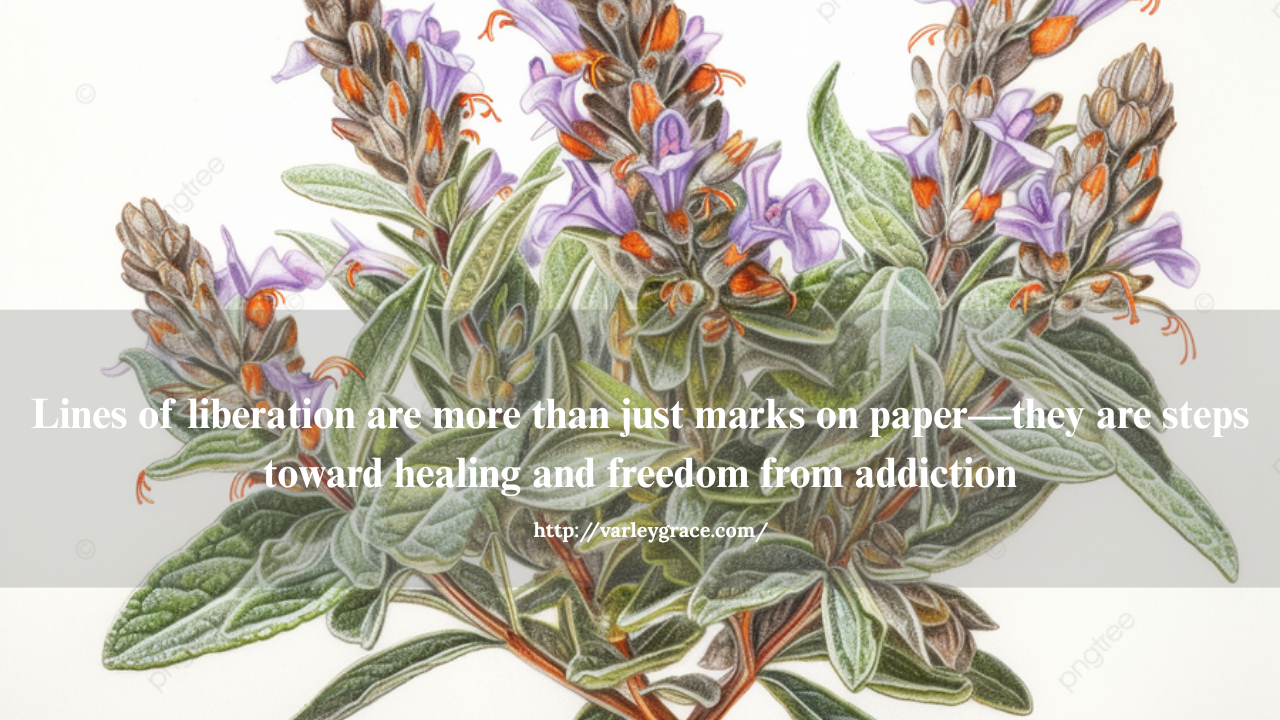
Lines of liberation are more than just marks on paper—they are steps toward healing and freedom from addiction. Through drawing, individuals in recovery can calm their minds, express their emotions, and reconnect with themselves. Each sketch becomes a symbol of resilience, helping to pave the way for a life defined by creativity, growth, and hope rather than addiction.

Sketching a Path to Healing: The Connection Between Art, Mindfulness, and Recovery

Recovery from addiction or mental health struggles is not a one-size-fits-all journey. It involves discovering tools and practices that promote emotional resilience, inner peace, and personal growth. One increasingly recognized and effective approach to healing is the combination of art and mindfulness. Through creative expression, particularly sketching and drawing, individuals can cultivate presence, manage emotions, and support lasting recovery.

Art as a Mindful Practice

Mindfulness is the practice of being fully present in the moment, observing thoughts and feelings without judgment. This state of awareness can be cultivated through various activities, including art. Sketching, in particular, invites a deep level of focus and immersion. The attention to detail required in sketching—from observing lines and shadows to coordinating hand movements—naturally draws the mind into the present.

When individuals engage in sketching mindfully, they experience a form of meditation in motion. This helps quiet the noise of intrusive thoughts, reduces stress, and fosters a sense of calm. In recovery, where anxiety and emotional turbulence are common, this mindful engagement with art can be a grounding and stabilizing force.

Emotional Exploration Through Sketching

Recovery often requires confronting complex emotions such as guilt, shame, fear, and sadness. For many, verbalizing these emotions in therapy can be difficult. Sketching provides an alternative mode of expression, enabling individuals to externalize feelings that might otherwise remain unspoken.

Art becomes a visual language through which the inner world is explored and expressed. Whether drawing abstract shapes that represent tension or sketching personal symbols of strength and hope, individuals begin to process and make sense of their emotional experiences. This creative outlet fosters emotional clarity and provides relief from psychological burden.

Building Confidence and Identity

The process of creating art can be incredibly empowering. Each completed sketch is a tangible reminder of effort, focus, and self-expression. For individuals in recovery, who may struggle with low self-esteem or a fractured sense of identity, this can be transformative.

Through sketching, individuals rediscover their creativity, build confidence, and form a renewed sense of self. Art helps them see that they are more than their struggles—they are creators, thinkers, and healers in their own right. This positive reinforcement strengthens their motivation to stay on the path of recovery.

Creating Routine and Stability

Establishing new, healthy routines is essential in recovery. Incorporating regular sketching sessions into daily or weekly routines provides structure and consistency. This not only replaces old, harmful habits but also creates a sense of purpose and achievement.

Sketching can be done anywhere, with minimal materials, making it an accessible and sustainable practice. Over time, the act of putting pencil to paper becomes a trusted ritual that supports emotional balance and recovery.

Conclusion

Sketching a path to healing is more than a metaphor—it’s a practical and powerful process. By combining the therapeutic benefits of art with the centering practice of mindfulness, individuals in recovery can foster self-awareness, emotional resilience, and inner peace. In each stroke and line, they carve out space for healing, growth, and hope, proving that recovery is not just possible—it’s a work of art in progress.

Art and Sobriety: How Creative Expression Supports Long-Term Recovery

Achieving sobriety is a major milestone, but maintaining it over the long term presents ongoing challenges. Recovery is not just about abstaining from substances; it’s about rebuilding a life filled with purpose, self-awareness, and emotional stability. One powerful and often underutilized tool in this process is creative expression. Through art, individuals in recovery can explore their emotions, rediscover their identity, and cultivate a healthier, more fulfilling life.

Processing Emotions Through Creativity

One of the biggest hurdles in recovery is managing emotions that were previously numbed by substance use. Feelings of guilt, shame, loneliness, and anxiety often surface once sobriety begins. Art offers a safe and non-judgmental outlet to express these emotions. Whether it’s through painting, drawing, sculpting, or collage, the act of creating allows individuals to externalize what’s inside.

This emotional release can be deeply therapeutic. Artistic expression enables individuals to explore their internal world in a way that bypasses the need for words. It can uncover suppressed feelings and provide new perspectives on past experiences, fostering emotional growth and healing.

Reconnecting with Identity and Purpose

Addiction often distorts or erases a person’s sense of identity. Creative expression helps individuals reconnect with who they are beyond their addiction. Art becomes a means of rediscovery, allowing individuals to explore personal interests, values, and talents that may have been overshadowed during active substance use.

As individuals engage in the creative process, they begin to rebuild a sense of self-worth and direction. This renewed sense of identity is crucial for long-term recovery, as it reinforces the idea that life after addiction can be meaningful and enriching.

Fostering Mindfulness and Stress Reduction

Creating art naturally fosters mindfulness—a state of focused awareness on the present moment. This mental state is especially beneficial in recovery, where mindfulness helps individuals manage cravings, cope with stress, and avoid relapse. The concentration required during artistic creation helps quiet the mind, reduce anxiety, and bring a sense of calm.

Many find that engaging in art offers the same benefits as meditation. It provides a healthy way to manage stress and emotions, making it easier to stay grounded and centered during difficult times.

Strengthening Coping Skills and Resilience

The creative process involves experimentation, problem-solving, and perseverance. These are all valuable skills in recovery. Art encourages individuals to try new things, make mistakes, and learn from them—a powerful metaphor for the recovery journey itself.

Through art, individuals learn to face their fears, manage frustration, and take pride in their progress. These coping skills are transferable to other areas of life, helping to build emotional resilience and reduce the likelihood of relapse.

Conclusion

Art and sobriety may seem like unlikely companions, but creative expression is a powerful ally in the recovery journey. By providing a means to process emotions, rebuild identity, reduce stress, and develop essential coping skills, art supports long-term sobriety in a holistic and empowering way. Each painting, drawing, or creative project becomes a testament to the individual’s growth and strength. Through art, those in recovery can not only stay sober but thrive in their new, authentic lives.

Coloring a New Future: How Art Therapy Helps Prevent Relapse

The journey of addiction recovery does not end with detox or rehabilitation; maintaining sobriety is a lifelong process filled with challenges and triggers. One of the most significant hurdles faced by individuals in recovery is the risk of relapse. While traditional therapies like counseling and medication play crucial roles in relapse prevention, art therapy is increasingly recognized as a valuable tool in supporting long-term recovery. Through creative expression, individuals can process emotions, manage stress, and build resilience—all of which are essential for staying on the path of sobriety.

A Constructive Outlet for Emotions

Relapse often occurs when individuals are unable to cope with intense emotions such as anger, sadness, guilt, or anxiety. Art therapy provides a non-verbal outlet to explore and release these feelings in a safe and constructive way. Painting, drawing, and other artistic activities allow recovering individuals to express what they may not yet be able to say out loud.

This form of emotional release can be particularly helpful in early recovery, when emotions can feel raw and overwhelming. Instead of turning to substances to numb pain, individuals can use art to confront and process their feelings, reducing the emotional buildup that often leads to relapse.

Stress Reduction and Emotional Regulation

Stress is a common trigger for relapse. Art therapy engages the brain in a way that promotes relaxation and mindfulness, helping individuals shift their focus from stressors to the present moment. The repetitive motions involved in coloring, sketching, or painting can have a calming effect, similar to meditation.

Practicing art regularly helps build emotional regulation skills. As individuals become more in tune with their emotions through creative expression, they learn to identify and respond to triggers more effectively. Over time, this fosters a greater sense of control and self-awareness—key components in relapse prevention.

Building Confidence and Self-Worth

Addiction often erodes a person’s self-esteem and sense of purpose. Art therapy helps rebuild these by offering tangible evidence of growth and creativity. Completing an artwork, regardless of skill level, instills a sense of achievement and pride.

This boost in confidence can reinforce an individual’s commitment to recovery. As they begin to see themselves as capable, creative, and resilient, their motivation to stay sober strengthens. Art therapy encourages individuals to view themselves not through the lens of past addiction, but as artists shaping a new, hopeful future.

Creating Healthy Habits and Routine

Routine is an essential part of recovery. Art therapy introduces a positive and productive activity that can become part of a daily or weekly schedule. Whether done in a structured group setting or practiced independently, engaging in art regularly fosters discipline and provides a healthy alternative to substance use.

Over time, these creative habits can replace old, destructive patterns. Art becomes not only a tool for healing but a cornerstone of a healthier lifestyle.

Conclusion

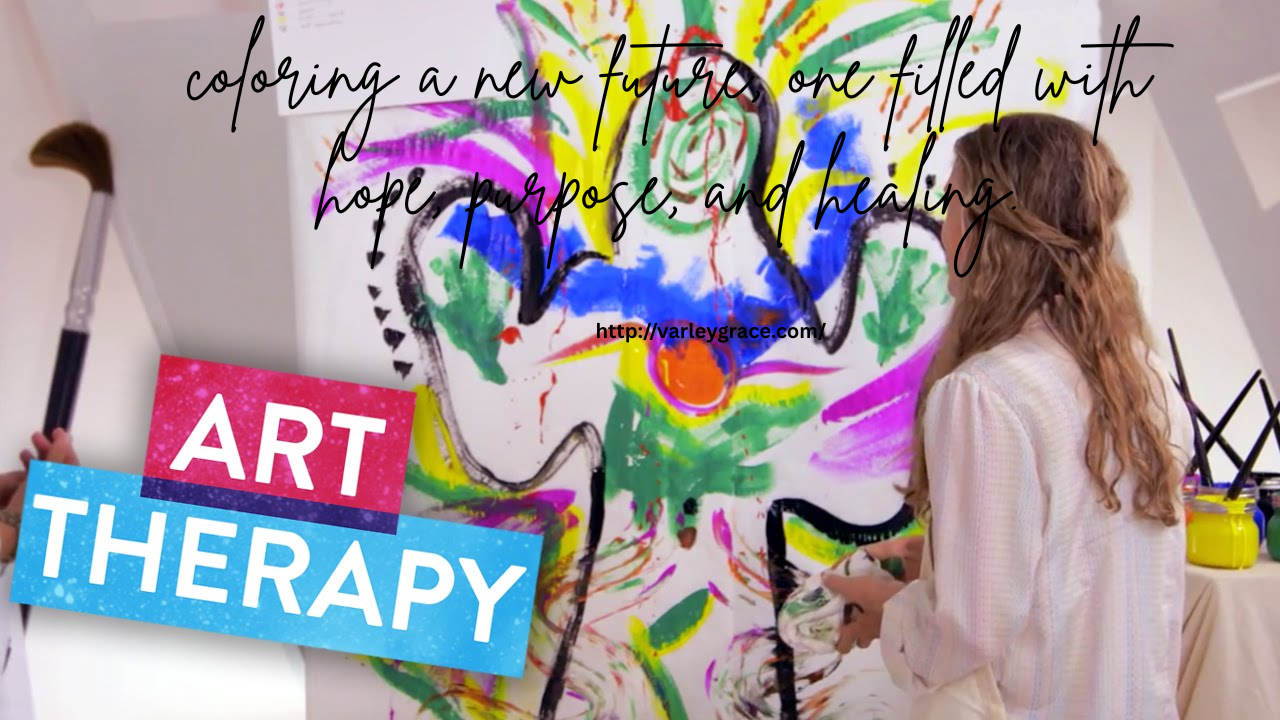
Art therapy offers a powerful, holistic approach to relapse prevention. By providing an outlet for emotional expression, reducing stress, boosting self-esteem, and fostering healthy routines, art helps individuals in recovery build a strong foundation for lasting sobriety. Through every brushstroke or sketch, they are not just creating art—they are coloring a new future, one filled with hope, purpose, and healing.