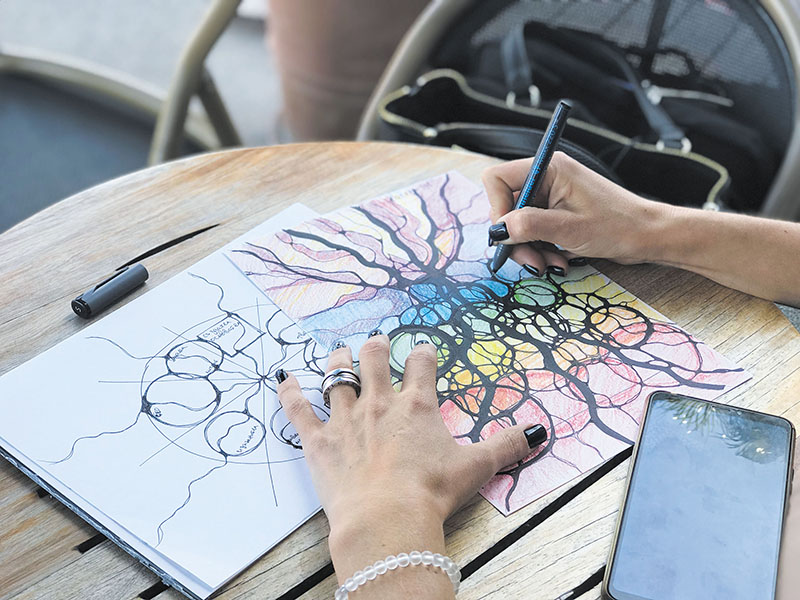
Recovery from addiction and managing mental health challenges is a journey that requires more than clinical treatment. It involves rebuilding emotional resilience, learning healthy coping strategies, and discovering new ways to connect with oneself. At Varley Grace, a holistic, faith-based, and individualized approach ensures clients receive the support they need across all areas of life. One effective and accessible tool in this process is drawing. Through creative expression, individuals can process emotions, reduce stress, and reinforce their commitment to long-term recovery.
The Role of Drawing in Recovery
Expressing Emotions Through Art
Addiction often suppresses the ability to communicate difficult emotions. Drawing provides a safe and nonverbal outlet to explore feelings that may be difficult to articulate. Clients can translate experiences of anxiety, depression, or grief into shapes, lines, and colors, giving form to emotions that might otherwise remain bottled up. This act of expression can release tension, promote self-awareness, and support emotional regulation—essential elements in recovery.
Encouraging Mindfulness and Focus
Engaging in drawing encourages focus on the present moment, which supports mindfulness—a practice proven to aid recovery. Concentrating on pencil strokes, shading, or the composition of a piece draws attention away from intrusive thoughts or cravings. This mindful practice helps reduce stress, improves emotional stability, and strengthens coping mechanisms. Over time, these skills can enhance resilience and support long-term sobriety.
Drawing Techniques That Promote Healing
Journaling with Illustrations
Combining written reflections with sketches allows clients to externalize thoughts and emotions in a creative format. Visual journaling helps identify triggers, track moods, and observe patterns over time, offering insights that can inform therapeutic work.
Mandala and Pattern Drawing
Structured drawing exercises, such as mandalas or repetitive patterns, provide a calming effect and support relaxation. These techniques encourage concentration and a meditative state, helping clients manage anxiety and promote emotional balance.
Freeform Sketching
Freeform drawing encourages spontaneous expression without rules or judgment. This technique allows clients to explore inner experiences and creativity while reinforcing a sense of autonomy and personal identity—both of which are vital in recovery.
Integrating Drawing into Holistic Treatment
At Varley Grace, drawing is incorporated into both inpatient and outpatient care as part of a broader, individualized treatment plan. Creative exercises complement traditional therapy, medication management, and faith-based counseling, addressing the mind, body, and spirit. Group drawing sessions foster connection, empathy, and peer support, while individual sessions provide a private space for self-reflection and emotional processing.
By engaging in art regularly, clients learn healthy coping skills that can be used long after formal treatment ends. Drawing becomes a practical tool to manage stress, prevent relapse, and maintain emotional wellness in everyday life.
Drawing a Path to Wellness
Recovery is a journey of transformation, and drawing offers a powerful way to navigate that path. Through creative expression, clients can visualize emotions, develop mindfulness, and build resilience that supports long-term sobriety and mental health.
At Varley Grace, compassionate, holistic care combines evidence-based treatment with creative practices to help clients heal fully—mind, body, and spirit. If you or a loved one are ready to explore innovative approaches to recovery, reach out to Varley Grace today. Every pencil stroke can bring insight, balance, and a brighter future.