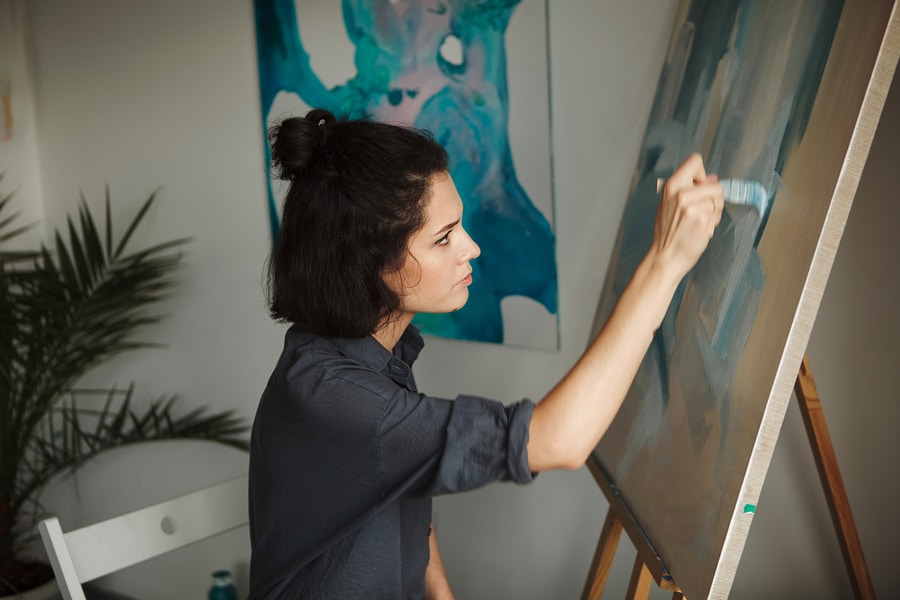
Recovery from addiction and mental health challenges is a journey that requires patience, support, and the right combination of therapies. While counseling, medication, and structured programs are critical, creative expression through drawing and painting offers a complementary path to healing. Art therapy provides individuals with a safe, nonverbal way to explore emotions, process experiences, and reconnect with themselves. At Varley Grace, we incorporate art-based therapies into our holistic, faith-based, and individualized programs to support clients’ mental, emotional, and spiritual well-being.
Understanding Art Therapy in Addiction and Mental Health Recovery
Art therapy is more than creating visually appealing pieces. It is a structured therapeutic approach that encourages self-expression, emotional release, and self-reflection. Many people in recovery struggle to articulate complex feelings such as guilt, shame, or anxiety. Drawing and painting offer a channel to communicate and process these emotions safely, which can reduce stress and enhance overall well-being.
The Benefits of Drawing and Painting in Recovery
Engaging in creative activities provides multiple mental health and recovery benefits. Some of the key advantages include:
- Emotional expression: Art allows individuals to release emotions that may be difficult to express verbally.
- Stress relief: Focusing on colors, shapes, and movement encourages mindfulness, which can lower anxiety and tension.
- Self-discovery: Creative expression often uncovers underlying thoughts, patterns, and feelings that support personal insight.
- Confidence building: Completing a drawing or painting fosters a sense of accomplishment and reinforces self-worth.
These benefits are especially meaningful for individuals navigating both addiction and mental health challenges. Art therapy helps clients build resilience and develop healthier coping strategies.
Integrating Art Therapy Into Holistic Care
At Varley Grace, we offer both inpatient and outpatient programs tailored to each client’s needs. Art therapy is seamlessly integrated into these programs alongside counseling, medical support, and holistic approaches. This ensures that creative expression complements traditional recovery tools, creating a comprehensive and personalized healing experience.
Practical Ways to Incorporate Art in Recovery
Art therapy can be applied in structured sessions or daily personal practice. Practical methods include:
- Art journaling: Use sketching or painting to track emotions, reflect on progress, or express daily experiences.
- Guided creative exercises: Focus on themes like hope, resilience, or gratitude to reinforce positive mental health.
- Group art therapy: Share and discuss artwork in a supportive setting to build connection and reduce isolation.
- Mindful creative exercises: Engage in focused, simple drawing or painting sessions to calm the mind during stressful moments.
Supporting Long-Term Mental Wellness
The benefits of art therapy extend beyond the walls of treatment programs. Individuals who integrate drawing and painting into daily routines often experience improved emotional regulation, enhanced self-awareness, and stronger resilience against triggers. This ongoing practice supports long-term mental wellness and recovery, helping clients maintain balance and purpose in everyday life.
Take the First Step Toward Creative Healing
Recovery is a multifaceted process that calls for compassion, creativity, and professional guidance. Drawing and painting therapy offer practical, meaningful ways to support emotional wellness, foster self-expression, and strengthen coping skills. At Varley Grace, our individualized, holistic approach combines art therapy with comprehensive addiction and mental health treatment to empower clients on their journey toward lasting recovery. Reach out today to learn how creative expression can become a valuable part of your healing journey and help you reconnect with your inner strength.