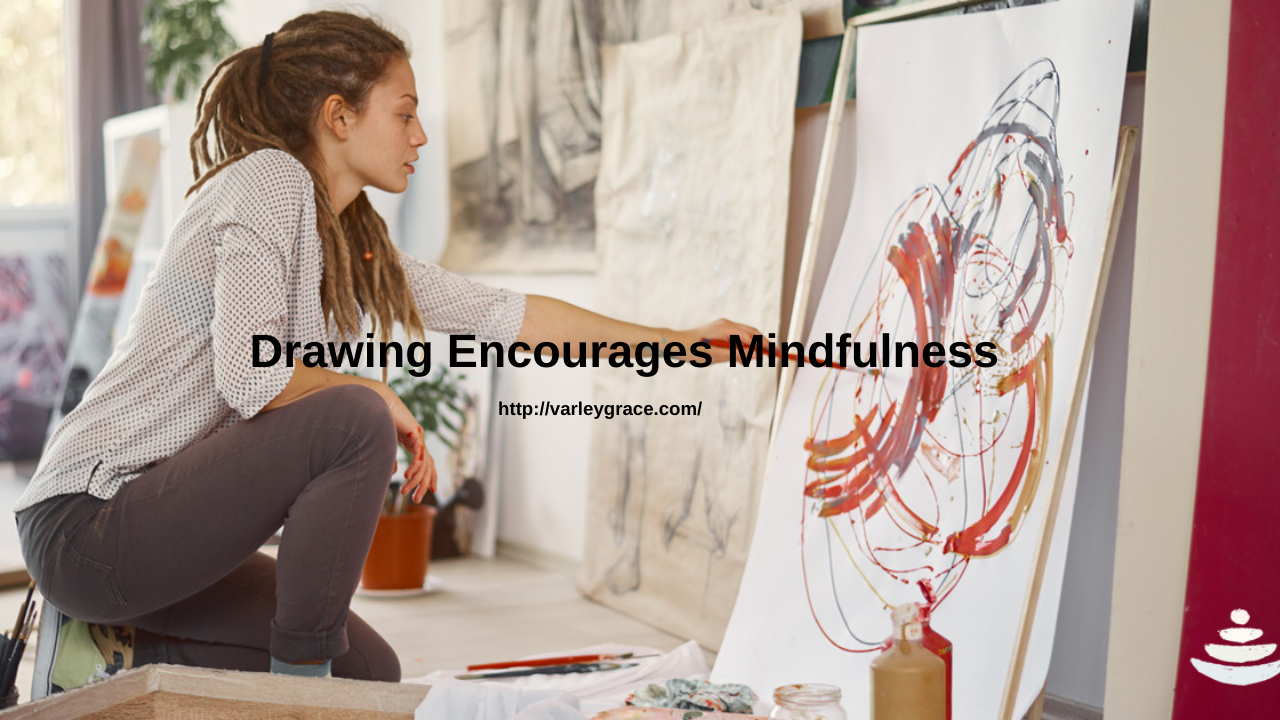
Recovery is about more than putting substances aside. It is about rebuilding life, finding new ways to cope, and rediscovering hope for the future. At Varley Grace, we believe in holistic and faith-based healing that touches the body, mind, and spirit. One of the most powerful tools in this journey is art. Through drawing and creative expression, individuals in recovery find new ways to process emotions, reduce stress, and create meaningful pathways toward long-term sobriety.
The Power of Creative Expression in Sobriety
Addiction often leaves behind emotional wounds that words alone cannot heal. Shame, grief, and unresolved pain can feel overwhelming and difficult to put into conversation. Drawing provides a safe and nonverbal outlet to release these feelings. A blank page offers freedom. With each line, individuals can express struggles, explore inner conflicts, and begin to reshape their story in a healthier and more hopeful direction.
Why Drawing Feels Different
Unlike traditional talk therapy, drawing does not demand the “right words.” It allows emotions to take shape naturally through color, texture, and movement. This process helps uncover feelings that might otherwise remain buried. For many people in recovery, art becomes a bridge between silence and expression, making it an invaluable part of emotional healing.
Benefits of Art for Mental and Emotional Health
Stress Reduction and Mindfulness
Sobriety often brings moments of restlessness, anxiety, or racing thoughts. Drawing encourages mindfulness by slowing the mind and focusing attention on the present task. This practice reduces stress, lowers tension, and creates a sense of calm that supports ongoing recovery.
Building Self-Worth and Identity
Addiction can erode self-esteem and identity. Drawing gives individuals the opportunity to create something that is uniquely their own. Completing an artwork reinforces confidence and builds a renewed sense of self. This creative progress mirrors the steps of recovery itself: patient, intentional, and deeply personal.
A Pathway to Spiritual Reflection
At Varley Grace, healing is not only clinical but also spiritual. Art provides a way to explore faith, gratitude, and renewal on a personal level. Many clients use drawing as a way to reflect on their journey with God and to visualize hope, forgiveness, and growth.
Art as a Tool for Connection
Isolation is a common challenge in addiction. Group art therapy sessions allow individuals to share their drawings, discuss their emotions, and feel seen in their struggles. This process fosters connection, strengthens empathy, and reminds participants that they are not walking the path of recovery alone.
Conclusion: Sketching a Healthier Future
Sobriety is not only the absence of addiction. It is the presence of healing, growth, and new beginnings. Drawing and other forms of art give individuals the chance to express what words cannot, to discover strength within themselves, and to create a vision of life beyond addiction.
At Varley Grace, we integrate art into our holistic and individualized programs to ensure each person has the tools they need to heal emotionally, mentally, and spiritually. If you or a loved one is ready to begin the journey of recovery, reach out today. A brighter, healthier future is waiting, and with each stroke of the pencil, you can start drawing new beginnings.