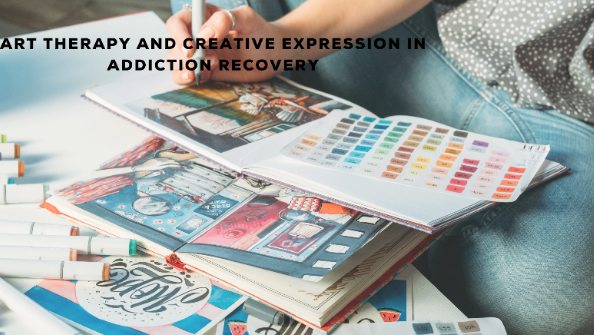
Recovery from addiction is a journey that extends beyond detoxification and therapy. It requires healing the mind, body, and spirit while rebuilding emotional resilience and personal purpose. At Varley Grace, where holistic, faith-based, and individualized care guides treatment, creative art has become a powerful complement to traditional recovery methods. Using painting, drawing, and other art forms, clients gain a safe and expressive outlet to process emotions, develop mindfulness, and reinforce coping strategies essential for long-term sobriety.
The Power of Creative Art in Recovery
Emotional Expression and Release
Many individuals in recovery struggle to articulate complex emotions, whether due to trauma, anxiety, or depression. Creative art provides a nonverbal medium for expression. Colors, textures, and forms become a language that communicates feelings safely, helping clients process emotions that might otherwise remain suppressed. This process can reduce stress, stabilize mood, and improve emotional awareness, all critical for maintaining sobriety.
Mindfulness Through Artistic Practice
Engaging in creative activities encourages focus on the present moment, fostering mindfulness—a key component in relapse prevention. Concentrating on brushstrokes, shading, or sketching patterns helps clients redirect attention from intrusive thoughts or cravings. Mindful art practice promotes calm, clarity, and improved self-regulation, allowing individuals to navigate recovery challenges with greater resilience.
Integrating Art into Holistic and Faith-Based Treatment
Healing the Mind, Body, and Spirit
Varley Grace emphasizes holistic care, addressing the full spectrum of an individual’s needs. Creative art engages the mind intellectually, the body physically, and the spirit emotionally and spiritually. Many clients find that art allows them to explore personal beliefs, gratitude, and hope, connecting their recovery journey to faith and meaning. This integration strengthens emotional and spiritual health, reinforcing long-term recovery.
Building Confidence and Identity
Addiction often diminishes a sense of self. Completing an artwork, whether simple or complex, provides a tangible accomplishment and fosters self-confidence. Creative expression encourages clients to reclaim their identity, explore new interests, and celebrate progress. This renewed sense of self is critical for sustaining motivation and long-term sobriety.
Community and Connection Through Art
Recovery is strengthened in a supportive environment. Group art therapy sessions allow clients to share their creations, connect with peers, and build empathy through shared experiences. These moments of connection cultivate trust and a sense of belonging, which are essential elements in a recovery community. Individual art sessions also offer private opportunities for self-reflection, emotional processing, and spiritual growth.
Making Art a Daily Recovery Tool
Creative expression is not limited to therapy sessions. Clients are encouraged to integrate art into their daily routines as a coping strategy and self-care practice. Journaling, sketching, or painting at home provides ongoing support, promotes mindfulness, and helps manage stressors before they escalate into triggers for relapse.
Beyond the Brush
Art is more than a creative outlet—it is a tool for transformation, reflection, and healing. At Varley Grace, integrating creative expression into holistic, faith-based treatment allows clients to address the mind, body, and spirit while building the skills necessary for long-term recovery.
If you or a loved one are ready to explore innovative approaches to addiction recovery that combine evidence-based care with creative, faith-centered practices, reach out to Varley Grace today. Every stroke, line, and color can be a step toward hope, healing, and a renewed life.