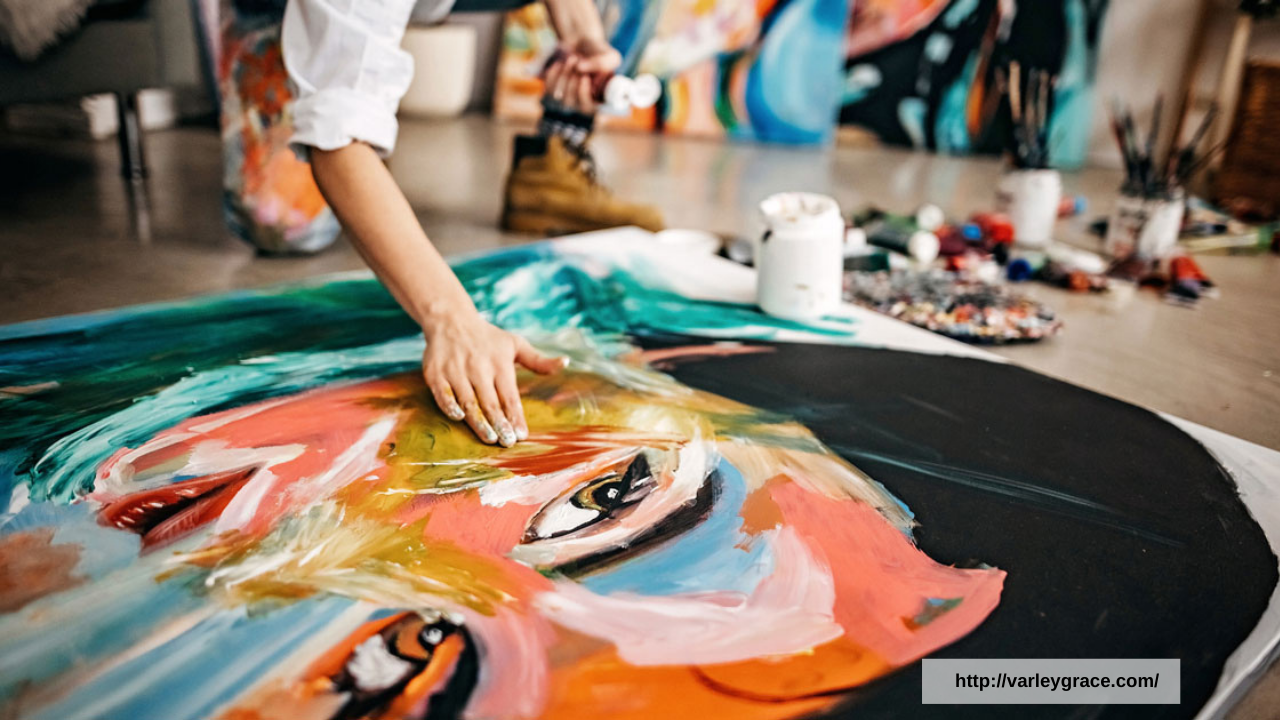
Recovery from addiction is more than breaking free from substances. It is about rediscovering purpose, identity, and hope. At Varley Grace, we believe healing requires more than medical care. It calls for holistic, faith-based, and individualized approaches that nurture the mind, body, and spirit. One of the most powerful tools in this process is art. Through painting, drawing, and other creative forms, individuals can process their past, envision their future, and rebuild their lives with purpose.
The Role of Art in Addiction Recovery
Art therapy offers a unique way to address the emotional and psychological wounds caused by addiction. While traditional talk therapy focuses on verbal communication, creative expression allows individuals to explore thoughts and feelings that may be difficult to put into words. This safe, non-judgmental process helps reduce anxiety, improve self-esteem, and encourage self-discovery.
Art as an Emotional Outlet
Many in recovery struggle with unresolved emotions like guilt, grief, or anger. Painting and drawing provide a healthy outlet for these feelings. Color choices, brush movements, and imagery often reveal emotions that have been buried for years. By externalizing these inner experiences, individuals can begin to understand and process them.
Rebuilding Identity Through Creativity
Addiction often robs people of their sense of self. Creative expression helps restore this by giving individuals the freedom to create something that is uniquely theirs. Completing a piece of art, no matter the style or skill level, can bring a sense of accomplishment. It reinforces the belief that life after addiction can be filled with meaning, beauty, and personal growth.
Connecting Mind and Spirit
At Varley Grace, art therapy is not just about making art. It is about aligning creativity with deeper healing. Our faith-based approach encourages clients to reflect on their spiritual journey, often integrating themes of hope, renewal, and gratitude into their work. This connection between creativity and spirituality can provide lasting motivation in the recovery process.
Practical Benefits of Art in Recovery
Stress Reduction and Mindfulness
Creating art promotes mindfulness by drawing attention to the present moment. This focus can calm the nervous system and reduce the stress that often leads to relapse. Painting or drawing encourages slow, deliberate actions that help the mind stay grounded.
Strengthening Coping Skills
In recovery, it is vital to replace destructive coping mechanisms with healthy alternatives. Art can serve as a go-to practice during moments of emotional difficulty. Whether sketching in a journal or spending an afternoon painting, these creative acts provide a safe, productive outlet.
Art as a Bridge to Community
Isolation can be a significant obstacle in recovery. Group art sessions at Varley Grace help clients connect with others who understand their struggles. Sharing artwork fosters empathy, builds trust, and reminds participants they are not alone in their journey.
Conclusion
Sobriety is more than abstaining from substances. It is about creating a new life filled with purpose, hope, and resilience. Art offers a powerful way to navigate this transformation. At Varley Grace, our compassionate team integrates art therapy into holistic, faith-based care to help individuals rediscover their strength and embrace a brighter future.
If you or someone you love is ready to begin this journey, reach out to Varley Grace today. Together, we can turn the blank canvas of recovery into a masterpiece of healing.