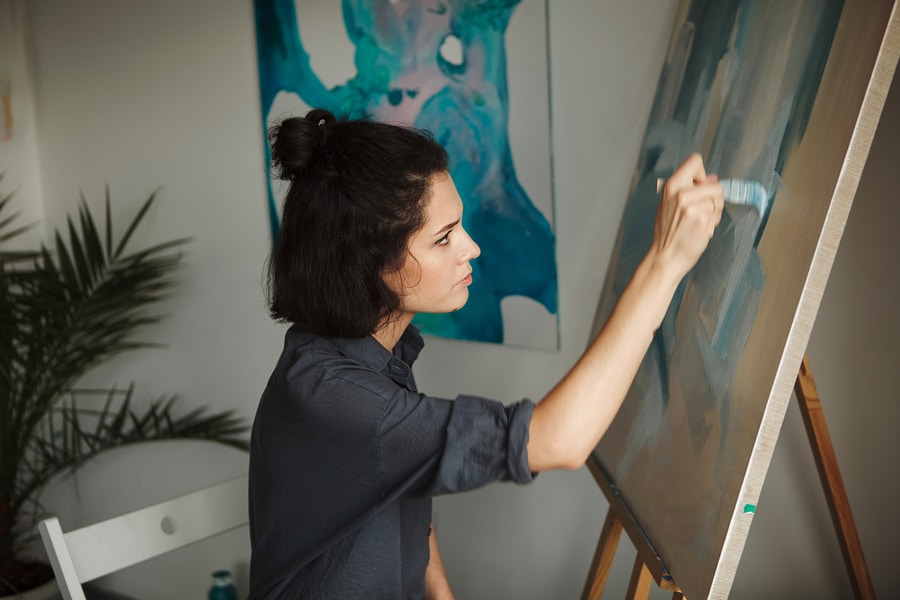
Recovery from addiction is not only about abstaining from substances. It is also about rebuilding the mind, processing complex emotions, and restoring a sense of purpose and identity. While counseling and medical treatment are essential components of recovery, creative therapies such as drawing and painting offer powerful tools for emotional healing. Art therapy provides individuals with a safe and constructive way to explore feelings, manage stress, and develop healthier coping strategies. At Varley Grace, we integrate art-based therapies into holistic, faith-based, and individualized programs to support both mental wellness and long-term sobriety.
Understanding Art Therapy in Addiction Recovery
Art therapy is a structured approach that uses creative expression to facilitate emotional, psychological, and spiritual healing. Unlike traditional talk therapy, art therapy allows clients to express feelings that may be difficult to put into words. For individuals in recovery, drawing and painting can be transformative tools to process trauma, reduce anxiety, and regain a sense of control over their emotional well-being.
The Emotional Benefits of Creative Expression
Engaging in drawing and painting offers multiple benefits for those in recovery, including:
- Emotional release: Art provides a safe outlet for expressing feelings such as fear, sadness, or frustration.
- Mindfulness and focus: Creating art requires attention to detail and presence, which can lower stress and promote relaxation.
- Self-reflection: Art often uncovers insights about thought patterns, triggers, and personal growth areas.
- Confidence and accomplishment: Completing a piece of art fosters a sense of achievement and self-worth, reinforcing progress in recovery.
These benefits support both mental health and the development of long-term strategies to maintain sobriety.
Integrating Art Therapy Into Holistic and Personalized Care
At Varley Grace, every recovery plan is tailored to meet the individual’s unique needs. Art therapy complements mental health counseling, inpatient and outpatient programs, and faith-based practices. By integrating creative expression with clinical and holistic care, clients gain tools to explore emotions safely, practice coping skills, and strengthen resilience.
Practical Ways to Use Art Therapy in Recovery
Art therapy can be implemented both in structured sessions and as part of a daily routine. Some practical approaches include:
- Daily creative journaling: Dedicate time to sketch or paint emotions, experiences, and reflections.
- Guided thematic exercises: Focus on topics like gratitude, hope, or personal strengths to reinforce positive growth.
- Group art sessions: Participate in group activities to share experiences, build support networks, and reduce isolation.
- Mindful drawing or painting: Use simple creative exercises to manage anxiety or stress during difficult moments.
These practices allow clients to maintain emotional balance, process experiences, and reinforce recovery outside formal therapy sessions.
Supporting Long-Term Mental Health and Sobriety
Art therapy is not a replacement for traditional treatment but a powerful complementary tool. Regular engagement in creative practices helps individuals manage emotions, reduce stress, and build resilience against relapse triggers. When combined with Varley Grace’s comprehensive treatment approach, including inpatient and outpatient care, clients experience a holistic recovery that addresses both the emotional and practical aspects of sobriety.
Take the First Step Toward Creative Healing
Recovery is a journey that requires compassion, guidance, and tools that address the whole person. Drawing and painting therapy provide meaningful, practical ways to rebuild the mind, process emotions, and support long-term sobriety. At Varley Grace, we offer individualized programs that integrate art therapy with clinical and holistic care to empower clients on their path to healing. Reach out today to explore how creative expression can become an essential part of your recovery journey and help you rediscover balance, purpose, and hope.