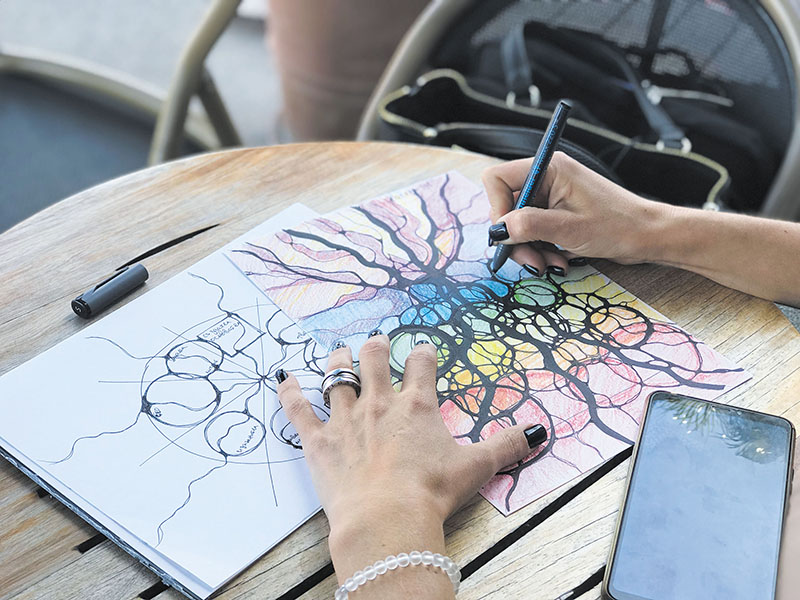
Reclaiming Identity with Art: How Painting and Drawing Aid the Journey of Recovery

Addiction often erodes more than physical health; it can diminish a person’s sense of self, confidence, and purpose. Recovery, therefore, is not only about abstaining from substances but also about rebuilding identity and rediscovering meaning in life. At Varley Grace, a holistic, faith-based, and individualized approach ensures that clients are supported emotionally, mentally, and spiritually throughout their journey. Creative expression through painting and drawing has emerged as a powerful tool in this process, helping individuals reconnect with themselves while promoting emotional healing and long-term recovery.


How Art Supports Emotional and Mental Healing

Expressing the Inexpressible

Many individuals in recovery struggle to communicate complex emotions, whether stemming from trauma, grief, or anxiety. Painting and drawing provide a nonverbal way to process these feelings. By translating emotions into color, form, and texture, clients can explore inner experiences safely and constructively. This release of emotion can reduce stress, promote self-awareness, and help stabilize mood, which is vital for maintaining sobriety and mental health.

Fostering Mindfulness and Focus

Engaging in art requires concentration and presence, fostering mindfulness—a practice that helps individuals regulate emotions and manage triggers. When clients focus on brushstrokes or sketching details, they naturally tune into the present moment, reducing rumination on past events or future worries. This mindful engagement encourages calm, clarity, and a stronger ability to navigate the challenges of recovery.


Rebuilding Identity Through Creative Expression

Rediscovering Personal Strengths

Addiction can strip away confidence and disrupt a sense of identity. Through art, clients can reclaim their individuality and explore new strengths and talents. Completing a painting or drawing fosters accomplishment, pride, and motivation, reinforcing the belief that personal growth and transformation are possible.

Integrating Faith and Purpose

At Varley Grace, faith-based care complements creative practices. Many clients use art to reflect on spiritual beliefs, gratitude, and hope, deepening their sense of purpose and emotional resilience. This integration of creativity and spirituality provides a holistic approach to recovery that nurtures mind, body, and spirit.


Community and Connection Through Art

Art also serves as a bridge to connection. Group art therapy sessions encourage clients to share their work, discuss experiences, and build empathy with peers. These interactions foster trust, belonging, and social support, which are crucial for long-term recovery. Individual sessions allow for private reflection, helping clients process emotions and gain insight into personal challenges and growth.


Incorporating Art Into Daily Recovery

Clients are encouraged to continue creative practices outside formal therapy sessions. Maintaining a sketchbook, experimenting with colors, or participating in community art programs provides ongoing emotional support and a healthy outlet for self-expression. By integrating art into daily routines, individuals strengthen coping skills, manage stress, and cultivate a sense of purpose and fulfillment.


Painting a New Identity

Rebuilding identity is a central aspect of recovery, and painting and drawing offer a tangible, meaningful path to achieve it. Through creative expression, clients at Varley Grace reconnect with themselves, process emotions, and develop mindfulness and resilience.

If you or a loved one are ready to reclaim identity and strengthen the journey of recovery, reach out to Varley Grace today. Every brushstroke and sketch is a step toward healing, growth, and a renewed sense of self.
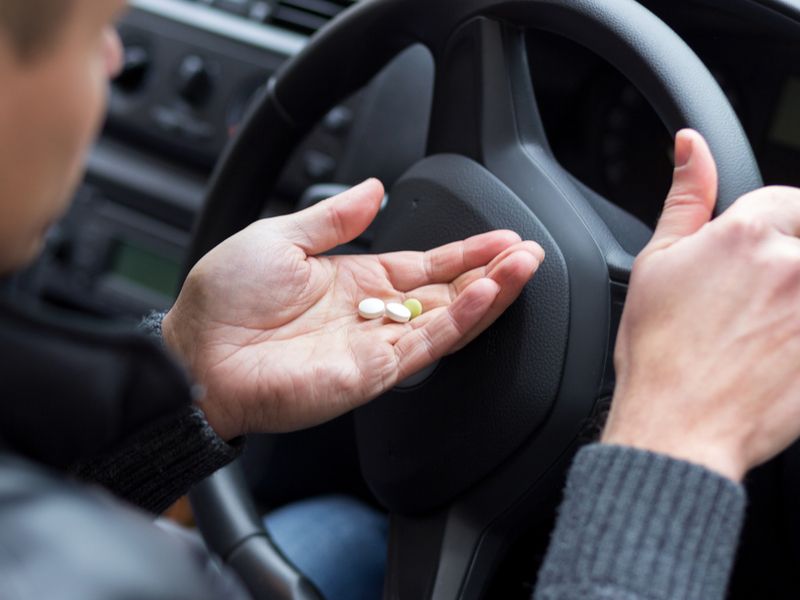
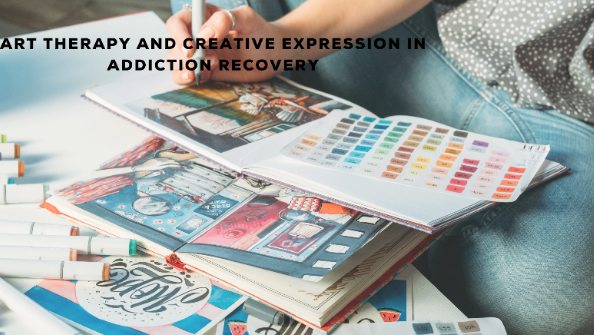
Repeat Drug Driving Offences in the UK: Legal Risks and Recovery Solutions

Repeated drug driving offences in the United Kingdom carry increasingly severe consequences. Beyond fines, driving bans, and criminal records, repeat offenders face higher legal scrutiny and a greater risk of imprisonment. Often, repeated offences indicate underlying challenges with substance use or mental health issues that require more than punitive measures. At Bauer Car Rental UK, we provide professional, compassionate, and individualized support to help those struggling with drug use regain control, address their challenges, and make safer choices for the future.

Understanding the Legal Risks

Escalating Penalties for Repeat Offenders

The UK legal system treats repeat drug driving seriously. While a first-time offence may result in a driving ban of at least 12 months, fines, and potential imprisonment, subsequent offences often carry stricter consequences:

  • Extended driving bans that may exceed several years
  • Larger fines proportional to the severity and frequency of offences
  • Longer prison sentences for repeat violations or cases involving accidents
  • Mandatory rehabilitation courses as part of sentencing

Courts aim to deter risky behaviour and protect public safety, making it essential for repeat offenders to understand the heightened risks they face.

Criminal Records and Life Impact

Each drug driving conviction remains on a criminal record for up to 11 years, affecting employment prospects, travel options, and insurance rates. Repeat offences compound these challenges, often creating barriers to professional advancement and personal stability.

Why Repeat Offences Happen

Substance Use and Mental Health

Repeated drug driving often reflects underlying substance misuse or co-occurring mental health conditions such as depression, anxiety, or trauma. Without addressing these root causes, offenders are at a higher risk of reoffending, despite legal penalties.

Lack of Support Systems

Many individuals facing repeated offences lack access to effective recovery support. Without structured guidance and treatment, they may struggle to break the cycle of drug use and impaired driving.

Recovery Solutions and Support

Holistic and Individualized Treatment

At Bauer Car Rental UK, we understand that recovery is about more than avoiding legal trouble. Our services include:

  • Inpatient and outpatient addiction treatment offering safe and structured recovery pathways
  • Mental health care addressing co-occurring conditions such as anxiety, depression, and trauma
  • Faith-based and holistic therapies promoting emotional, spiritual, and physical wellbeing
  • Personalized care plans tailored to each individual’s circumstances and goals

This approach ensures that individuals receive the support needed to address the underlying causes of repeated drug driving, reducing the risk of future offences.

Court-Mandated Programs

Many repeat offenders are required to participate in rehabilitation programs or drug awareness courses. These courses educate individuals on the risks of drug-impaired driving, provide strategies for managing substance use, and help restore safe driving habits.

Taking Responsibility and Moving Forward

Breaking the cycle of repeat drug driving requires accountability, support, and structured recovery. Legal consequences serve as a deterrent, but lasting change comes from addressing the root causes of substance misuse and mental health challenges. Recovery empowers individuals to make safer decisions, rebuild relationships, and regain stability in their lives.

Conclusion

Repeat drug driving offences in the UK carry significant legal risks, including extended bans, larger fines, and potential imprisonment. However, they also signal an opportunity for recovery and positive change. At Bauer Car Rental UK, our compassionate, professional, and individualized approach helps individuals address substance use and mental health challenges while providing the tools needed to prevent reoffending. If you or a loved one is struggling with repeated drug driving offences, seeking support today can be the first step toward a safer, healthier, and more fulfilling future.

Beyond the Brush: Integrating Creative Art into Holistic, Faith-Based Addiction Care

Recovery from addiction is a journey that extends beyond detoxification and therapy. It requires healing the mind, body, and spirit while rebuilding emotional resilience and personal purpose. At Varley Grace, where holistic, faith-based, and individualized care guides treatment, creative art has become a powerful complement to traditional recovery methods. Using painting, drawing, and other art forms, clients gain a safe and expressive outlet to process emotions, develop mindfulness, and reinforce coping strategies essential for long-term sobriety.


The Power of Creative Art in Recovery

Emotional Expression and Release

Many individuals in recovery struggle to articulate complex emotions, whether due to trauma, anxiety, or depression. Creative art provides a nonverbal medium for expression. Colors, textures, and forms become a language that communicates feelings safely, helping clients process emotions that might otherwise remain suppressed. This process can reduce stress, stabilize mood, and improve emotional awareness, all critical for maintaining sobriety.

Mindfulness Through Artistic Practice

Engaging in creative activities encourages focus on the present moment, fostering mindfulness—a key component in relapse prevention. Concentrating on brushstrokes, shading, or sketching patterns helps clients redirect attention from intrusive thoughts or cravings. Mindful art practice promotes calm, clarity, and improved self-regulation, allowing individuals to navigate recovery challenges with greater resilience.


Integrating Art into Holistic and Faith-Based Treatment

Healing the Mind, Body, and Spirit

Varley Grace emphasizes holistic care, addressing the full spectrum of an individual’s needs. Creative art engages the mind intellectually, the body physically, and the spirit emotionally and spiritually. Many clients find that art allows them to explore personal beliefs, gratitude, and hope, connecting their recovery journey to faith and meaning. This integration strengthens emotional and spiritual health, reinforcing long-term recovery.

Building Confidence and Identity

Addiction often diminishes a sense of self. Completing an artwork, whether simple or complex, provides a tangible accomplishment and fosters self-confidence. Creative expression encourages clients to reclaim their identity, explore new interests, and celebrate progress. This renewed sense of self is critical for sustaining motivation and long-term sobriety.


Community and Connection Through Art

Recovery is strengthened in a supportive environment. Group art therapy sessions allow clients to share their creations, connect with peers, and build empathy through shared experiences. These moments of connection cultivate trust and a sense of belonging, which are essential elements in a recovery community. Individual art sessions also offer private opportunities for self-reflection, emotional processing, and spiritual growth.


Making Art a Daily Recovery Tool

Creative expression is not limited to therapy sessions. Clients are encouraged to integrate art into their daily routines as a coping strategy and self-care practice. Journaling, sketching, or painting at home provides ongoing support, promotes mindfulness, and helps manage stressors before they escalate into triggers for relapse.


Beyond the Brush

Art is more than a creative outlet—it is a tool for transformation, reflection, and healing. At Varley Grace, integrating creative expression into holistic, faith-based treatment allows clients to address the mind, body, and spirit while building the skills necessary for long-term recovery.

If you or a loved one are ready to explore innovative approaches to addiction recovery that combine evidence-based care with creative, faith-centered practices, reach out to Varley Grace today. Every stroke, line, and color can be a step toward hope, healing, and a renewed life.

Visualizing Wellness: Drawing Techniques That Support Addiction Treatment and Mental Health

Recovery from addiction and managing mental health challenges is a journey that requires more than clinical treatment. It involves rebuilding emotional resilience, learning healthy coping strategies, and discovering new ways to connect with oneself. At Varley Grace, a holistic, faith-based, and individualized approach ensures clients receive the support they need across all areas of life. One effective and accessible tool in this process is drawing. Through creative expression, individuals can process emotions, reduce stress, and reinforce their commitment to long-term recovery.


The Role of Drawing in Recovery

Expressing Emotions Through Art

Addiction often suppresses the ability to communicate difficult emotions. Drawing provides a safe and nonverbal outlet to explore feelings that may be difficult to articulate. Clients can translate experiences of anxiety, depression, or grief into shapes, lines, and colors, giving form to emotions that might otherwise remain bottled up. This act of expression can release tension, promote self-awareness, and support emotional regulation—essential elements in recovery.

Encouraging Mindfulness and Focus

Engaging in drawing encourages focus on the present moment, which supports mindfulness—a practice proven to aid recovery. Concentrating on pencil strokes, shading, or the composition of a piece draws attention away from intrusive thoughts or cravings. This mindful practice helps reduce stress, improves emotional stability, and strengthens coping mechanisms. Over time, these skills can enhance resilience and support long-term sobriety.


Drawing Techniques That Promote Healing

Journaling with Illustrations

Combining written reflections with sketches allows clients to externalize thoughts and emotions in a creative format. Visual journaling helps identify triggers, track moods, and observe patterns over time, offering insights that can inform therapeutic work.

Mandala and Pattern Drawing

Structured drawing exercises, such as mandalas or repetitive patterns, provide a calming effect and support relaxation. These techniques encourage concentration and a meditative state, helping clients manage anxiety and promote emotional balance.

Freeform Sketching

Freeform drawing encourages spontaneous expression without rules or judgment. This technique allows clients to explore inner experiences and creativity while reinforcing a sense of autonomy and personal identity—both of which are vital in recovery.


Integrating Drawing into Holistic Treatment

At Varley Grace, drawing is incorporated into both inpatient and outpatient care as part of a broader, individualized treatment plan. Creative exercises complement traditional therapy, medication management, and faith-based counseling, addressing the mind, body, and spirit. Group drawing sessions foster connection, empathy, and peer support, while individual sessions provide a private space for self-reflection and emotional processing.

By engaging in art regularly, clients learn healthy coping skills that can be used long after formal treatment ends. Drawing becomes a practical tool to manage stress, prevent relapse, and maintain emotional wellness in everyday life.


Drawing a Path to Wellness

Recovery is a journey of transformation, and drawing offers a powerful way to navigate that path. Through creative expression, clients can visualize emotions, develop mindfulness, and build resilience that supports long-term sobriety and mental health.

At Varley Grace, compassionate, holistic care combines evidence-based treatment with creative practices to help clients heal fully—mind, body, and spirit. If you or a loved one are ready to explore innovative approaches to recovery, reach out to Varley Grace today. Every pencil stroke can bring insight, balance, and a brighter future.

From Pain to Portraits: How Painting Helps Stabilize Mood and Support Recovery

Recovery from addiction and mental health challenges is a journey that involves more than abstaining from substances. It requires rebuilding emotional resilience, discovering healthy coping strategies, and reconnecting with a sense of purpose. At Varley Grace, where individualized, faith-based, and holistic care guides every aspect of treatment, painting and other forms of creative expression have become invaluable tools for supporting emotional stability and long-term recovery. Through art, clients can transform inner pain into visual expression, gaining clarity, insight, and hope along the way.


The Healing Power of Painting

Expressing Emotions Beyond Words

Addiction and mental health challenges often leave individuals struggling to articulate complex feelings. Painting provides a safe, nonverbal outlet to explore emotions that are difficult to express. Colors, shapes, and brushstrokes become a language of their own, allowing clients to process grief, anxiety, and trauma without judgment. This type of emotional release is critical for stabilizing mood and preventing the emotional triggers that can lead to relapse.

Promoting Mindfulness and Focus

Engaging in painting naturally encourages mindfulness. When clients concentrate on blending colors, creating textures, or shaping a composition, they focus on the present moment. This mindful engagement reduces stress, fosters calm, and strengthens the mind’s ability to regulate emotions. Over time, mindfulness through art can become a daily practice that supports long-term mental and emotional wellness.


Painting as a Tool for Holistic Recovery

Rebuilding Identity and Confidence

Addiction often erodes a person’s sense of self-worth. Through painting, clients rediscover talents, creativity, and personal strengths. Completing a piece of art provides a tangible sense of accomplishment and reminds clients that progress and growth are possible. This renewed sense of identity is essential for sustaining sobriety and emotional stability.

Integrating Faith and Personal Reflection

At Varley Grace, faith is a core component of holistic recovery. Painting can serve as a medium for spiritual reflection, gratitude, and hope. Many clients find that creating art allows them to explore their beliefs and reconnect with a sense of purpose. This spiritual connection further reinforces resilience and strengthens the emotional foundation necessary for lasting recovery.


Community, Connection, and Shared Healing

Recovery thrives in a supportive environment. Group painting sessions create opportunities for clients to share their work, connect with peers, and build empathy through shared experiences. These moments of connection reduce feelings of isolation, improve social support, and contribute to a sense of belonging—an essential factor in long-term recovery.


Incorporating Painting Into Daily Life

Painting does not have to be confined to therapy sessions. Clients are encouraged to integrate creative expression into their daily routines. Keeping a sketchbook, exploring new techniques, or participating in community art programs can provide ongoing emotional support, reinforce coping skills, and serve as a constructive outlet during stressful times.


Transforming Pain into Purpose

Painting offers more than a creative outlet—it is a bridge between inner struggle and emotional healing. Through color, form, and expression, clients at Varley Grace learn to process emotions, stabilize mood, and cultivate resilience. By combining evidence-based treatment with holistic, faith-centered approaches and creative practices, Varley Grace empowers individuals to turn pain into portraits of hope, recovery, and renewed life.

If you or a loved one is seeking compassionate, comprehensive support for addiction or mental health challenges, reach out to Varley Grace today. Every brushstroke is a step toward a brighter, healthier future.