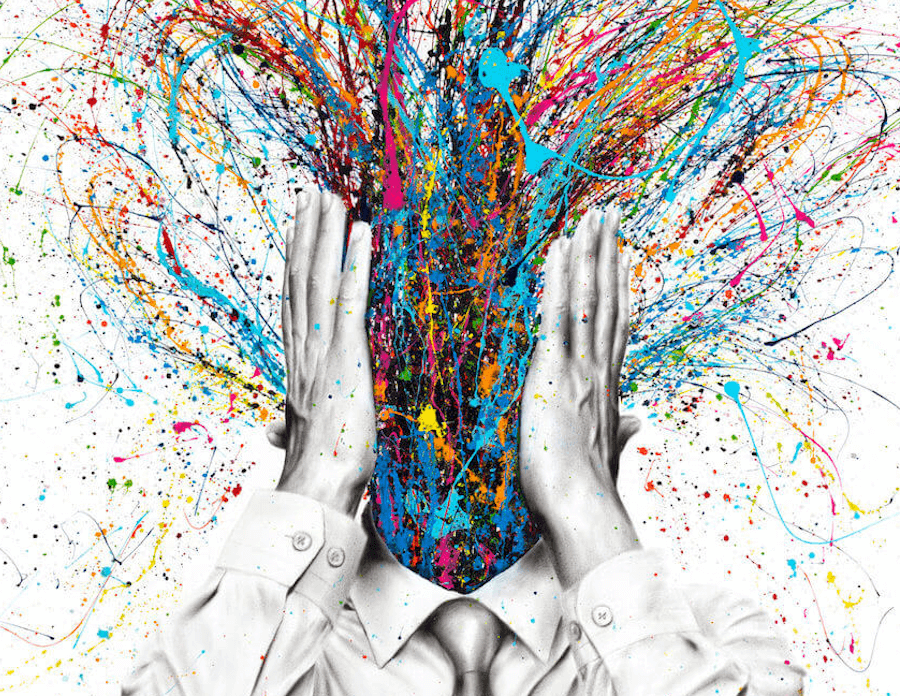
Brushstrokes of Hope: How Creative Expression Reinforces Long-Term Sobriety

Recovery from addiction is a journey that involves more than abstaining from substances. It is a process of rebuilding emotional resilience, rediscovering purpose, and learning healthy ways to navigate life’s challenges. At Varley Grace, we understand that lasting sobriety requires a compassionate, holistic, and individualized approach. One powerful yet often underutilized tool in this journey is creative expression. Painting, drawing, and other art forms offer individuals in recovery a unique way to process emotions, reflect on their experiences, and reinforce long-term sobriety.


The Role of Creative Expression in Recovery

Expressing Emotions Safely

Addiction often masks difficult emotions, leaving individuals feeling disconnected from themselves and others. Creative expression provides a safe outlet to explore these emotions. When clients paint or draw, they translate complex feelings into visual form, allowing for release and self-understanding without judgment. This nonverbal communication helps reduce stress, manage anxiety, and build emotional intelligence, which is essential for maintaining sobriety.

Mindfulness Through Art

Engaging in creative practices encourages mindfulness, a proven method to support recovery. Focusing on brushstrokes, colors, and shapes brings attention to the present moment, reducing rumination and promoting calm. This mindful engagement strengthens coping mechanisms, helping individuals navigate triggers and prevent relapse.


Building Confidence and Self-Worth

Reclaiming Personal Identity

Addiction often erodes a person’s sense of self. Through creative expression, clients can rediscover their strengths and talents. Completing a painting or drawing instills a sense of accomplishment, fostering confidence and reinforcing the belief that change is possible. Each artwork becomes a visual reminder of progress, resilience, and hope.

Spiritual and Emotional Growth

At Varley Grace, faith is an integral component of recovery. Artistic practices can be intertwined with spiritual reflection, helping clients explore gratitude, forgiveness, and personal growth. This combination of creativity and spirituality strengthens resilience and supports a holistic healing process, nurturing both emotional and spiritual well-being.


Art as a Community-Building Tool

Recovery thrives in supportive environments. Group art therapy sessions offer opportunities for individuals to share their creations, listen to others, and connect through shared experiences. These moments of vulnerability foster empathy, trust, and a sense of belonging, all of which reinforce long-term sobriety.


Incorporating Creative Practices Into Daily Recovery

Creative expression is not limited to therapy sessions. Many individuals continue to integrate painting, drawing, or journaling into daily routines as a tool for self-reflection and stress management. Consistent engagement with art provides ongoing reinforcement of healthy coping skills, helping individuals navigate challenges while maintaining emotional balance.


Painting a Life of Hope

Recovery is a journey of transformation, and creative expression offers a powerful companion on that path. Through painting and drawing, individuals in recovery can process emotions, strengthen mindfulness, rebuild identity, and deepen spiritual growth.

At Varley Grace, we combine evidence-based treatment with holistic, faith-centered, and individualized care to ensure that clients have the tools they need for lasting recovery. If you or a loved one is ready to explore how creative expression can support sobriety and emotional well-being, reach out to Varley Grace today. Every brushstroke can bring hope, healing, and a brighter future.
Art in Recovery: Using Sketching to Navigate Addiction and Mental Health Challenges

Healing from addiction and managing mental health challenges often require more than traditional talk therapy or medical support. Many individuals need additional tools that help them express emotions, process trauma, and connect with themselves on a deeper level. At Varley Grace, where compassionate, faith-centered, and holistic care guides every treatment plan, creative practices like sketching play an important role in supporting long-term recovery. Drawing offers a safe and meaningful way to explore feelings that may be difficult to verbalize, helping clients find clarity, calm, and renewed purpose in their healing journey.

How Sketching Supports Emotional Healing

A Pathway to Self Awareness

Sketching encourages individuals to slow down, focus, and tune into their internal experiences. For many people in addiction recovery, emotions can feel overwhelming or unfamiliar after years of numbing or avoidance. When clients begin to sketch, they often notice their thoughts and feelings more clearly. The act of placing pencil to paper becomes a grounding experience that helps reduce anxiety and create emotional space for reflection.

This simple creative process also supports mindfulness, which is a core component of many recovery programs. Sketching keeps the mind in the present moment, reducing rumination and helping clients build healthier mental habits. Over time, this mindful awareness leads to better decision making and improved emotional resilience.

Processing Difficult Emotions Safely

Many individuals in recovery struggle with unresolved trauma or painful memories. Sketching offers a nonverbal way to express these experiences without becoming overwhelmed. Instead of speaking about an emotion that feels too heavy, a person can draw shapes, patterns, or imagery that reflect their inner state. This approach helps release emotional tension while also providing important insights for future therapeutic work.

At Varley Grace, art-based practices are integrated with professional mental health treatment to ensure that clients feel supported and understood. Sketching becomes a bridge between internal experiences and meaningful healing.

The Role of Creativity in Holistic and Faith Based Recovery

Connecting the Mind, Body, and Spirit

Varley Grace believes that recovery should nurture every part of a person. Sketching naturally supports this holistic approach by engaging the mind intellectually, calming the body physically, and offering a spiritual sense of expression and renewal. Many clients describe creative work as a peaceful experience that reconnects them with hope, purpose, and faith.

Reducing Stress and Building Healthy Coping Skills

Creative practices help regulate the nervous system, making them valuable tools for managing stress and cravings. When individuals turn to sketching during moments of emotional difficulty, they reinforce a positive and healthy coping strategy. Over time, drawing becomes part of a supportive routine that encourages stability and long term sobriety.

Sketching can also spark a renewed sense of identity. Addiction often takes away one’s sense of self. Artistic expression helps clients rebuild confidence and discover new strengths, interests, and sources of joy.

Integrating Sketching Into Treatment at Varley Grace

Varley Grace offers individualized treatment plans that combine evidence based care with holistic and faith guided support. Sketching is used in both group and individual settings, allowing clients to connect with peers, explore their personal stories, and strengthen their emotional well being.

Clients may sketch during therapy sessions to process insights or use drawing at home as part of a daily self care practice. Whether someone has artistic experience or has never drawn before, everyone can benefit from the emotional freedom and self reflection that sketching provides.

Creating a New Vision for Life

Recovery is a journey of rediscovery, healing, and growth. Sketching helps clients see their progress unfold on paper, reinforcing the belief that change is possible and that each person has the ability to shape a brighter future. Through compassionate guidance, evidence based treatment, and creative expression, Varley Grace supports individuals as they rebuild their lives with strength and hope.

If you or someone you love is ready to take a meaningful step toward recovery, connect with Varley Grace today. A healthier and more hopeful future is within reach, and support is available every step of the way.

Blank Canvas, New Life: Painting as a Tool for Sobriety and Self-Discovery

Rediscovering Yourself Through Art

Recovery is about much more than breaking free from addiction or managing a mental health disorder. It is about rediscovering who you are, healing from within, and finding new ways to express emotions that words alone cannot capture. At Varley Grace, the journey to wellness is guided by compassion, faith, and individualized care that treats the whole person—mind, body, and spirit. Among the many tools that support this healing process, one of the most powerful and often overlooked is art, especially drawing and painting.

Engaging in creative expression allows individuals to explore emotions, relieve stress, and build self-awareness. Through color, shape, and movement, art becomes a language of the soul—helping those in recovery communicate pain, hope, and transformation without fear or judgment.


The Therapeutic Power of Art in Recovery

How Drawing Helps Heal the Mind

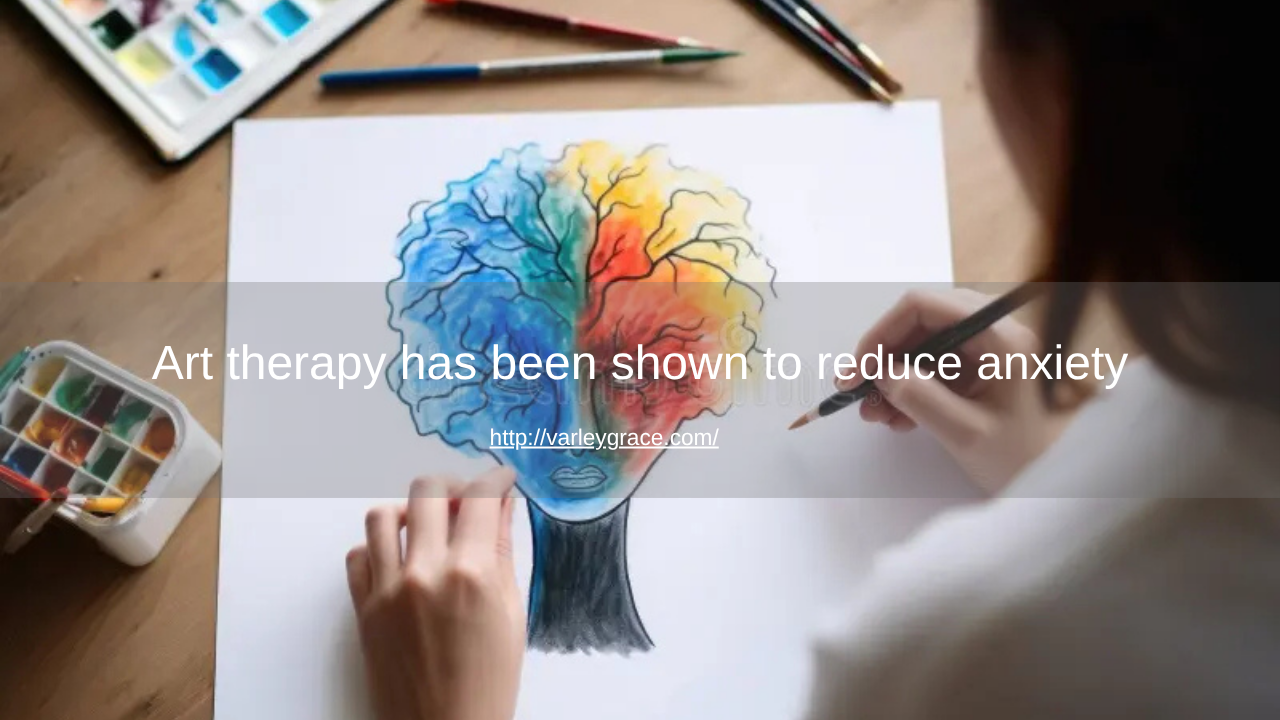
Art therapy has been shown to reduce anxiety, improve mood, and promote mindfulness. When someone struggling with addiction or emotional distress begins to draw, their focus shifts from the chaos of the past to the present moment. Each stroke on the page brings calm and order, fostering a sense of control that may have felt lost during addiction.

Creating art also activates parts of the brain responsible for reward, emotion, and memory. For people recovering from addiction, this helps repair disrupted neural pathways and reinforces healthy coping mechanisms. Instead of seeking comfort through substances, individuals begin to find peace in self-expression and creativity.


Coloring a Path Toward Emotional Balance

Transforming Pain into Purpose

For many in recovery, emotional regulation can be one of the greatest challenges. Drawing provides a safe outlet for these feelings. A blank canvas can absorb anger, grief, or fear, transforming them into something tangible and meaningful. Over time, this process helps individuals make peace with their emotions instead of being overwhelmed by them.

At Varley Grace, art therapy is not about artistic skill. It is about healing through creation. Each session encourages participants to use color and form to process experiences, understand triggers, and express hope for the future. Whether through soft pencil lines or vibrant paint, the act of creating art becomes a spiritual and emotional release—an expression of faith in the possibility of renewal.


Integrating Art into Holistic Treatment

Varley Grace believes that lasting recovery comes from treating the whole person. Alongside evidence-based therapies, faith-based counseling, and structured inpatient and outpatient programs, creative therapies like drawing play a vital role in rebuilding emotional resilience.

Art therapy supports mindfulness, improves communication skills, and nurtures self-confidence. It helps individuals connect with others in recovery, building empathy and understanding through shared experiences. These moments of connection remind clients that they are not alone and that healing is possible with the right guidance and care.


A Brighter Future, One Color at a Time

Healing is a journey, and every step forward matters. Drawing and painting allow individuals to see their progress take form, one line and one color at a time. It is a reminder that recovery is not about perfection but growth—about creating a life filled with meaning, balance, and hope.

At Varley Grace, clients are encouraged to embrace every tool that supports healing, including creativity and faith. If you or someone you love is ready to begin this transformative journey, reach out to Varley Grace today. Together, you can paint a new beginning filled with light, purpose, and lasting recovery.