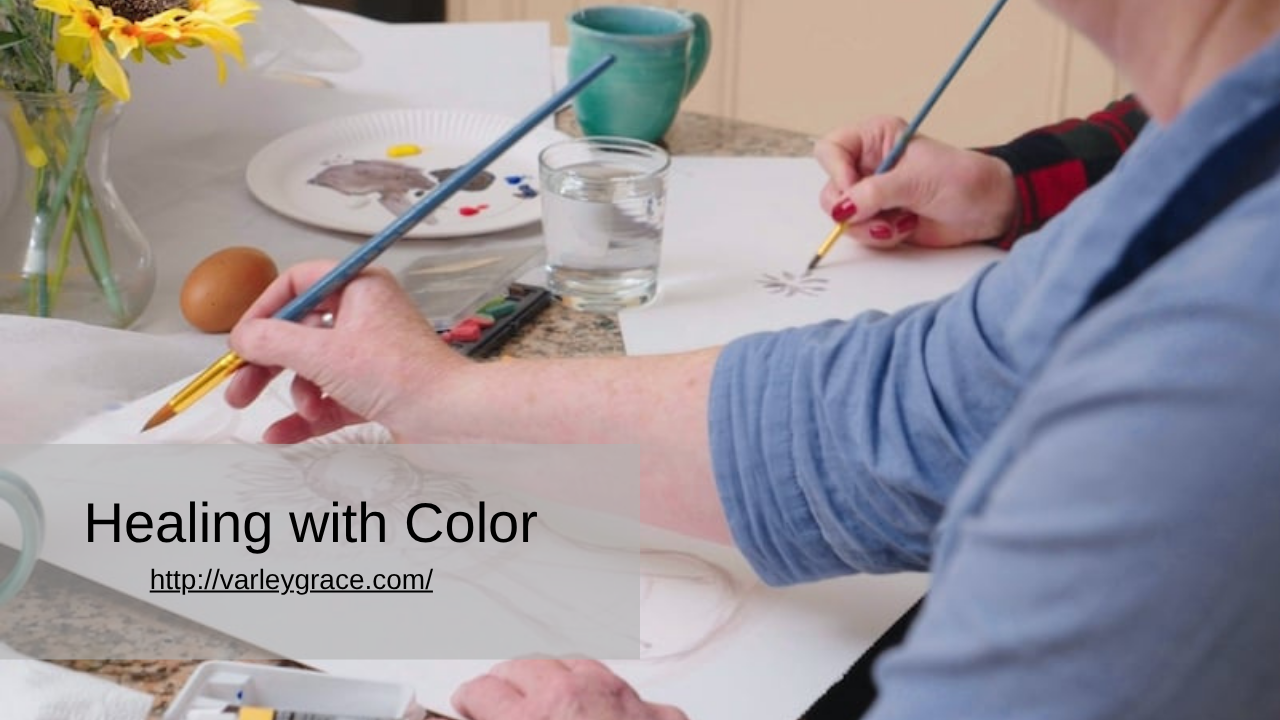
Healing with Color: How Drawing Supports Addiction Recovery and Mental Health

The Connection Between Creativity and Healing

Recovery is not only about breaking free from addiction or managing mental health challenges. It is also about rebuilding identity, rediscovering purpose, and finding peace within. At Varley Grace, where healing is viewed as a whole-person journey, creative expression through art can play a vital role. Drawing and painting offer a safe outlet for emotions that are difficult to express in words, providing a bridge between inner pain and outward healing.

When someone picks up a pencil or brush, they are doing more than creating an image. They are translating emotions, processing trauma, and taking control of their story. This process can be deeply therapeutic, helping individuals reconnect with themselves and find calm amid the chaos of recovery.


The Science Behind Art and Emotional Release

Research shows that artistic expression helps regulate emotions, reduce stress, and stimulate areas of the brain associated with pleasure and reward. For individuals recovering from addiction or mental disorders, this can be transformative. Creating art releases dopamine, a neurotransmitter that supports motivation and emotional balance. In recovery, where the brain’s reward pathways are healing, this natural boost can help rebuild healthy coping mechanisms.

Art therapy also supports mindfulness, grounding individuals in the present moment. Whether it’s focusing on the texture of paint or the rhythm of a pencil stroke, art encourages awareness without judgment. This mindful engagement can help reduce cravings, ease anxiety, and promote self-acceptance.


Using Art in Addiction Recovery Programs

At Varley Grace, holistic healing means addressing the mind, body, and spirit. Art therapy integrates seamlessly into this approach. It complements evidence-based treatments like cognitive-behavioral therapy (CBT), counseling, and faith-based guidance. Through both inpatient and outpatient care, clients can explore drawing and painting as tools for reflection and renewal.

In group settings, art fosters connection and shared healing. Participants often find comfort in knowing that others understand their struggles, even without words. In individual sessions, art can uncover hidden emotions or trauma that may surface during recovery. Every brushstroke becomes a step toward self-understanding and resilience.


Transforming Pain into Purpose

For many in recovery, art becomes a visual diary of transformation. What begins as pain on a page can evolve into hope, strength, and self-discovery. Through color and form, individuals learn that beauty can emerge from brokenness and that healing is not about perfection but progress.

Artistic expression reminds us that recovery is a creative act in itself—a process of rebuilding, redefining, and reimagining life beyond addiction.


A New Canvas Awaits

If you or someone you love is seeking recovery, Varley Grace provides a compassionate environment that embraces both clinical care and creative healing. Here, every individual is seen, heard, and guided toward renewal—mind, body, and spirit.

Discover how art and holistic therapy can help you paint your new beginning. Reach out to Varley Grace today and take the first step toward lasting recovery and emotional freedom.

Mastering Recovery: How Painting and Drawing Transform Addiction Healing

Recovery from addiction is not only about breaking free from substances. It is about rebuilding the mind, rediscovering purpose, and reconnecting with the self. At Varley Grace, we believe that true healing requires more than traditional therapy. It calls for a holistic, faith-based, and creative approach that nurtures both the spirit and the mind. Among the most powerful tools in this journey are painting and drawing—forms of art that can unlock emotions, restore balance, and help individuals master their recovery one brushstroke at a time.


The Transformative Power of Art in Recovery

Addiction often suppresses creativity and self-expression, leaving individuals feeling disconnected and emotionally numb. Painting and drawing help bridge that gap by providing a safe space to express thoughts and feelings that may be too painful or difficult to put into words.

Art as Emotional Release

When words fail, art speaks. The process of creating visual art allows individuals to externalize their emotions. The colors, shapes, and movements of the brush become a language of healing. Through painting or drawing, people in recovery can confront grief, anger, or guilt in a healthy and non-destructive way. This release not only alleviates emotional pressure but also builds emotional intelligence—a vital skill in maintaining long-term sobriety.

Mindfulness Through Creativity

Painting and drawing naturally encourage mindfulness. The focus required to blend colors or sketch details keeps the mind in the present moment. This meditative state helps reduce stress, regulate emotions, and prevent relapse triggers. By engaging the senses and grounding the body in creativity, individuals learn to manage impulses and find calm even during moments of inner turmoil.


Rebuilding Confidence and Identity

One of the greatest challenges in recovery is rebuilding a sense of self. Addiction often erodes identity and self-worth. Art therapy restores both by helping individuals rediscover their unique voice and talents.

Reclaiming Purpose

Each piece of artwork represents progress. The act of completing a drawing or painting reminds clients that they are capable of creation rather than destruction. This realization fosters pride, confidence, and motivation to keep moving forward in sobriety.

Reflecting Faith and Hope

At Varley Grace, our faith-based approach invites clients to connect creativity with spirituality. Many find that painting or drawing becomes a form of prayer, reflection, or gratitude. The creative process becomes a sacred act of renewal—transforming pain into purpose and darkness into light.


Community and Connection Through Art

Healing thrives in connection. Art therapy groups allow individuals to share their work, listen to others’ stories, and find common ground. This sense of belonging reduces isolation, one of the most common relapse risks. Within the Varley Grace community, creative collaboration nurtures empathy, understanding, and shared growth—core components of a lasting recovery.


Bringing Art Into Everyday Recovery

The benefits of artistic expression do not end when treatment does. Many individuals continue to use sketching or painting as part of their ongoing self-care. Whether through journaling with illustrations, creating daily sketches, or joining community art classes, art remains a powerful outlet for managing emotions and maintaining mental balance long after treatment.


Painting a Brighter Path Forward

Recovery is a journey of transformation, and creativity is one of its most powerful tools. Painting and drawing help individuals reclaim their inner strength, rebuild self-worth, and express their truth in ways that words cannot capture.

At Varley Grace, we combine evidence-based treatment with holistic and faith-centered care, offering clients the tools they need to heal fully—body, mind, and spirit. If you or someone you love is ready to begin the journey toward recovery, reach out to Varley Grace today. Together, we can help you master your recovery and create a life that reflects hope, purpose, and freedom.

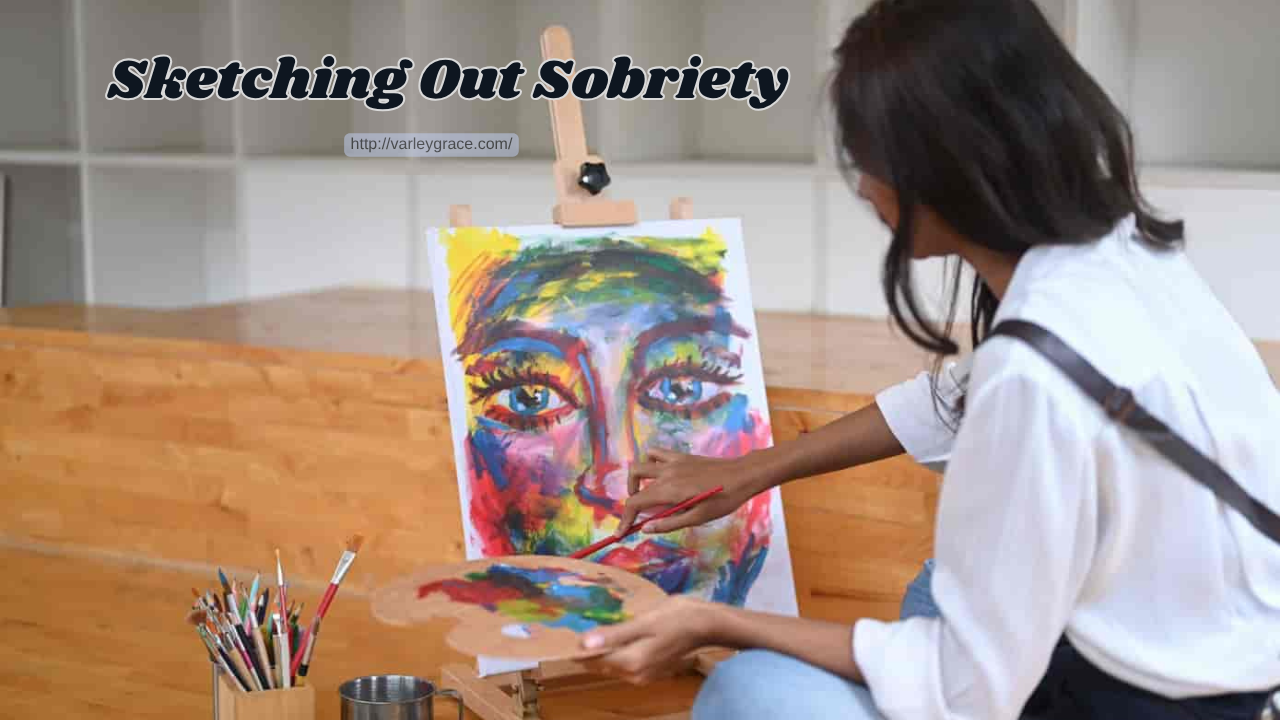
Sketching Out Sobriety: Turning Artistic Expression into a Recovery Practice

Recovery from addiction is a journey that goes beyond simply abstaining from substances. It requires healing the mind, rebuilding emotional resilience, and cultivating new ways to cope with life’s challenges. At Varley Grace, we provide compassionate, holistic, and faith-based treatment designed to support every dimension of recovery. One powerful and often transformative tool in this process is art. By turning artistic expression into a structured recovery practice, individuals can process emotions, build mindfulness, and strengthen their commitment to sobriety.


How Art Supports Emotional Healing in Recovery

Addiction can leave lasting emotional scars, including feelings of shame, guilt, and isolation. While traditional therapy provides space to explore these experiences verbally, art offers a nonverbal outlet. Sketching, painting, and other creative activities give individuals the freedom to express complex emotions safely and constructively.

Expression Without Words

Many people in recovery find it difficult to articulate deep-seated feelings. Artistic expression allows these emotions to emerge visually. Shapes, colors, and lines communicate what words cannot. This process not only helps release emotional tension but also fosters self-awareness and insight into triggers and coping mechanisms.

Mindfulness and Stress Reduction

Engaging in creative practice naturally promotes mindfulness. Focusing on sketching details, blending colors, or planning compositions encourages individuals to stay present. This mindful attention can reduce stress and anxiety, lower the risk of relapse, and enhance overall emotional well-being.


Building Confidence and Personal Identity

Reconnecting With the Self

Addiction often erodes a person’s sense of identity. Through regular art practice, clients rediscover talents, creativity, and strengths they may have forgotten. Completing a piece of artwork reinforces confidence and instills a sense of accomplishment that carries into other areas of life.

A Path to Spiritual Reflection

At Varley Grace, faith is an integral part of healing. Art provides a medium to reflect on personal faith, explore gratitude, and visualize hope. Many clients use creative expression as a spiritual practice, which strengthens resilience and fosters a deeper connection to their values and purpose.


Art as a Community-Building Tool

Isolation can undermine recovery, but group art therapy sessions create opportunities for connection. Sharing artwork in a safe, supportive environment fosters trust, empathy, and mutual encouragement. This shared creative experience helps clients realize they are not alone and strengthens a sense of community essential for sustained sobriety.


Incorporating Art into Daily Recovery

Art does not need to remain confined to therapy sessions. Developing a personal creative routine can provide ongoing support and coping strategies in everyday life. Keeping a sketchbook, experimenting with painting techniques, or joining local art groups allows individuals to integrate mindfulness, emotional release, and self-expression into their long-term recovery plan.


Transforming Sobriety Through Creativity

Recovery is a journey from uncertainty to purpose, and artistic expression offers a powerful tool to navigate that path. At Varley Grace, we integrate art into holistic, individualized treatment plans to help clients heal emotionally, mentally, and spiritually.

If you or a loved one are ready to explore creative ways to support sobriety and embrace a meaningful life in recovery, reach out to Varley Grace today. Together, we can sketch out a brighter, healthier, and more fulfilling future.

The Healing Palette: How Creative Expression Aids in Staying Sober

Sobriety is not just about removing substances from life. It is about finding new ways to heal, cope, and thrive. At Varley Grace, we believe recovery should nurture the body, mind, and spirit, which is why our programs combine clinical excellence with holistic, faith-based, and individualized care. Among the many tools that support lasting recovery, creative expression stands out as a powerful pathway to healing. Painting, drawing, and other forms of art help individuals process emotions, reduce stress, and build a foundation for long-term sobriety.


Why Creative Expression Matters in Recovery

Addiction leaves more than physical consequences. It impacts emotions, relationships, and identity. Traditional therapies address these areas, but art opens a unique door to healing. A palette of colors can express feelings that are hard to put into words. The creative process allows individuals to release emotions safely, discover new perspectives, and see beauty in their journey toward sobriety.

Expression Beyond Words

For many in recovery, talking about painful experiences can feel overwhelming. Art provides a nonverbal outlet where emotions can surface freely. Whether through bold strokes of paint or the gentle shading of a pencil, individuals find ways to communicate their inner world without pressure or fear of judgment.


Emotional and Mental Health Benefits of Art

Stress Relief and Mindfulness

Painting and drawing encourage focus on the present moment. This mindfulness practice quiets anxious thoughts, lowers stress, and fosters calm. For those working to maintain sobriety, this grounding experience can be invaluable in resisting triggers and managing cravings.

Restoring Confidence and Identity

Addiction often leaves people feeling disconnected from who they are. Art offers a chance to rebuild that connection. Each completed piece of artwork represents progress and creativity, reinforcing a sense of self-worth. This renewed confidence supports individuals as they shape new, healthier identities in sobriety.

Supporting Spiritual Growth

At Varley Grace, faith plays a central role in recovery. Art can deepen this spiritual journey by allowing individuals to reflect on themes of forgiveness, gratitude, and renewal. Creative expression often becomes a prayerful practice, helping clients connect more deeply with God as they heal.


Art as a Tool for Connection and Community

Sobriety thrives in environments of support and connection. Group art therapy sessions provide a safe space for sharing, reflection, and encouragement. As participants display their creations and discuss their experiences, they discover empathy, trust, and fellowship. This sense of belonging strengthens recovery and reduces feelings of isolation.


Staying Sober Through Creative Practices

Creative expression does not end when treatment does. Many individuals continue painting or drawing as part of their daily routine, using art to cope with stress, celebrate milestones, or simply reflect on their progress. These practices serve as ongoing reminders that recovery is not only about abstaining from substances but about creating a meaningful and fulfilling life.


A Brighter Life Through Art and Healing

The healing palette is more than a metaphor. It represents the colors of resilience, growth, and hope that emerge in sobriety. At Varley Grace, we integrate creative expression into our holistic approach to ensure that every individual finds tools that resonate with their unique journey.

If you or a loved one is ready to begin the path of recovery, know that healing and transformation are possible. Reach out to Varley Grace today and start painting a brighter, sober future filled with purpose and renewal.