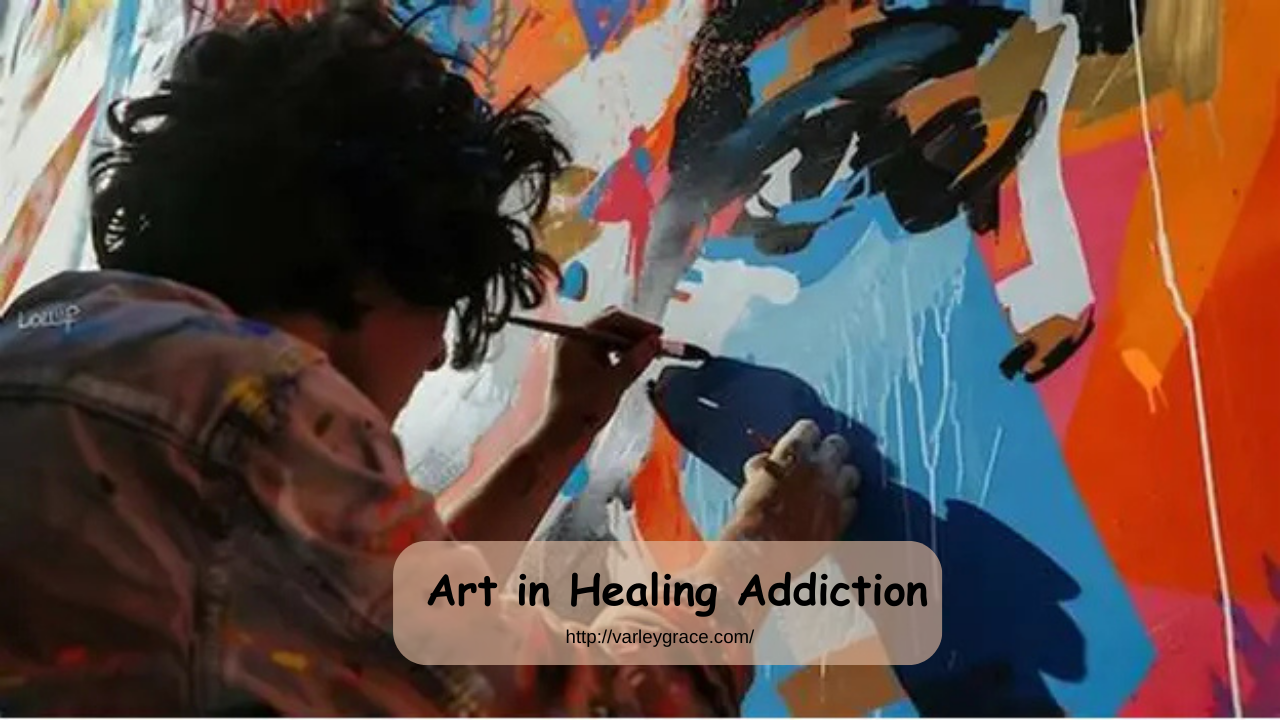
From Shadows to Light: Painting a Brighter Life Beyond Addiction

Addiction can feel like living in shadows, where hope is dim and the future uncertain. Recovery is the process of stepping back into the light, finding strength, and rebuilding a meaningful life. At Varley Grace, we walk alongside individuals on this journey, offering addiction recovery services, mental health support, and holistic, faith-based treatment tailored to each person. One powerful way clients discover healing is through creative expression. Painting and art therapy provide not only a therapeutic outlet but also a pathway to self-discovery, renewal, and long-term sobriety.


The Role of Art in Healing Addiction

Addiction affects more than the body. It impacts emotions, thought patterns, relationships, and spiritual well-being. Traditional therapy addresses these layers, but art brings an added dimension of healing. A blank canvas can become a safe space to process emotions, reduce stress, and imagine a brighter future.

Expression Without Words

For many in recovery, putting painful emotions into words is difficult. Painting provides a nonverbal language where feelings can flow freely. Colors, shapes, and brushstrokes often communicate what words cannot. This process helps release suppressed emotions and opens the door to deeper self-understanding.


Emotional and Spiritual Benefits of Painting in Recovery

Building Mindfulness and Calm

The act of painting draws the mind into the present moment. Focusing on color and texture encourages mindfulness, which reduces stress and anxiety. This calm is especially valuable for those managing triggers and cravings in early sobriety.

Restoring Identity and Confidence

Addiction often strips away self-worth and a sense of identity. Creating artwork restores a person’s confidence and reminds them of their capacity for growth and beauty. Each finished painting becomes a visual reminder that transformation is possible.

Strengthening Spiritual Renewal

At Varley Grace, faith is an important part of the healing journey. Painting often becomes a way for individuals to reflect on their spiritual walk, express gratitude, or visualize hope. This connection to faith brings strength and resilience as they continue moving forward.


Art as a Path to Connection

Isolation is one of the most painful aspects of addiction. Group art sessions bring people together in a supportive environment where they can share their creations and experiences. This shared vulnerability fosters trust, empathy, and community, all of which are essential in recovery.


Beyond Addiction: Painting a Brighter Future

Recovery is not about erasing the past. It is about transforming pain into purpose and rediscovering light after darkness. Painting supports this process by giving individuals tangible proof of progress and healing. Each brushstroke becomes a step toward resilience, wholeness, and renewal.


Taking the Next Step

From shadows to light, recovery is a journey of courage, faith, and healing. At Varley Grace, we integrate creative therapies like painting into our comprehensive, individualized programs because we know recovery is more than sobriety. It is about building a life filled with hope, strength, and joy.

If you or a loved one is seeking support, reach out to Varley Grace today. Together, we can begin painting a brighter life beyond addiction.
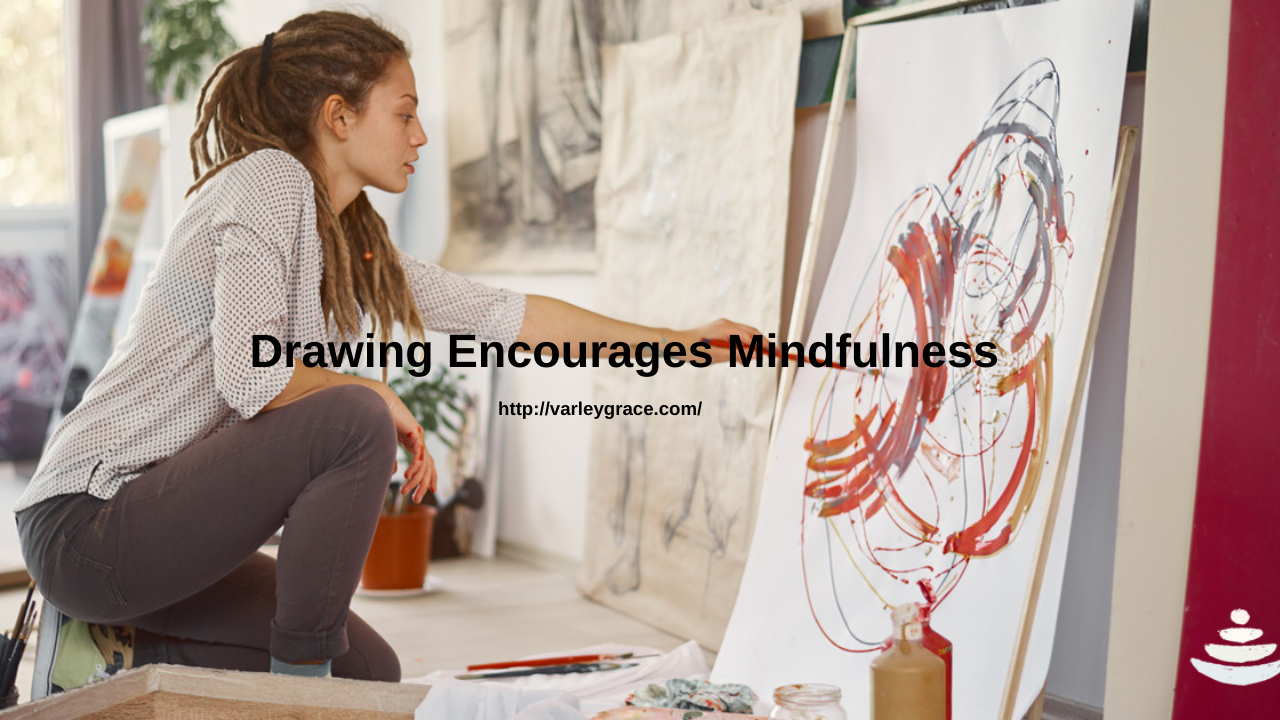
Brushwork and Breakthroughs: How Art Therapy Supports Addiction Recovery

Addiction recovery is not just about breaking free from substances. It is also about healing the mind, restoring the spirit, and finding new ways to cope with life’s challenges. At Varley Grace, we understand that every individual’s journey is unique, which is why our programs combine clinical expertise with holistic, faith-based approaches. One powerful path to healing is art therapy. Through painting, drawing, and creative expression, individuals discover breakthroughs that support lasting sobriety and emotional renewal.


The Role of Art Therapy in Addiction Treatment

Addiction often leaves behind emotional wounds that words alone cannot express. Art therapy provides a safe, nonverbal way to release these feelings and begin processing them in healthier ways. A blank canvas becomes more than a surface for paint. It becomes a space where individuals can express grief, anger, joy, or hope without fear of judgment.

Why Creative Expression Matters

Substance use often masks emotions that feel too painful to confront. Art helps bring these emotions to light in a constructive and healing manner. Each brushstroke offers a step forward, turning unspoken pain into visible progress. Over time, creative expression becomes a powerful coping tool that reinforces resilience and self-discovery.


Emotional and Mental Health Benefits

Reducing Stress and Promoting Mindfulness

Painting or drawing encourages focus on the present moment. This practice of mindfulness is proven to reduce stress and calm the nervous system. For individuals in recovery, this sense of calm can be crucial in managing cravings and preventing relapse.

Rebuilding Identity and Self-Worth

Addiction often robs individuals of their sense of self. Through art, clients rediscover who they are beyond addiction. Completing a painting or drawing instills a sense of pride and accomplishment, reminding them that they are capable of growth and creativity. This restoration of self-worth strengthens the foundation for long-term recovery.

Encouraging Spiritual Reflection

At Varley Grace, faith plays an important role in healing. Art therapy can be a spiritual practice, allowing clients to reflect on their journey with God, visualize forgiveness, and embrace renewal. This spiritual connection reinforces the belief that recovery is not only possible but deeply meaningful.


Building Community Through Creative Healing

Isolation is a common struggle in addiction. Group art therapy sessions create opportunities for connection and support. Sharing artwork with others opens dialogue, builds trust, and reminds participants that they are not alone in their struggles. These shared moments of creativity foster community, a vital component of recovery.


Creating Breakthroughs on the Canvas of Recovery

Every stroke of the brush tells a story of resilience and hope. At Varley Grace, we believe that art therapy is more than a creative outlet. It is a pathway to emotional healing, spiritual growth, and lasting recovery. By combining compassionate care, individualized treatment, and holistic therapies like art, we empower individuals to rebuild their lives with strength and confidence.

If you or a loved one is ready to take the next step toward healing, Varley Grace is here to help. Reach out today and begin your journey toward recovery, where every breakthrough brings you closer to a brighter future.

Drawing New Beginnings: Art as a Tool for Emotional Healing in Sobriety

Recovery is about more than putting substances aside. It is about rebuilding life, finding new ways to cope, and rediscovering hope for the future. At Varley Grace, we believe in holistic and faith-based healing that touches the body, mind, and spirit. One of the most powerful tools in this journey is art. Through drawing and creative expression, individuals in recovery find new ways to process emotions, reduce stress, and create meaningful pathways toward long-term sobriety.


The Power of Creative Expression in Sobriety

Addiction often leaves behind emotional wounds that words alone cannot heal. Shame, grief, and unresolved pain can feel overwhelming and difficult to put into conversation. Drawing provides a safe and nonverbal outlet to release these feelings. A blank page offers freedom. With each line, individuals can express struggles, explore inner conflicts, and begin to reshape their story in a healthier and more hopeful direction.

Why Drawing Feels Different

Unlike traditional talk therapy, drawing does not demand the “right words.” It allows emotions to take shape naturally through color, texture, and movement. This process helps uncover feelings that might otherwise remain buried. For many people in recovery, art becomes a bridge between silence and expression, making it an invaluable part of emotional healing.


Benefits of Art for Mental and Emotional Health

Stress Reduction and Mindfulness

Sobriety often brings moments of restlessness, anxiety, or racing thoughts. Drawing encourages mindfulness by slowing the mind and focusing attention on the present task. This practice reduces stress, lowers tension, and creates a sense of calm that supports ongoing recovery.

Building Self-Worth and Identity

Addiction can erode self-esteem and identity. Drawing gives individuals the opportunity to create something that is uniquely their own. Completing an artwork reinforces confidence and builds a renewed sense of self. This creative progress mirrors the steps of recovery itself: patient, intentional, and deeply personal.

A Pathway to Spiritual Reflection

At Varley Grace, healing is not only clinical but also spiritual. Art provides a way to explore faith, gratitude, and renewal on a personal level. Many clients use drawing as a way to reflect on their journey with God and to visualize hope, forgiveness, and growth.


Art as a Tool for Connection

Isolation is a common challenge in addiction. Group art therapy sessions allow individuals to share their drawings, discuss their emotions, and feel seen in their struggles. This process fosters connection, strengthens empathy, and reminds participants that they are not walking the path of recovery alone.


Conclusion: Sketching a Healthier Future

Sobriety is not only the absence of addiction. It is the presence of healing, growth, and new beginnings. Drawing and other forms of art give individuals the chance to express what words cannot, to discover strength within themselves, and to create a vision of life beyond addiction.

At Varley Grace, we integrate art into our holistic and individualized programs to ensure each person has the tools they need to heal emotionally, mentally, and spiritually. If you or a loved one is ready to begin the journey of recovery, reach out today. A brighter, healthier future is waiting, and with each stroke of the pencil, you can start drawing new beginnings.