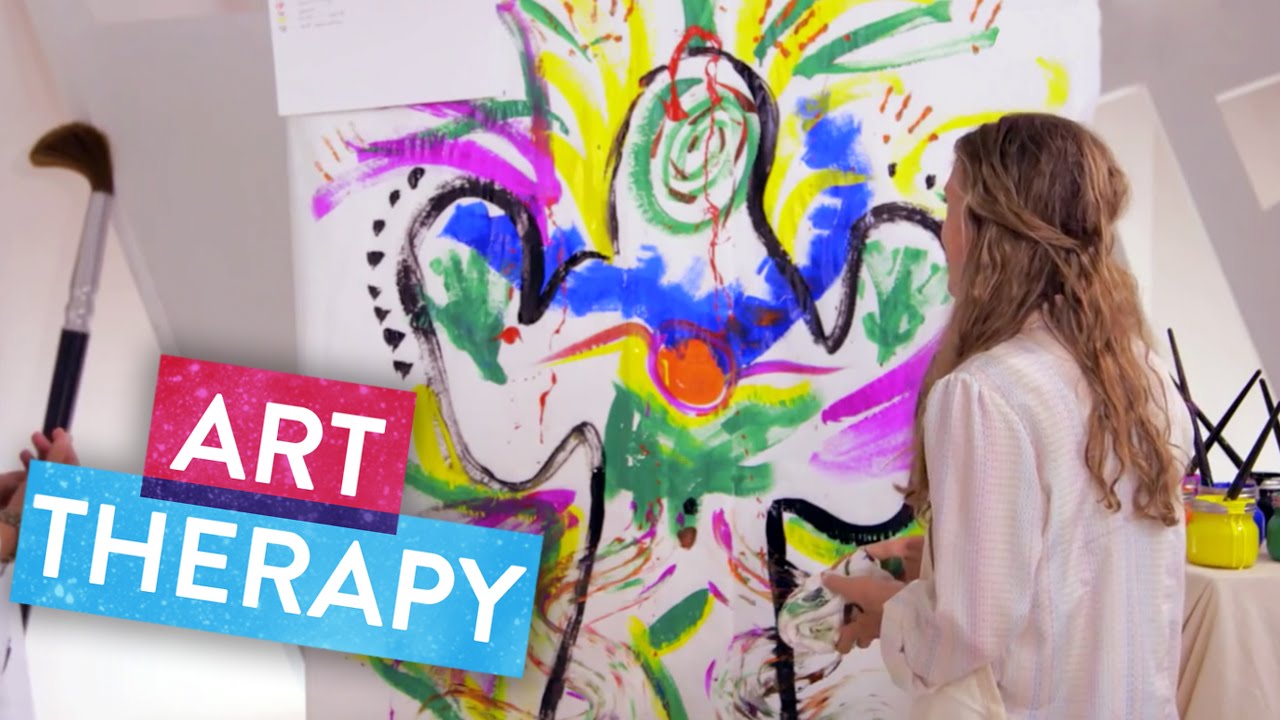
Recovery from addiction and mental health challenges is not a linear process. It is a journey that involves emotional healing, self discovery, and rebuilding resilience one step at a time. While clinical treatment, counseling, and structured programs form the foundation of care, many individuals benefit from additional tools that support emotional expression and inner stability. Art therapy, especially through drawing and painting, offers a powerful way to transform confusion into clarity. At Varley Grace, we integrate creative expression into our holistic, faith-based, and individualized treatment programs to help clients strengthen recovery from the inside out.
Understanding Art Therapy in Addiction and Mental Health Recovery
Art therapy is a therapeutic practice that uses creative expression to support emotional and psychological healing. For individuals in recovery, it provides a safe space to explore feelings that may be difficult to express through words alone. Emotions such as shame, grief, anger, and fear often surface during recovery, and without healthy outlets, they can become overwhelming.
Drawing and painting allow these emotions to take form visually, creating distance from distress while encouraging reflection and understanding. This process helps individuals move from emotional chaos toward clarity and self awareness.
Why Creative Expression Builds Emotional Strength
Engaging in art therapy supports mental wellness in several meaningful ways:
- Encourages emotional release in a safe and structured environment
- Reduces stress by promoting mindfulness and focused attention
- Improves emotional regulation and self awareness
- Strengthens problem solving skills through creative thinking
- Builds confidence through visible progress and accomplishment
These benefits are especially important for individuals working through addiction recovery and co-occurring mental health conditions.
From Emotional Turmoil to Mental Clarity
One of the most powerful outcomes of art therapy is the shift from emotional overwhelm to clarity. When individuals create art, they externalize internal experiences. This allows them to observe their thoughts and feelings from a new perspective. Instead of being consumed by emotions, they begin to understand them.
This shift is essential in recovery. Clarity supports better decision making, healthier coping strategies, and stronger emotional resilience.
The Role of Mindfulness in Art Therapy
Drawing and painting naturally encourage mindfulness. As individuals focus on color, shape, and movement, the mind becomes anchored in the present moment. This reduces rumination and helps interrupt negative thought patterns that can contribute to relapse or emotional distress.
Over time, mindfulness practiced through art can improve overall mental stability and emotional balance.
Integrating Art Therapy into Holistic Care at Varley Grace
At Varley Grace, we believe recovery is most effective when it addresses the whole person. Our inpatient and outpatient programs combine evidence based addiction treatment, mental health care, and holistic approaches designed to meet each client’s unique needs. Art therapy is an important part of this model because it supports emotional expression and personal insight in a gentle and accessible way.
Creative therapy sessions are guided by trained professionals who help clients explore themes such as healing, identity, and resilience. This allows individuals to process experiences while developing healthier emotional responses.
Practical Ways Art Supports Recovery
Art therapy can be integrated into treatment and daily life in several practical ways:
- Journaling through sketches or visual storytelling to track emotional growth
- Themed art exercises focused on recovery milestones or personal strengths
- Group creative sessions that build connection and reduce isolation
- Independent art practice used as a coping tool during stressful moments
These practices help reinforce skills learned in therapy and support ongoing emotional regulation.
Building Resilience Through Creative Healing
Resilience is the ability to adapt and recover from challenges. In addiction and mental health recovery, resilience is essential for long term success. Art therapy strengthens resilience by helping individuals process setbacks, explore emotions, and reconnect with personal strengths.
Each creative session becomes an opportunity to practice patience, self compassion, and persistence. Over time, this builds emotional endurance and a stronger sense of identity beyond addiction or mental health struggles.
Conclusion: Finding Clarity Through Creativity
The journey from addiction and emotional distress to recovery is deeply personal. It requires tools that support healing on every level, including emotional, mental, and spiritual well being. Art therapy offers a meaningful way to move from internal chaos to clarity, helping individuals understand themselves and build lasting resilience.
At Varley Grace, we are committed to providing compassionate, individualized care that supports real and sustainable healing. Through a combination of clinical treatment, holistic practices, and creative expression, we help clients rediscover stability and purpose. If you or someone you love is seeking support, reach out today to learn how art therapy can become a powerful part of your recovery journey and help you move from canvas to clarity.