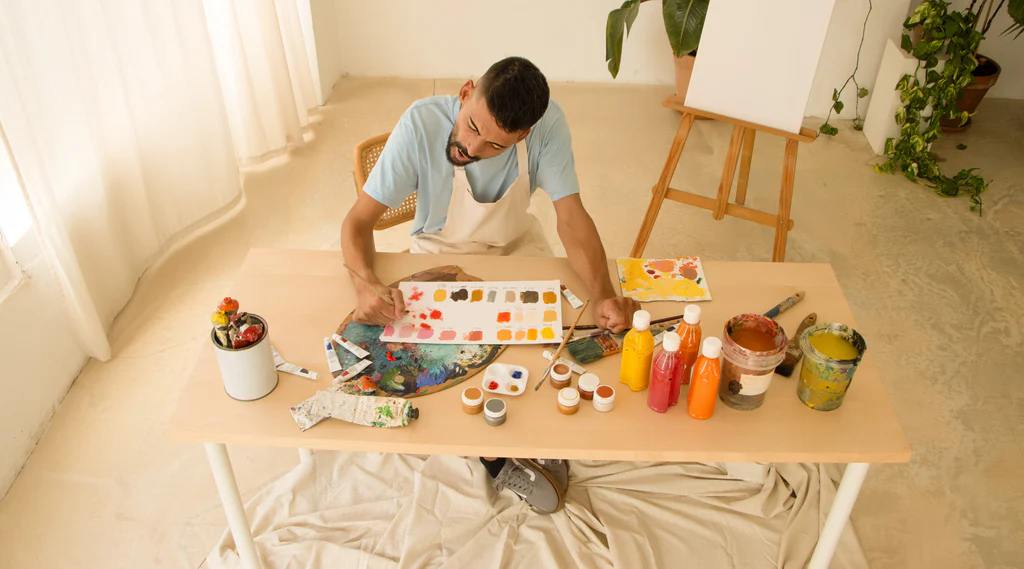
Recovery from addiction is a journey that goes far beyond stopping substance use. It requires emotional exploration, rebuilding self-worth, and developing healthier ways to cope with stress and triggers. While counseling, medical care, and structured treatment programs are essential, creative therapies such as drawing and painting provide a powerful path toward emotional healing. Art therapy offers individuals a safe and constructive way to process feelings, reduce anxiety, and reconnect with themselves. At Varley Grace, we integrate art-based therapies into our holistic, faith-based, and individualized programs to support long-term recovery and mental wellness.
Understanding Art Therapy in Addiction Recovery
Art therapy is a therapeutic approach that uses creative expression to support emotional, psychological, and spiritual healing. Many people in recovery struggle to articulate feelings such as guilt, shame, or grief. Drawing and painting provide a nonverbal outlet for these emotions, making it easier to explore and process them in a safe, structured environment.
How Drawing and Painting Support Mental Wellness
Engaging in creative activities offers multiple benefits for individuals navigating addiction and mental health challenges:
- Emotional expression: Art allows clients to release emotions that may be difficult to express verbally.
- Stress relief and mindfulness: Focusing on colors, shapes, and brushstrokes encourages present-moment awareness, which reduces anxiety.
- Self-reflection: Artistic creation often reveals subconscious patterns, triggers, and personal growth areas.
- Confidence and accomplishment: Completing a piece of art fosters a sense of achievement and reinforces self-esteem.
These benefits help clients build emotional resilience and strengthen their coping strategies, complementing traditional therapies.
Integrating Art Therapy into Holistic and Individualized Care
Varley Grace offers both inpatient and outpatient programs tailored to each client’s unique needs. Art therapy is integrated into these programs alongside mental health counseling, medical support, and faith-based practices. This combination ensures that creative expression enhances overall recovery by helping individuals process emotions, reflect on experiences, and build healthier habits.
Practical Ways to Use Art in Recovery
Art therapy can be implemented during structured sessions or incorporated into daily life. Some practical approaches include:
- Art journaling: Use drawing or painting to document emotions, milestones, and reflections.
- Guided exercises: Focus on themes like resilience, hope, or gratitude to reinforce positive mental health patterns.
- Group art therapy: Participate in collaborative creative sessions to build connection, reduce isolation, and share experiences safely.
- Mindful creative practices: Use simple drawing or painting exercises to calm the mind and manage stress during challenging moments.
Regular engagement with art supports emotional stability, self-discovery, and long-term recovery.
Rebuilding Identity Through Creative Expression
Addiction often erodes a person’s sense of self. Many individuals in recovery struggle to reconnect with their identity beyond substance use. Art therapy helps restore this connection by highlighting personal strengths, talents, and growth. Each completed artwork becomes a tangible reminder of progress, resilience, and the ability to create positive change.
Take the First Step Toward Healing Through Art
Drawing and painting are more than hobbies; they are effective therapeutic tools that support emotional healing, mental wellness, and lasting sobriety. At Varley Grace, we combine art therapy with individualized, holistic treatment to empower clients on their recovery journey. Creative expression helps process emotions, reduce stress, and rebuild self-identity, offering a meaningful complement to traditional therapies. Reach out today to discover how art therapy can become a vital part of your healing journey and help you take the first step toward lasting recovery.