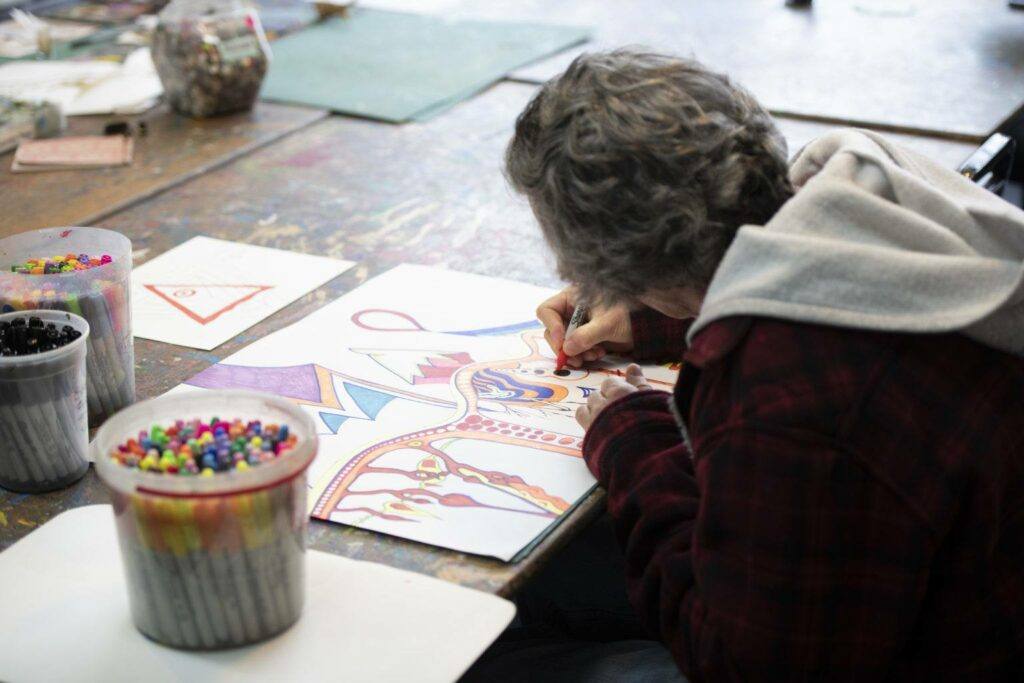
Recovery from addiction and mental health challenges is a complex journey that involves more than therapy sessions and medical support. Healing requires emotional exploration, stress management, and a safe way to process difficult experiences. Creative expression through art, particularly drawing and painting, has emerged as a valuable tool in supporting mental wellness and addiction treatment. At Varley Grace, we integrate art therapy into individualized, holistic, and faith-based programs to help clients rebuild emotional balance, resilience, and self-worth.
Understanding Art Therapy in Recovery
Art therapy is a therapeutic approach that uses creative processes to support emotional, psychological, and spiritual healing. Unlike traditional talk therapy, art therapy allows individuals to communicate thoughts and emotions nonverbally. This can be especially beneficial for people who struggle to articulate feelings related to trauma, guilt, or anxiety. Drawing and painting provide a safe outlet for self-expression and a constructive way to process complex emotions.
How Art Supports Emotional Health
Engaging in creative activities helps restore emotional balance and strengthens coping skills. Some key benefits include:
- Emotional expression: Art allows individuals to safely release feelings that may be difficult to voice.
- Mindfulness and stress relief: Focusing on creative tasks encourages present-moment awareness, which reduces anxiety and promotes calm.
- Self-reflection and insight: Artistic expression often reveals patterns, triggers, and personal growth areas that support recovery goals.
- Confidence building: Completing a piece of art fosters a sense of accomplishment, reinforcing self-esteem and self-efficacy.
These benefits make art therapy a powerful complement to traditional treatment methods for mental health and addiction recovery.
Integrating Art Therapy into Holistic and Individualized Care
Varley Grace provides both inpatient and outpatient programs tailored to each individual’s needs. Art therapy is seamlessly incorporated alongside mental health counseling, medical care, and faith-based support. This integration ensures that creative expression enhances overall treatment by fostering emotional resilience, self-awareness, and coping strategies.
Practical Ways to Incorporate Art in Recovery
Art therapy can be practiced in structured sessions or integrated into daily routines. Some effective strategies include:
- Art journaling: Use sketches, paintings, or mixed media to reflect on emotions, experiences, and personal growth.
- Themed exercises: Focus on recovery milestones, gratitude, or resilience to reinforce positive mental health patterns.
- Group art sessions: Participate in guided creative activities to foster connection, reduce isolation, and share experiences safely.
- Mindful creative practices: Engage in simple drawing or painting exercises to manage stress or calm the mind during challenging moments.
These approaches help clients continue the therapeutic benefits of art outside formal sessions and maintain emotional balance between treatments.
Supporting Long-Term Recovery and Mental Wellness
Art therapy is more than a temporary activity. Regular creative engagement supports long-term emotional regulation, strengthens resilience against triggers, and promotes self-discovery. When combined with Varley Grace’s comprehensive programs, art therapy contributes to sustainable recovery and improved mental health outcomes. Clients gain practical tools to navigate stress, reinforce personal growth, and maintain a sense of identity beyond addiction.
Take the First Step Toward Healing Through Art
Creative expression offers a compassionate and effective way to support mental health and addiction recovery. Drawing and painting provide outlets for emotional release, mindfulness, and self-reflection, enhancing the benefits of traditional therapy. At Varley Grace, we are committed to individualized, holistic care that empowers clients to rebuild their lives. Reach out today to learn how art therapy can become a valuable part of your recovery journey and help you achieve lasting emotional wellness and sobriety.